Best Jib Hoist Crane Options for Global Buyers?
In the construction and manufacturing industries, the Jib Hoist Crane plays a vital role. These cranes provide flexible lifting solutions in tight spaces. Their design allows for enhanced maneuverability, making tasks more efficient.
Global buyers face many choices when selecting a Jib Hoist Crane. The variety of brands and models can be overwhelming. Understanding the different features of each crane helps buyers make informed decisions. Reliability and durability are key factors in choosing the right crane.
However, it's essential to recognize potential shortcomings in available options. Some Jib Hoist Cranes may not have adequate load capacities for specific tasks. Buyers should consider their unique project needs carefully. Prioritizing quality and performance can lead to better long-term investments.
Overview of Jib Hoist Cranes and Their Applications
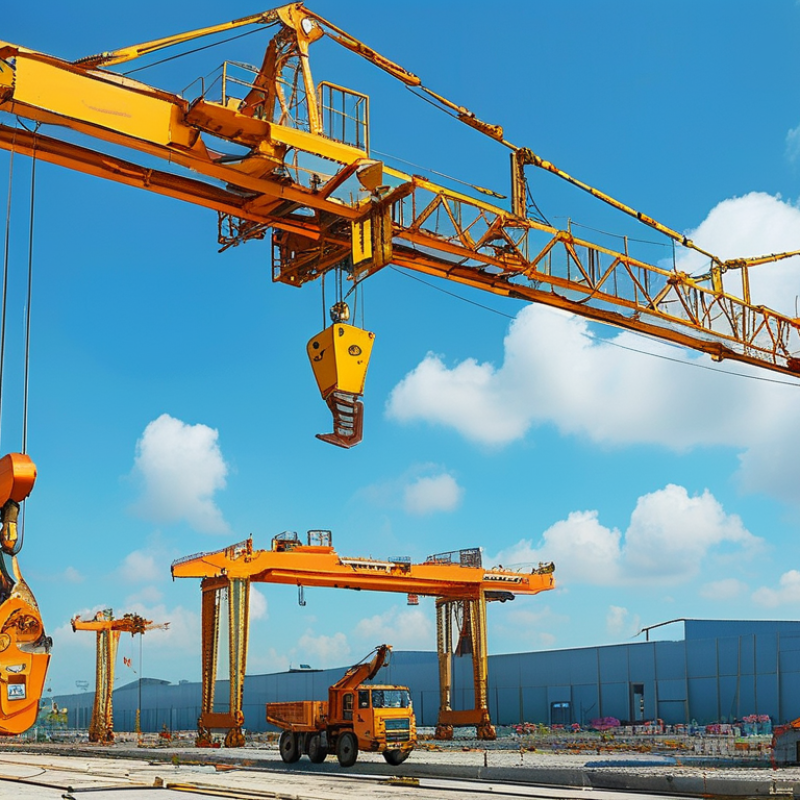
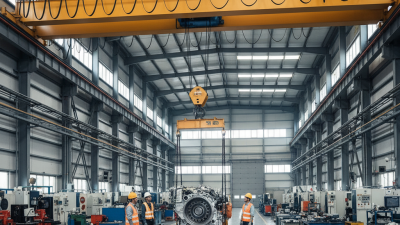
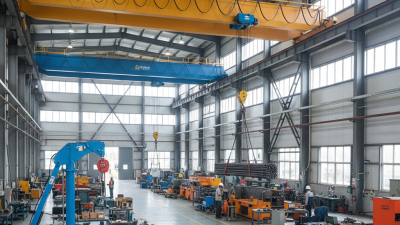
Jib hoist cranes are essential for various industries. They facilitate lifting and moving materials efficiently in limited spaces. Whether in warehouses, construction sites, or manufacturing plants, these cranes improve operational workflows significantly. Understanding their applications is key for global buyers seeking effective solutions.
Jib hoist cranes can handle various loads, from lighter equipment to heavier materials. The flexibility of their design allows for mounting in multiple configurations. This adaptability ensures they can be used in tight spots or elevated areas. Choose a crane that suits your specific needs.
Tips: Always assess the weight capacity required for your tasks. Consider the height and reach too. A poorly chosen crane may lead to inefficiencies. Regular maintenance is crucial. It ensures safety and reliability in operations.
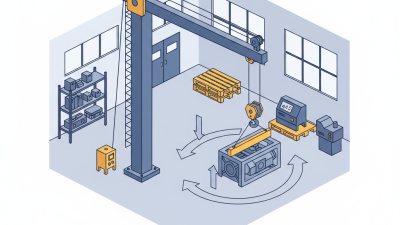
For those new to this equipment, understanding the basic components is vital. Common parts include the base, mast, arm, and hoist. Each element plays a role in the overall functionality of the crane. Knowing these components helps in making informed purchasing decisions. Always prioritize quality over cost in your selection process.
Key Factors to Consider When Selecting a Jib Hoist Crane
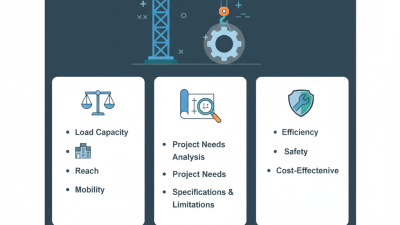
When selecting a jib hoist crane, understanding your specific needs is crucial. The type of materials you will lift plays a significant role. Consider weight limits and balance requirements. Certain projects may require lifting heavy loads, while others might focus on precision and agility. Ensuring that the crane can handle these specifications is vital for safe operations.
Another important factor is the height and reach required for your application. Different environments may have unique challenges, such as overhead obstructions or limited space. Measuring the available clearance helps prevent miscalculations. Don't overlook the ease of operation. A user-friendly crane simplifies training and enhances productivity. If operators struggle, it can lead to inefficiencies.
Finally, think about maintenance and support services. A reliable jib hoist crane should come with accessible parts and technical assistance. Frequent maintenance can prevent costly downtimes. Reflect on your budget, as investment in quality often pays off. Skimping now might lead to bigger problems later. Always seek information from credible sources to guide your decisions.
Best Jib Hoist Crane Options for Global Buyers
The chart above represents key factors to consider when selecting a Jib Hoist Crane. Data includes lifting capacity, maximum height, useful features, average price range, and expected durability.
Top Jib Hoist Crane Brands and Models in the Global Market
When considering the best jib hoist crane options, it’s important to look at key brands and models. The global market features a wide range of choices. Some brands focus on durability. Others emphasize innovative designs. Quality and efficiency vary.
Many buyers prioritize lifting capacity. Some cranes handle loads of several tons, while others are designed for lighter tasks. User-friendly controls are crucial too. These features can enhance safety and productivity. Regular maintenance is essential, yet many overlook it. This can lead to unexpected downtime.
Research indicates brand reputation matters. Buyers often rely on reviews from seasoned professionals. Feedback from users provides insights into reliability. However, not all models perform as advertised. Decision-makers should weigh options carefully. Assessing specific needs first can prevent costly mistakes. Reliable sources and case studies help in understanding performance trends.
Comparative Analysis of Jib Hoist Crane Pricing and Features
When considering jib hoist cranes, pricing and features are crucial for global buyers. Industry reports indicate that the average price range for jib hoist cranes varies significantly. Basic models can start around $1,500, while more advanced systems can exceed $10,000. Factors affecting pricing include load capacity, reach, and additional features.
Features such as electric versus manual operation also play a role in pricing. Electric jib hoists tend to be more expensive due to their advanced technology and higher lifting speeds. A report from the Global Cranes Market Analysis suggests that electric models have gained traction, showing a year-on-year growth of 8%. Buyers must evaluate whether increased productivity aligns with their budget.
In addition to cost, safety features are essential. Many cranes now come with overload protection and emergency stop functions. Yet, not all models prioritize these safeguards. A closer inspection often reveals discrepancies in safety compliance across different brands. Each buyer's needs vary, and crucial decisions must be based on careful consideration and research.
Safety Standards and Regulations for Jib Hoist Cranes Worldwide
When considering Jib hoist cranes, safety standards play a crucial role. Compliance with regulations ensures the equipment functions safely and effectively. Different countries impose varying safety requirements. For example, in Europe, EN standards dictate the construction and maintenance of cranes. In the U.S., OSHA regulations are essential to protect workers from hazards. Buyers should verify that the chosen hoist crane meets these criteria.
Tips: Always check the manufacturer's certifications. Ensure the crane has passed relevant safety tests. It's also wise to consult local regulations. Understanding your region's legal requirements can prevent costly mistakes.
Moreover, training for operators is vital. Proper training minimizes accidents. Operators should be familiar with the crane's operating manual. A lack of knowledge can lead to misuse, which may result in severe injuries. Regular maintenance checks are equally important. A well-maintained crane reduces accident risks and enhances its lifespan.
Tips: Schedule routine inspections. Look for signs of wear and tear. Addressing issues early can save time and money. Safety is not just a guideline; it’s a commitment to everyone involved.