China Best Motorised Jib Crane Types and Their Key Features?
The demand for Motorised Jib Cranes in China is on the rise, driven by advancements in technology and automation. These cranes offer versatility and efficiency in industrial applications. Industry expert Dr. Li Wei once said, "Motorised Jib Cranes revolutionize material handling, enhancing productivity while reducing manual labor."
As we delve into the various types of Motorised Jib Cranes available, it is essential to understand their key features. Each type caters to specific needs, from load capacities to operational reach. For instance, some models excel in tight spaces, while others boast higher lifting capacities for heavy materials. The technical details matter, as they directly impact performance and safety.
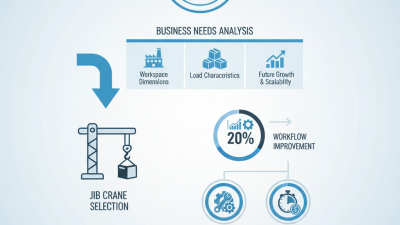
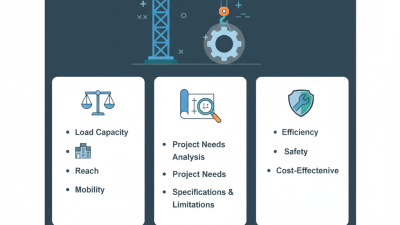
Despite their benefits, the selection of the right Motorised Jib Crane can be overwhelming. It requires careful consideration of factors such as application requirements and budget constraints. Understanding the nuances of different models can prevent costly mistakes. This exploration aims to clarify these complexities and provide insights into the best Motorised Jib Crane types suitable for various industrial settings.
Types of Motorised Jib Cranes Available in China
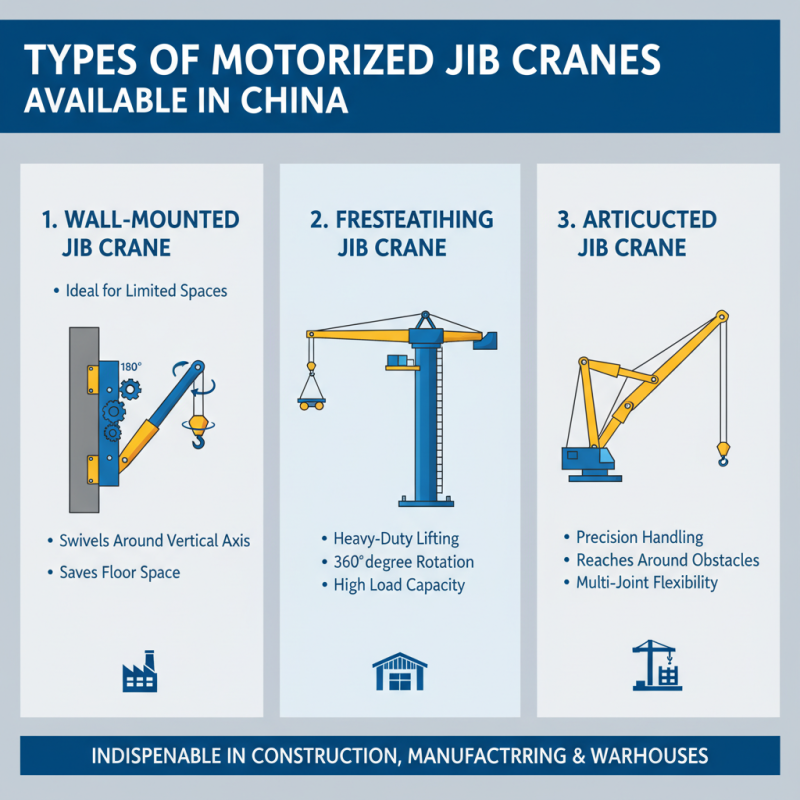
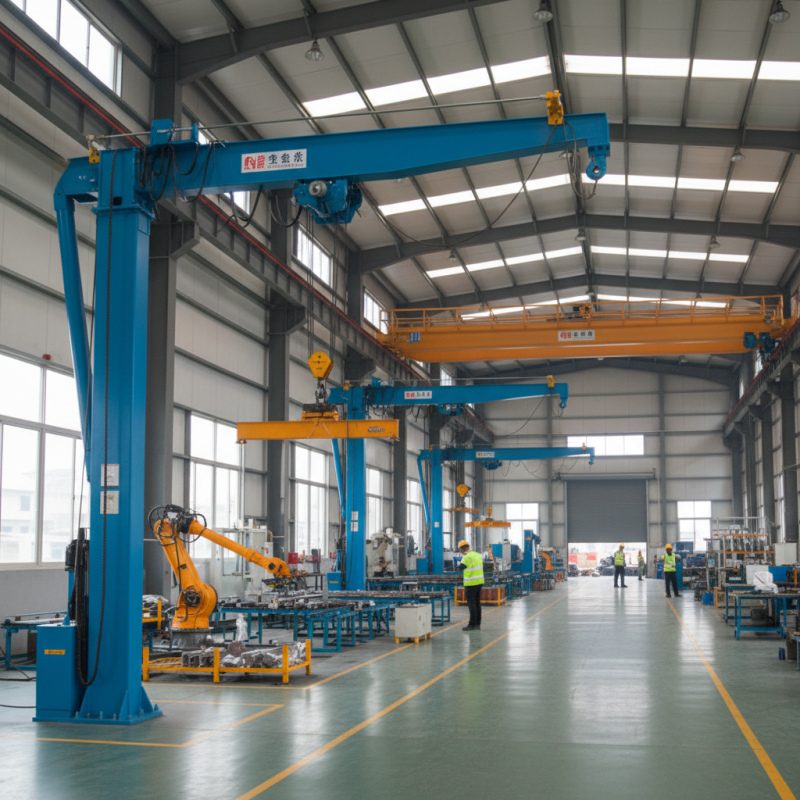
China offers a variety of motorised jib cranes, each designed for specific applications. These cranes are indispensable in construction, manufacturing, and warehouses. One popular type is the wall-mounted jib crane, which is ideal for limited spaces. This crane can swivel around a vertical axis, providing operators with flexibility. It saves floor space while maximizing lifting efficiency.
Another common variant is the free-standing jib crane. This crane stands independently and can be placed anywhere within the operational area. Its rotating arm allows for a significant range of motion. Operators appreciate this type for its stability and ease of use. It can lift heavy materials without requiring a complex setup.
While there are many options, not all cranes are equal. Some may lack necessary safety features or may not be suitable for heavy loads. Operators must assess their specific needs and ensure compliance with safety standards. It's crucial to consider the weight capacity and the environment where the crane will operate. A well-chosen jib crane can enhance productivity and safety in any workspace.
Key Features and Specifications of Jib Cranes
Jib cranes are essential in various industries, providing efficient lifting solutions. Their design allows for easy maneuverability and optimal space utilization. Key features of jib cranes include their rotation, lifting capacity, and height adjustments. These factors significantly impact their performance in real-world applications.
The lifting capacity of jib cranes can range from 250 kg to over 5 tons. This versatility allows businesses to select models tailored to specific load requirements. Moreover, a typical jib crane can achieve a rotation range of 180 to 360 degrees. This ability enhances productivity by enabling precise positioning of loads without the need for extensive movement of the crane itself.
Jib cranes also differ in terms of mounting options. They can be wall-mounted or freestanding, depending on the operational needs of a facility. This flexibility in installation is crucial for maximizing workflow efficiency. However, in practice, some facilities may underutilize their jib cranes due to placement issues. It is worth reflecting on how the correct installation and training can make a significant difference. Effective use can lead to increased safety and reduced operational downtime.
Applications of Motorised Jib Cranes in Various Industries
Motorised jib cranes play a crucial role across various industries. Their design allows for effective lifting and moving of materials in confined spaces. In construction, these cranes are often used to lift heavy loads to specific heights, significantly reducing the manual labor needed. According to a recent industry report, 65% of contractors reported increased efficiency when integrating motorised jib cranes into their workflows. This efficiency can lead to faster project completion times and lower overall costs.
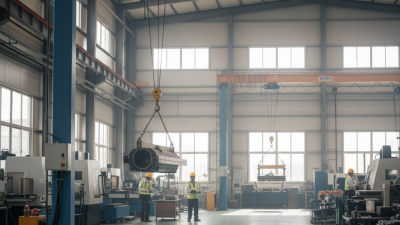
In manufacturing, motorised jib cranes are invaluable. They streamline the process of moving components between workstations. A study from the Manufacturing Institute shows that companies utilizing these cranes have seen a 30% decrease in workplace injuries. This is essential for maintaining a safe working environment. Moreover, their versatility means they can be adjusted for various tasks, making them suitable for different production lines.
The logistics sector also benefits from motorised jib cranes. They help in loading and unloading goods from trucks and containers. However, challenges remain. Not all facilities have the proper infrastructure to employ these cranes effectively. Some sites lack adequate space, which can limit their usage. This emphasizes the importance of proper planning and integration in existing operations.
China Best Motorised Jib Crane Types and Their Key Features
| Crane Type |
Load Capacity (ton) |
Arm Length (m) |
Power (kW) |
Key Features |
Applications |
| Standard Motorised Jib Crane |
1-5 |
2-8 |
0.5-2.5 |
Easy installation, adjustable arm angle |
Manufacturing, Warehousing |
| Articulating Jib Crane |
0.5-3 |
1.5-5 |
0.25-1.5 |
Flexible arm movement, space-saving design |
Automotive, Aircraft Handling |
| Heavy-Duty Jib Crane |
5-20 |
5-12 |
2.5-7.5 |
Robust design, high durability |
Construction, Steel Fabrication |
| Wall-Mounted Jib Crane |
0.5-2 |
1-4 |
0.5-1.5 |
Space-efficient, simple operation |
Light Assembly, Maintenance |
Benefits of Using Motorised Jib Cranes for Lifting Operations
Motorised jib cranes offer numerous benefits for lifting operations across various industries. Their flexibility stands out. These cranes can rotate and lift loads with ease, allowing for efficient movement in tight spaces. This is especially useful in warehouses where available space is limited. The enhanced mobility simplifies tasks and reduces the need for multiple cranes or extensive manual labor.
Moreover, employing motorised jib cranes significantly boosts productivity. With automated lifting, workers can focus on other critical tasks. This reduces the time spent on moving heavy materials. Additionally, the precise control offered by motorised systems minimizes the risk of accidents.
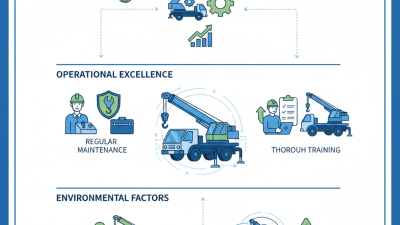
Yet, one must reflect on the importance of training. Even with advanced technology, operator expertise is crucial to avoid mishaps.
Another noteworthy aspect is the adaptability of these cranes to various applications. They are designed for different weight capacities and heights. However, the selection process can be overwhelming. Companies must carefully consider their specific needs. Evaluating load weights and working environment is essential.
Sometimes, businesses may overlook the importance of regular maintenance. A neglected crane can lead to operational inefficiencies and safety hazards.
Factors to Consider When Choosing a Motorised Jib Crane
When selecting a motorised jib crane, several key factors come into play. One vital consideration is the load capacity. Cranes can handle anywhere from 100 to 5,000 kg. Knowledge of your lifting needs helps specify the right model. Choosing a crane with a capacity higher than necessary can lead to unnecessary costs. Conversely, underestimating the requirement can result in unsafe operations.
Another important aspect is the reach of the crane. Most jib cranes have a span of 2 to 10 meters. The design should match your workspace dimensions. An incorrect span can limit maneuverability and efficiency. It’s essential to ensure that the crane fits well within the operational area, avoiding awkward positions during lifting tasks.
Durability and material of the crane also matter significantly. Heavy-duty steel is often preferred for its strength. However, the weight can impact the ease of mobility. This balance is crucial. According to industry reports, cranes with advanced features like electric trolleys can improve safety and efficiency, making them suitable for various environments. Remember such features can add to the cost, so users must assess their necessity carefully before finalizing a choice.