Why Choose a Pivot Crane for Your Material Handling Needs?
In today’s fast-paced industrial world, selecting the right equipment is crucial. A Pivot Crane stands out for its versatility and efficiency in material handling. This type of crane can maneuver heavy loads with ease. Its swivel design allows for precise movements in tight spaces. For companies, this means reduced risk of damage to goods and surrounding structures.
Using a Pivot Crane can streamline operations significantly. Workers can position materials accurately without excessive manual effort. However, it’s not a one-size-fits-all solution. Some may overlook its limitations. Maintenance needs and initial costs can be substantial. Reflection on these factors is essential before making a decision.
Ultimately, the benefits of a Pivot Crane often outweigh the drawbacks. Efficient handling can save time and resources. Still, a careful assessment is vital to ensure it aligns with specific operational needs. Choosing wisely can lead to smoother workflows and better productivity.
Understanding Pivot Cranes: An Overview of Their Functionality
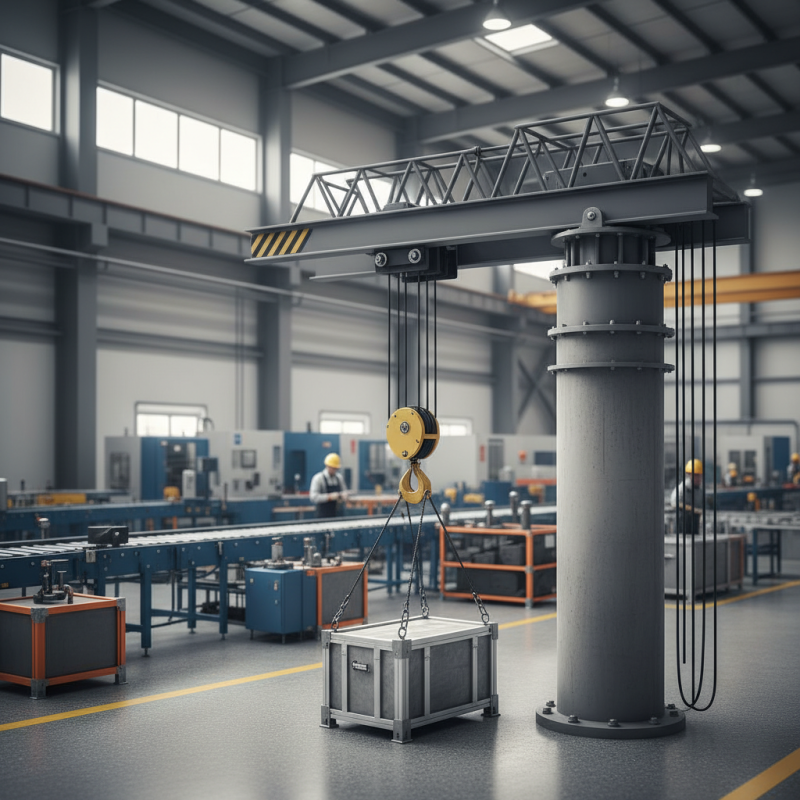
Pivot cranes stand out in material handling due to their unique design and functionality. These cranes have a rotating base that allows for increased maneuverability in tight spaces. The pivoting action enables operators to move heavy loads efficiently. This versatility makes pivot cranes ideal for warehouses and construction sites where space is limited.
An effective pivot crane can lift and move materials with precision. Its ability to turn in small radiuses saves valuable time and reduces the risk of accidents. Operators need to focus on load stability during operations. Mistakes can lead to hazardous situations. Proper training is essential. However, some may underestimate the importance of regular maintenance. A well-maintained crane performs better, ensuring safety and reliability. Despite their advantages, users should always evaluate specific project needs before choosing a pivot crane.
Advantages of Pivot Cranes in Material Handling Operations
Pivot cranes offer unique advantages in material handling. Their design allows for efficient use of space. Unlike standard cranes, pivot cranes can rotate loads with greater ease. This flexibility can lead to reduced operational time, which is crucial in busy warehouses.
Data from industry reports indicate that pivot cranes can decrease the time spent on material handling tasks by up to 30%. This efficiency is significant for companies aiming to enhance productivity. Additionally, they can handle loads in confined areas where traditional cranes struggle. However, operational training is essential. Improper handling can lead to accidents.
Moreover, pivot cranes often have lower maintenance costs. Their simpler mechanical design typically results in fewer breakdowns. Industry studies reveal that organizations save about 15% on maintenance over five years when using pivot cranes. Yet, this potential may not offset the initial investment for every company. Regular assessments should be made to ensure that the pivot crane remains the best option for the specific needs of the operation.
Comparing Pivot Cranes with Other Types of Cranes
Pivot cranes stand out in the material handling industry for their versatility. Unlike tower cranes, which have fixed vertical reach, pivot cranes can rotate and extend to various angles. This feature makes them ideal for tight spaces. Many businesses find that a pivot crane can reach areas a tower crane simply cannot. The flexibility in their operation allows for more efficient loading and unloading.
When comparing pivot cranes to gantry cranes, the differences in mobility become apparent. Gantry cranes are stable but limited to fixed tracks. A pivot crane, however, can navigate around obstacles. This movement is crucial in dynamic work environments. However, with increased mobility comes a need for careful planning. Operators must be aware of their surroundings to avoid accidents.
Even with their advantages, pivot cranes can present challenges. They may require more operator training to handle effectively. Additionally, their initial cost can be higher than some alternatives. Deliberate consideration is necessary to determine if the benefits outweigh these potential drawbacks. In the end, choosing the right crane is a complex decision that requires thoughtful analysis.
Key Factors to Consider When Choosing a Pivot Crane
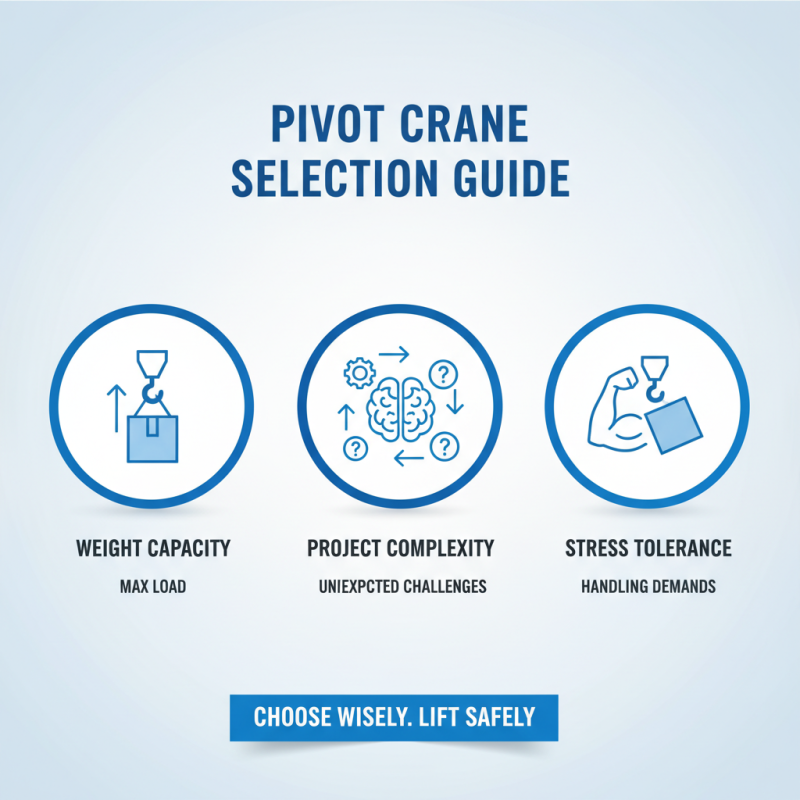
When selecting a pivot crane, several factors deserve careful consideration. The weight capacity is crucial. Understand the maximum load the crane must lift. Many projects face unexpected challenges with weight management. It’s essential to ensure the crane can handle these demands without stress.
Space constraints are also vital. Measure the area where the crane will operate. A compact design may be necessary for tight spaces. However, sacrificing stability can lead to disaster. Look for models that balance size, capability, and safety. Ergonomics is important, too. Operators should feel comfortable and secure while working.
Lastly, maintenance should not be overlooked. A crane might require frequent checks to ensure stability and efficiency. Neglecting this can cause operational issues. Regularly reviewed maintenance schedules can help avoid surprises. These considerations can guide informed decisions. Ensure the crane you choose aligns with both project needs and safety standards.
Applications of Pivot Cranes Across Different Industries
Pivot cranes are invaluable in various industries due to their versatility. In construction, they lift heavy materials with precision. They can reach high altitudes and maneuver around obstacles. This capability is crucial on busy job sites.
In manufacturing, the need for efficiency drives the use of pivot cranes. They easily transport components across factory floors. These cranes help reduce manual labor. Workers can focus on more complex tasks. Yet, with increasing automation, integration remains a challenge.
Additionally, in the shipping industry, pivot cranes are essential for loading and unloading cargo. They ensure fast turnaround times at docks. However, the reliance on such cranes raises questions about maintenance. Regular checks are vital to prevent downtime. In these varied applications, pivot cranes prove to be a crucial link in the material handling chain.