Why Choose a Single Girder Overhead Crane for Your Business?
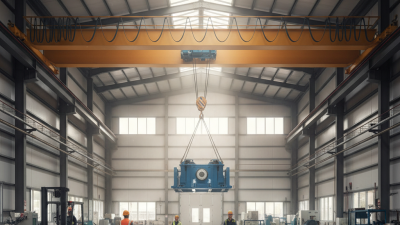
When considering lifting solutions, many businesses face a crucial choice. Selecting the right equipment can significantly impact efficiency and safety. Among various options, a Single Girder Overhead Crane stands out as a viable choice for many industries. This innovative equipment is designed for various applications, making it essential for operations that require heavy lifting.
Choosing a Single Girder Overhead Crane can enhance your workflow. It features a lightweight design, which allows for quick installations and reduces building costs. This crane type is ideal for smaller spaces, fitting seamlessly into warehouses and factories. Moreover, its lower maintenance needs can contribute to reduced operational expenses.
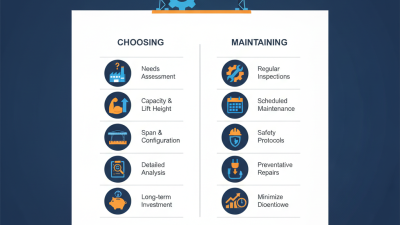
However, it's essential to reflect on specific requirements before making a decision. While the Single Girder Overhead Crane offers advantages, it may not suit all heavy-duty operations. Organizations with diverse lifting needs should evaluate their long-term goals. The effectiveness of this solution must align with your unique operational demands.
Benefits of Using a Single Girder Overhead Crane in Industrial Settings
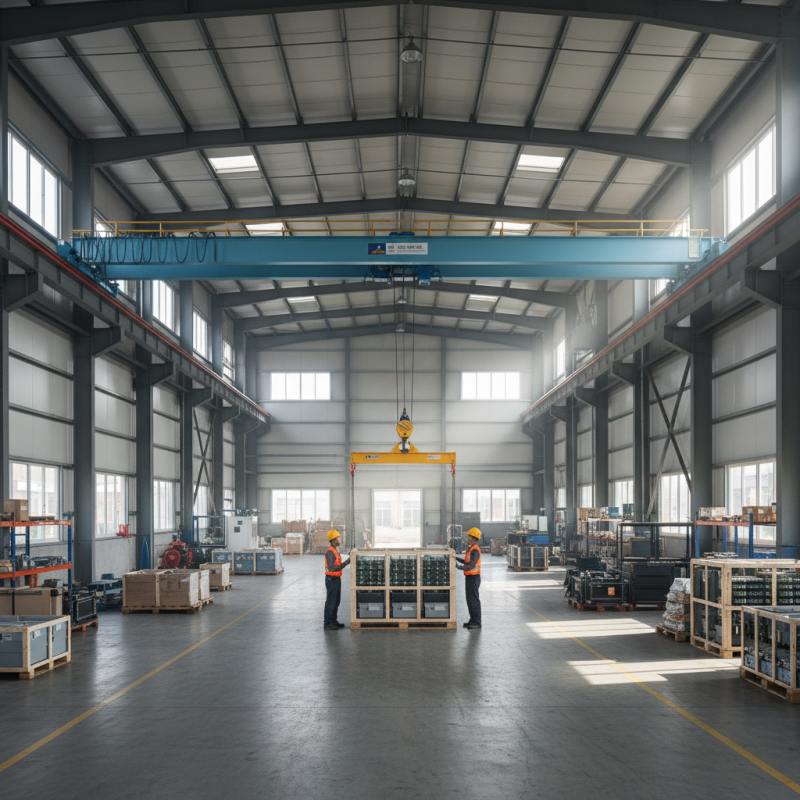
A single girder overhead crane is an excellent choice for many industrial settings. It is designed for efficiency and simplicity. Businesses often utilize these cranes for lighter loads. With a well-structured frame, they can operate smoothly without taking too much space. This design is particularly beneficial in areas with height restrictions.
One important advantage is safety. The overhead crane minimizes the risk of accidents in busy work environments. Operators have clear visibility of their surroundings. Adjustability and ease of use are also key features. Workers can easily control the crane's movements. This reduces the chance of handling errors and potential injuries.
However, businesses must consider their specific needs. Not all tasks are ideal for a single girder crane. There might be limitations in heavy lifting capacity. Businesses should assess the weight requirements of their operations. Maintenance needs should not be overlooked either. Regular check-ups are essential to ensure smooth functioning. The balance of benefits and challenges requires careful thought.
Comparison of Single Girder vs. Double Girder Overhead Cranes
When deciding between single girder and double girder overhead cranes, consider your specific needs. Single girder cranes typically offer a lighter structure and lower cost. They are ideal for smaller spaces and lower lifting capacities. These cranes require less headroom, making them suitable for warehouses with limited vertical space. A single girder model is often easier to install and maintain.
On the other hand, double girder cranes excel in heavy lifting scenarios. They provide greater load capacity and stability. However, they also need more space. This can be a drawback in certain facilities. The additional cost is a factor too. For smaller businesses or projects, this expense may not be justified.
It’s essential to assess your operation's scale carefully. A single girder crane might not be powerful enough for large-scale tasks. Yet, if your lifting needs are modest, it can be a smart choice. Remember, what works for one business may not work for another. Each option has its pros and cons. It’s crucial to reflect on your specific requirements before making a decision.
Cost-Effectiveness of Single Girder Overhead Cranes for Businesses
Single girder overhead cranes are often more cost-effective than their double girder counterparts. They require less material, which lowers initial costs. This design is lighter and more efficient. As a result, many businesses opt for single girder cranes to minimize expenses.
When considering a crane, keep in mind maintenance costs. A simpler design typically leads to less wear and tear. This means fewer repairs and longer lifespans. In some cases, operational costs can be surprisingly high. Evaluate how frequently you will use the crane to gauge cost efficiency.
**Tip:** Ensure your space can accommodate the crane's height. A well-fitted crane can enhance workflow. Allow for extra space around the crane to prevent accidents. Always seek professional advice for installation to avoid future issues. Balancing costs and functionality is key.
Space Efficiency: Advantages of Single Girder Overhead Cranes
When considering space efficiency, single girder overhead cranes stand out in industrial settings. Their design allows for maximum lifting capacity while minimizing the required space. In fact, the lifting capacity typically ranges from 1 to 10 tons. This lightweight structure makes them less intrusive in warehouse layouts compared to their double girder counterparts.
Moreover, a single girder crane can be installed in areas with low headroom. This can lead to substantial savings on facility construction costs. According to industry reports, businesses can save up to 20% on vertical space usage when switching to a single girder system. The reduced weight also means that installation can often be simpler and quicker, saving both time and money.
However, it’s critical to assess the specific needs of your operations. The limitation in lifting capacity may not meet every company’s demands. Careful evaluation is necessary to ensure efficiency and safety. An ill-suited crane can disrupt workflows and lead to operational inefficiencies. Ultimately, each business must weigh these factors carefully before making a decision.
Common Applications for Single Girder Overhead Cranes in Various Industries
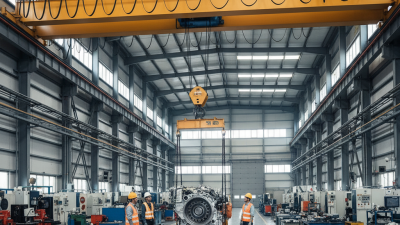
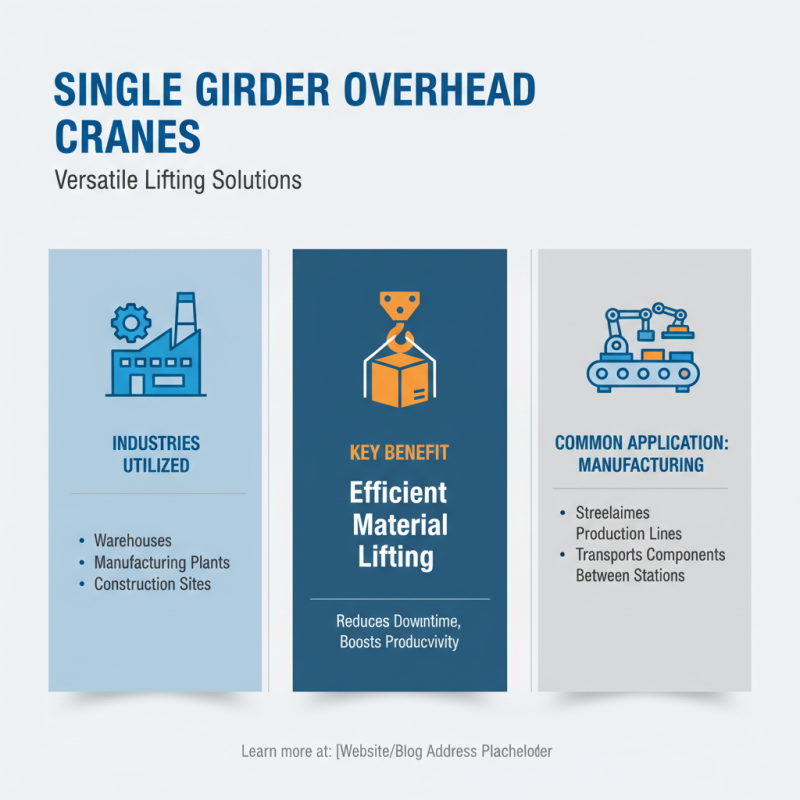
Single girder overhead cranes are versatile tools used in various industries. They are ideal for lifting heavy materials efficiently in warehouses, manufacturing plants, and construction sites. One common application is in manufacturing. These cranes streamline production lines by transporting components quickly between stations. It reduces downtime and enhances overall productivity.
In the construction sector, these cranes are invaluable. They help lift steel beams, concrete blocks, and other heavy materials. Their design allows for high lifting capacities while maintaining a lightweight structure. This balance makes them suitable for tight spaces, which often occur at construction sites. While they offer many advantages, some businesses face challenges in their usage. For instance, safety training is essential, as improper handling can lead to accidents.
Logistics is another important application area. Single girder cranes assist in loading and unloading goods in warehouses. They increase operational efficiency and decrease labor costs. However, businesses need to evaluate their specific needs. Not every operation may benefit from a single girder design. Understanding these nuances can lead to better decision-making. Ultimately, assessing your unique requirements is crucial.