2026 How to Choose the Right Jib Hoist Crane for Your Project?
Choosing the right Jib Hoist Crane for your project is crucial. Experts emphasize that this equipment plays a significant role in enhancing efficiency and safety in construction sites. According to a recent industry report by the Construction Equipment Association, the global market for Jib Hoist Cranes is expected to grow by over 25% by 2026.
Industry expert John Davison states, “Selecting the right Jib Hoist Crane can drastically improve project outcomes.” This highlights the importance of making informed decisions. Factors such as load capacity, reach, and mobility should be carefully evaluated. It's not just about picking the most expensive option; sometimes, the best fit might be more economical.
Understanding the specifications and potential limitations is equally important. Often, companies overlook their unique project needs. A poorly chosen Jib Hoist Crane can lead to delays and increased costs. It's essential to reflect on these aspects thoroughly. Ultimately, the effectiveness of your project may depend on the decisions made during the equipment selection process.

Understanding Jib Hoist Cranes: Definition and Applications
Jib hoist cranes are versatile tools used in various industries. They provide lifting capabilities in tight spaces where traditional cranes cannot operate efficiently. These cranes are prevalent in construction, manufacturing, and logistics. According to a recent report by the Crane Association, jib cranes account for over 25% of the lifting equipment market due to their flexibility and ease of use.
Understanding the definition and applications of jib hoist cranes is crucial. These cranes are typically mounted on walls or floors, allowing for 360-degree rotation. They are ideal for moving materials short distances, especially in warehouses. Data indicates that a well-placed jib crane can improve workflow efficiency by up to 40%. However, choosing the correct model can be challenging. Different projects require varying lifting capacities and reach.
Many users overlook the importance of the crane's weight tolerance. Safety factors are often misjudged, leading to potential overload risks. The Crane Safety Report emphasizes that inadequate assessments can result in accidents. Additionally, users must reflect on the power source for the crane, whether electrical or manual. It impacts operational costs and efficiency significantly.
Key Factors to Consider When Choosing a Jib Hoist Crane
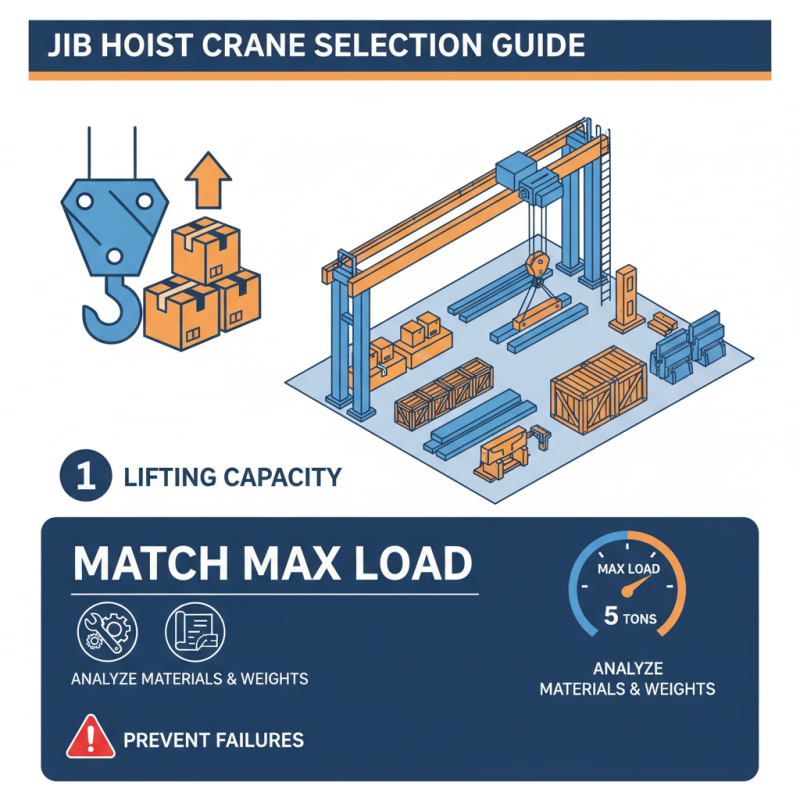
Choosing the right jib hoist crane is crucial for your project’s success. Several key factors influence this decision. First, consider the lifting capacity. Ensure the crane can handle the maximum load you expect. This often means analyzing your materials and weights in detail. A crane that is too weak can lead to failures.
Next, think about the reach and swing of the jib. Different jobs may need varying types of reach. A limited swing might restrict movement, causing delays. This can affect your overall timeline. Inspect the available space where the crane will operate. Adequate clearance is necessary for efficient functioning.
Lastly, evaluate safety features. Consider if the crane has emergency stop functions and overload protection. These elements are critical for minimizing risks. A lack of safety measures can lead to accidents. The right jib hoist crane balances power and safety effectively, so it’s essential to weigh these aspects carefully.
Assessing Load Capacity and Reach Requirements for Your Project
When selecting a jib hoist crane for your project, assessing load capacity is crucial. Industry reports show that most projects require cranes capable of lifting between 500 to 5,000 pounds. Understanding your specific load needs helps narrow your options. Too often, companies overlook this, leading to equipment that can't handle the weight or causes safety issues.
Reach is another critical factor. Many projects demand cranes with a reach of at least 10 to 20 feet. However, exceeding this reach can compromise stability. A significant percentage of on-site failures stem from improper reach assessment. Avoiding such pitfalls requires diligence and careful planning. Using load charts can improve decisions, but they may not always provide a complete picture in real-world scenarios.
Sometimes, overestimating the required capacity and reach can lead to wasted resources. It's essential to balance needs with practical constraints. Assess your environment; obstacles can restrict the crane's effectiveness. Reflection on past projects can also guide your current decisions. Learning from previous mistakes is vital for future success.
2026 How to Choose the Right Jib Hoist Crane for Your Project? - Assessing Load Capacity and Reach Requirements for Your Project
| Parameter |
Description |
Value |
Unit |
| Max Load Capacity |
The maximum weight the crane can lift |
1000 |
kg |
| Jib Length |
The length of the jib arm |
5 |
m |
| Height of Lift |
The vertical distance the crane can lift |
3 |
m |
| Rotation Angle |
The degree to which the jib can rotate |
360 |
degrees |
| Power Source |
Type of power supplied to the crane |
Electric |
|
| Weight of Crane |
The total weight of the crane itself |
250 |
kg |
Comparing Different Types of Jib Hoist Cranes on the Market
When choosing a jib hoist crane, it's crucial to understand the types available. There are various models on the market, each designed for specific tasks. The most common types are fixed, adjustable, and portable jib cranes. Fixed cranes are installed at a permanent location, making them ideal for repetitive tasks. Adjustable cranes offer flexibility in height and reach. Portable cranes can be moved easily, suitable for varied project sites.
**Tips:** Consider the load capacity you need. You should evaluate the weight you plan to lift. Make sure the crane can handle it. Safety comes first. Think about how accessible the crane will be in tight spaces.
Different sectors may prefer specific features. For example, construction sites often need durable materials and greater reach. Manufacturing facilities might choose cranes with precise control systems. It's essential to assess the environmental conditions too. If you're working outdoors, ensure the crane is weather-resistant.
**Tips:** Regular maintenance is key. Check for wear and tear to avoid accidents. Always follow safety guidelines and training for operators. Make sure they are familiar with the equipment.
Maintenance and Safety Considerations for Jib Hoist Cranes
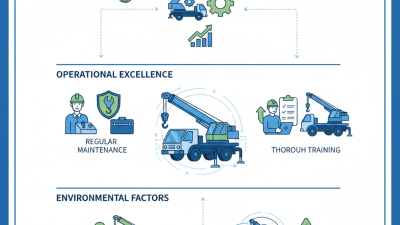
When operating a jib hoist crane, safety and maintenance are paramount. Regular inspections help to identify potential issues. Check the hooks, cables, and winches frequently. A worn cable can snap, leading to accidents. Always keep the work area clear of obstacles. This practice minimizes the risk of accidents.
Training is essential for all crane operators. They should be familiar with the machine's features. A lack of operator knowledge can lead to improper use. Understanding load limits is crucial. Overloading a crane can cause damage and injury. Keep safety gear accessible and ensure it's used effectively.
Maintenance routines should not be overlooked. Daily checks may seem tedious but are vital. Look for any unusual noises during operation. Addressing small issues immediately can prevent larger problems later. It’s easy to neglect such routines, but regular attention pays off. A well-maintained jib hoist crane can last longer and operate safely.
2026 Jib Hoist Crane Selection Factors