How to Choose the Right Girder Crane for Your Project?
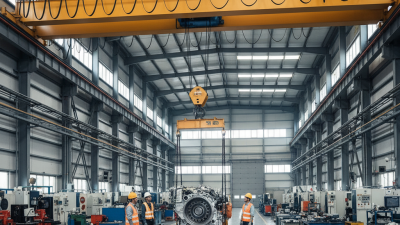
Choosing the right girder crane is vital for project success. These cranes are crucial for lifting heavy materials in construction and manufacturing. According to industry reports, the global crane market is expected to reach $50 billion by 2025. As projects become more complex, selecting the proper crane becomes increasingly important.
When evaluating girder cranes, consider factors like load capacity, span length, and operational environment. Each project has unique demands. For example, overhead cranes can provide efficiency in tight spaces but may not meet needs for larger loads. Experts recommend assessing project specifications carefully to avoid inefficiencies.
The process can be daunting. Many overlook the importance of consulting specifications or fail to consider future project expansion. A girder crane that fits today’s needs may not serve well down the line. Analyze both current and anticipated requirements. Only then can the right girder crane elevate your project to new heights.
Understanding the Different Types of Girder Cranes Available
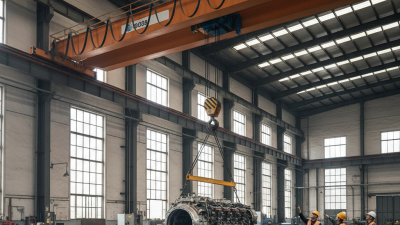
Choosing the right girder crane is crucial for any project. There are various types of girder cranes, each designed for specific needs. The two main types are single girder and double girder. Single girder cranes are more lightweight and economical. They suit smaller spaces and lighter loads.
Double girder cranes provide robustness for larger tasks. They can handle heavier weights and offer increased lifting heights.
When selecting a crane, consider the weight capacity. This decision impacts the project's efficiency. If the crane is undersized, it compromises safety and workflow. Conversely, an oversized crane can be costly and inefficient. Assess the load requirements thoroughly.
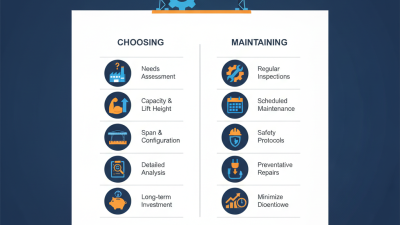
Tips: Measure your workspace. Ensure the crane fits without obstructions. Also, think about maintenance. Some crane types need more upkeep than others. Regular check-ups can prevent issues down the road. Lastly, consider your budget and long-term needs. A short-term purchase may lead to future expenses. Choose wisely!
Assessing Your Project's Specific Lifting Requirements
When selecting a girder crane, understanding specific lifting requirements is crucial. Consider the weight and dimensions of the loads to be lifted. For example, a study by the Industrial Truck Association highlights that 70% of crane accidents stem from improper load assessment. This statistic stresses the importance of precise evaluation to avoid mishaps.
Next, assess the lifting height needed for your project. Different projects demand varying heights, which impacts the type of girder crane required. Research indicates that 40% of users underestimate their height requirements, leading to last-minute adjustments. These adjustments can delay timelines and increase costs. It's important to clarify any site restrictions or height limitations before making a decision.
Additionally, think about the frequency of use. Frequent lifting may demand a more robust crane, while occasional use could allow for lighter models. The overhead crane market has shown a growth rate of 5% annually, with increased demand for specific designs tailored to user needs. Notably, mistakes often arise from overlooking these details, leading to project inefficiencies and budgeting issues.
How to Choose the Right Girder Crane for Your Project? - Assessing Your Project's Specific Lifting Requirements
| Lifting Capacity (Tons) |
Span (Feet) |
Lift Height (Feet) |
Usage Environment |
Power Source |
| 10 |
20 |
15 |
Indoor |
Electric |
| 15 |
25 |
20 |
Indoor/Outdoor |
Diesel |
| 20 |
30 |
25 |
Outdoor |
Electric |
| 25 |
40 |
30 |
Indoor |
Hybrid |
| 30 |
50 |
35 |
Outdoor |
Gas |
Evaluating the Load Capacity and Span of the Girder Crane
When selecting a girder crane, understanding load capacity and span is crucial. Load capacity refers to the maximum weight the crane can lift safely. This varies significantly among different models. It’s essential to analyze your project's specific needs. Do you need to lift heavy machinery or lighter materials? Define your requirements clearly.
Span is the distance between the crane's supports. Wider spans allow for greater coverage of your workspace. However, a wider span may require a higher load capacity. Balancing these factors is key. Consider the layout of your facility as well. A poorly planned setup can lead to inefficiencies.
Tips: Always consult with an expert before making a decision. They can provide insights into potential limitations. Assess the working environment too; factors like ceiling height and space can limit options. Additionally, perform regular safety checks on the crane to ensure reliable performance. A frequent oversight could be the maintenance schedule. Keeping the crane in good condition is vital for safety and efficiency.
Load Capacity and Span of Various Girder Cranes
Considering the Environment and Space Limitations for Installation
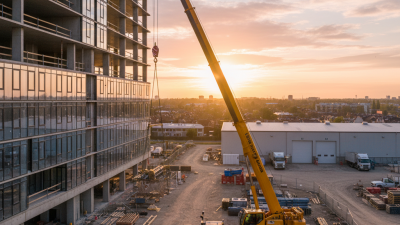
When selecting a girder crane, the installation environment is crucial. Many projects face challenges due to spatial constraints. According to industry reports, around 70% of misfits occur because of poor site assessments. If the installation site lacks vertical space, the crane's design must accommodate these limitations.
Consider structure height and width. Does the ceiling permit vertical lifting? Is there enough room for movement? A standard girder crane requires a minimum headroom. In tight spaces, a low-profile design can remedy issues. Reports have shown that reducing the overall height can maximize usable space. This solves some design flaws but can complicate load capacity.
Weather conditions should also be evaluated. Indoor cranes face different challenges than outdoor ones. External elements like wind and rain affect performance. Data indicates that 30% of cranes fail due to environmental factors. It’s essential to assess local weather conditions. An adverse environment may necessitate extra protection features for durability. Understanding these aspects leads to improved safety and efficiency.
Budgeting for Purchase, Installation, and Maintenance Costs
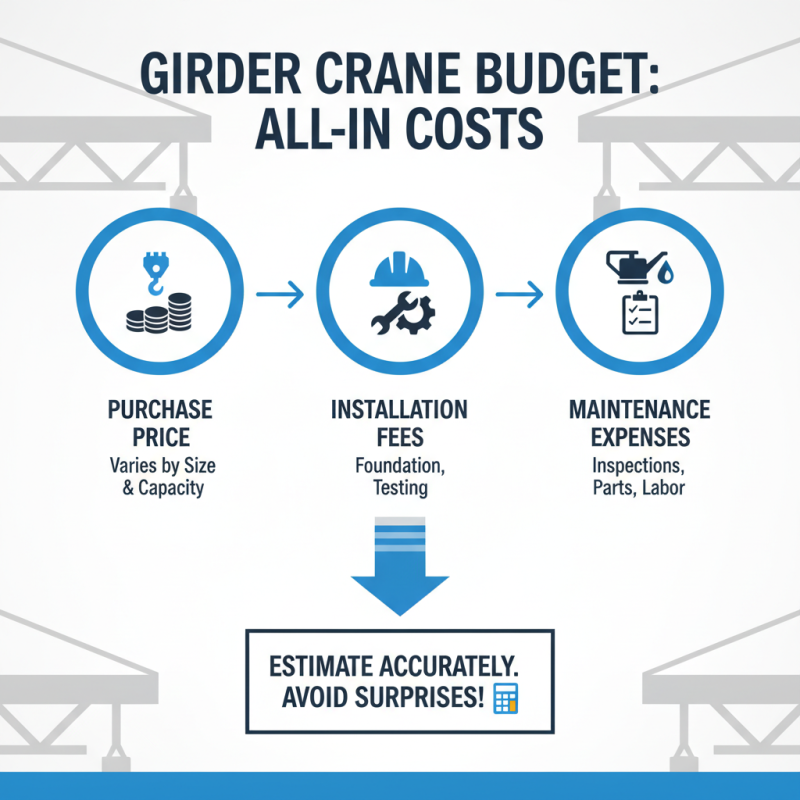
When budgeting for a girder crane, consider all associated costs. These costs include purchase price, installation fees, and maintenance expenses. The initial cost can vary greatly based on the crane's size and capacity. It’s essential to estimate accurately. Overlooking small fees can lead to surprises.
Installation costs should also be accounted for. Often, these can escalate if not planned properly. Site preparation may be required, adding to the expenses. Can your team handle the installation? It’s wise to evaluate whether hiring professionals is more cost-effective.
Maintenance costs often get neglected in the initial budget. Regular inspections and repairs are crucial for the crane's longevity. Unexpected breakdowns can lead to costly delays. Factor in training for operators, which may not be included in the initial costs. Skimping on maintenance could lead to more significant issues.