How to Choose the Right Jib Crane for Your Business Needs?
Choosing the right Jib Crane can significantly impact your business's efficiency and safety. According to the Association for Manufacturing Technology (AMT), over 35% of manufacturing facilities report issues with material handling. Using the right equipment is crucial to minimize downtime and maximize productivity.
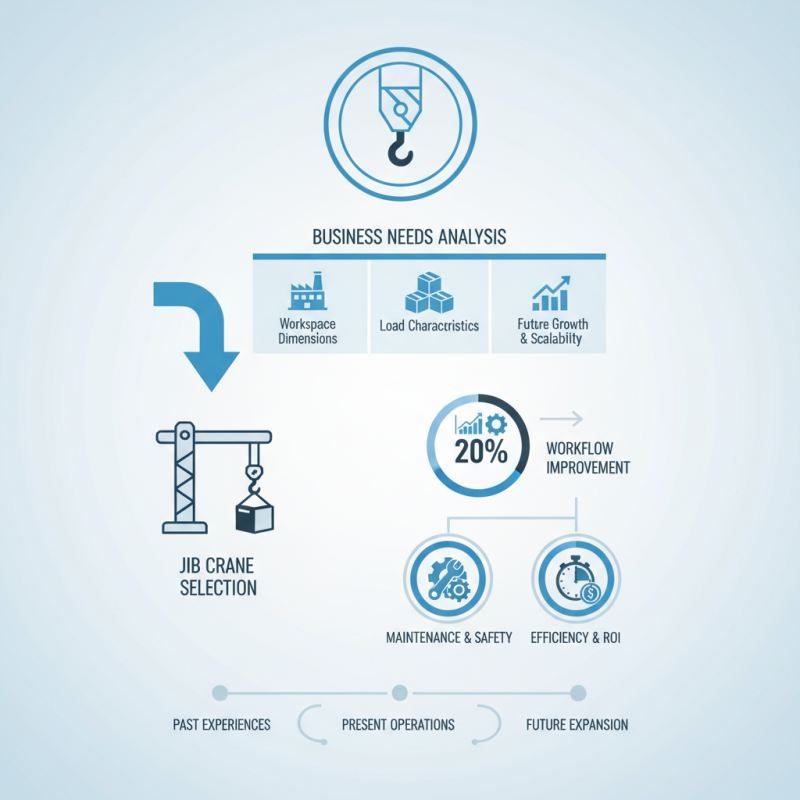
Jib Cranes provide flexibility and can lift heavy loads efficiently. Studies show that well-implemented Jib Cranes can improve workflow by up to 20%. However, selecting the wrong type or size may lead to inefficiencies. It is essential to analyze your specific needs, workspace dimensions, and load characteristics before making a decision.
Additionally, many businesses fail to consider future growth. A crane that fits today’s needs might not accommodate increased loads later. It's critical to anticipate your operations' evolution and choose a Jib Crane that offers scalability and adaptability. Making an informed choice often requires reflection on past experiences and industry requirements.
Understanding Jib Crane Types and Their Applications in Industry
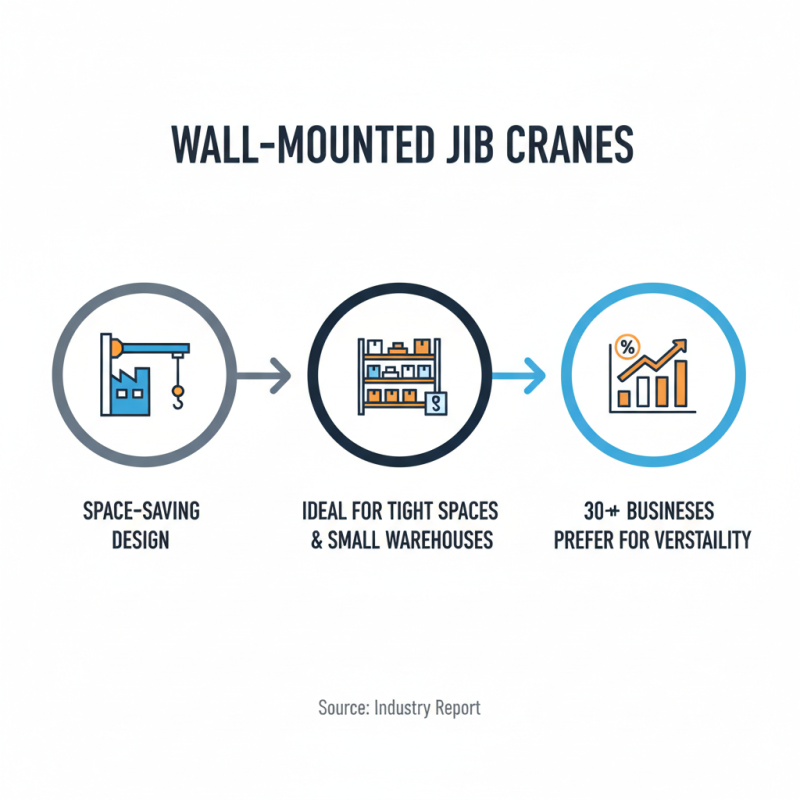
When selecting a jib crane, understanding its types is essential. Jib cranes come in various configurations designed for specific tasks. For instance, wall-mounted jib cranes can be used in tight spaces. They are typically ideal for small warehouses. An industry report indicates that over 30% of businesses favor wall-mounted options for versatility.
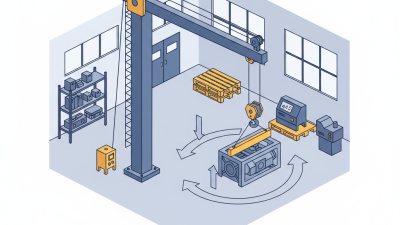
Freestanding jib cranes often handle heavier loads. They can rotate 360 degrees, making them suitable for assembly lines. According to recent statistics, around 45% of manufacturing facilities use freestanding jib cranes for their efficiency. However, a decision should also consider the space available. Not all facilities can accommodate large bases.
Another type is the articulating jib crane. It features a unique arm design, allowing for greater reach over obstacles. This type has gained popularity because it can access hard-to-reach areas. Yet, the complexity of installation is a drawback. A miscalculation in dimensions can lead to inefficiencies. Understanding these distinctions can greatly influence your choice.
Assessing Load Capacity Requirements for Optimal Jib Crane Performance
When selecting a jib crane, assessing load capacity is crucial. The load capacity defines how much weight the crane can safely lift. A common mistake is underestimating this factor. For instance, lifting heavy items repeatedly can lead to wear and tear on the crane. Knowing the maximum load helps prevent accidents and equipment failure.
Consider your typical loads. Are they consistent or variable? This detail affects the choice of a jib crane. If you constantly lift heavy equipment, a higher load capacity is necessary. On the other hand, lighter, irregular loads may allow for a lower capacity model. Analyze the types of items you handle and their weights. Documenting this information guides your decision-making process.
Another aspect is the frequency of use. High-frequency lifting requires robust construction. A lighter crane might not withstand daily strain. Reflecting on past experiences can illuminate this choice. Have there been near-misses or breakdowns? These moments are learning opportunities. They guide you toward a crane that meets your needs without compromising safety.
Evaluating Workspace and Height Restrictions for Jib Crane Installation
When evaluating workspace and height restrictions for jib crane installation, begin by measuring the ceiling height. This measurement is vital. If the ceiling is too low, the crane may not function effectively. Ensure you have enough clearance for the load. Consider the height of the load during lift-off.
Next, assess your workspace's layout. Is there ample room to maneuver? A cramped workspace can hinder operations. Think about how the crane will move. It should cover all necessary areas without obstructions. Also, note any overhead fixtures or equipment that might interfere.
Lastly, think about safety and ergonomics. How easy is it for operators to access controls? A poorly designed setup can create hazards. If operators struggle, productivity may decline. Be mindful of the unique challenges your space presents. Reflecting on these factors will help you make better choices.
Workspace and Height Restrictions for Jib Crane Installation
Comparing Jib Crane Materials: Steel vs. Aluminum and Their Benefits
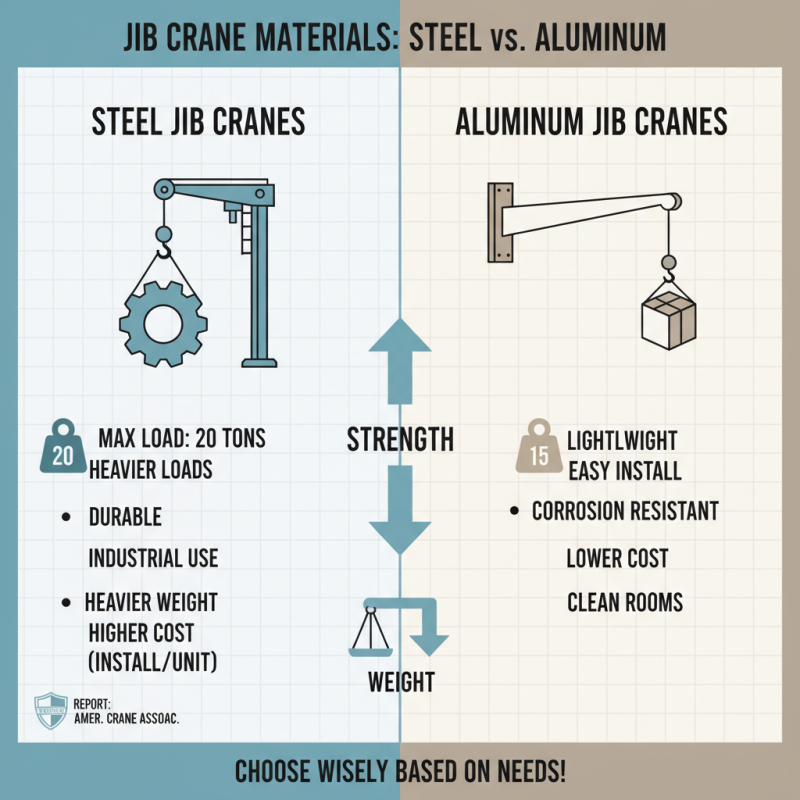
When selecting a jib crane, material choice is crucial. Steel and aluminum are the top contenders. Steel is durable and can handle heavier loads, making it ideal for industrial settings. A report from the American Crane and Hoist Manufacturers Association reveals that steel cranes can lift up to 20 tons. However, they are heavier and more expensive, which can affect installation costs.
On the other hand, aluminum cranes are lightweight and resistant to corrosion. This makes them suitable for facilities that require mobility and flexibility. According to industry research, aluminum jib cranes can typically handle loads up to 2 tons. Their lower weight often results in easier installation and less structural support needed. Yet, they may not be suitable for all heavy-duty applications, leading to potential inefficiencies.
Choosing between these materials involves trade-offs. Steel can endure demanding tasks but may lead to higher long-term costs due to maintenance. Aluminum offers convenience and lower upfront expenses but may require careful consideration for heavier workloads. Each material has its unique benefits and drawbacks, demanding thoughtful evaluation based on specific business needs.
Analyzing Cost-Benefit Factors in Jib Crane Selection for Business Efficiency
When selecting a jib crane for your business needs, cost-benefit factors play a crucial role. Start by evaluating your operational requirements. Consider the weight of loads you frequently handle. Analyze the dimensions of your workspace. A crane that fits perfectly can improve workflow and safety. If space is tight, a wall-mounted jib crane may be ideal.
Next, focus on initial costs versus long-term benefits. A cheaper model might save money now but can incur higher maintenance costs later. Think about durability. Investing in a more robust crane can lead to fewer breakdowns and replacements. This choice impacts productivity as downtime can be costly. Check the warranty and service options. These can affect overall satisfaction and costs.
Lastly, reflect on your growth plans. Will your lifting needs expand? Choose a crane that can adapt. Sometimes, being overly frugal can backfire. It’s worthwhile to balance initial expenditure against future gains. Aim for a solution that truly meets your business's evolving demands. This reflection ensures you select wisely.
How to Choose the Right Jib Crane for Your Business Needs?
| Criterion |
Description |
Cost-Benefit Consideration |
| Load Capacity |
The maximum weight that the crane can effectively lift. |
Selecting the appropriate load capacity avoids overburdening and potential safety issues. |
| Span Length |
The distance between the supports of the jib crane. |
A proper span length ensures efficient coverage of the work area. |
| Mounting Type |
The way the jib crane is mounted (wall-mounted, column-mounted, etc.). |
Choosing the right mounting type optimizes space utilization and operational efficiency. |
| Height of Lift |
The maximum height the crane can lift loads. |
Higher lift capacities may require higher initial costs but can enhance productivity. |
| Cost of Maintenance |
Ongoing costs associated with maintaining the crane. |
Lower maintenance costs can lead to higher profitability over time. |
| Safety Features |
Built-in safety mechanisms such as overload protection. |
Investing in safety can prevent accidents and reduce liability costs. |