How to Choose the Right Motorised Jib Crane for Your Business Needs?
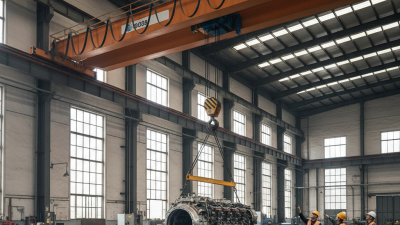
In the manufacturing industry, choosing the right equipment is crucial. The Motorised Jib Crane stands out as an essential tool for many businesses. According to a recent industry report by Grand View Research, the global crane market is projected to reach $45 billion by 2027. Businesses are under pressure to increase efficiency. Selecting the right crane can directly impact productivity and safety.
The Motorised Jib Crane offers flexibility and ease of use. They can lift heavy loads, reducing manual labor. A poorly chosen crane may lead to workplace accidents. In fact, OSHA reports indicate that 90% of workplace injuries result from improper equipment. Therefore, understanding specific business needs is vital.
Consider weight capacity and operational space. Some cranes offer greater reach but may not fit in tighter areas. Your choice should reflect both current and future needs. This task may seem daunting, but investing time here pays off. Be cautious; each decision carries potential consequences. A well-informed choice leads to enhanced performance and safety.
Understanding the Basics of Motorised Jib Cranes
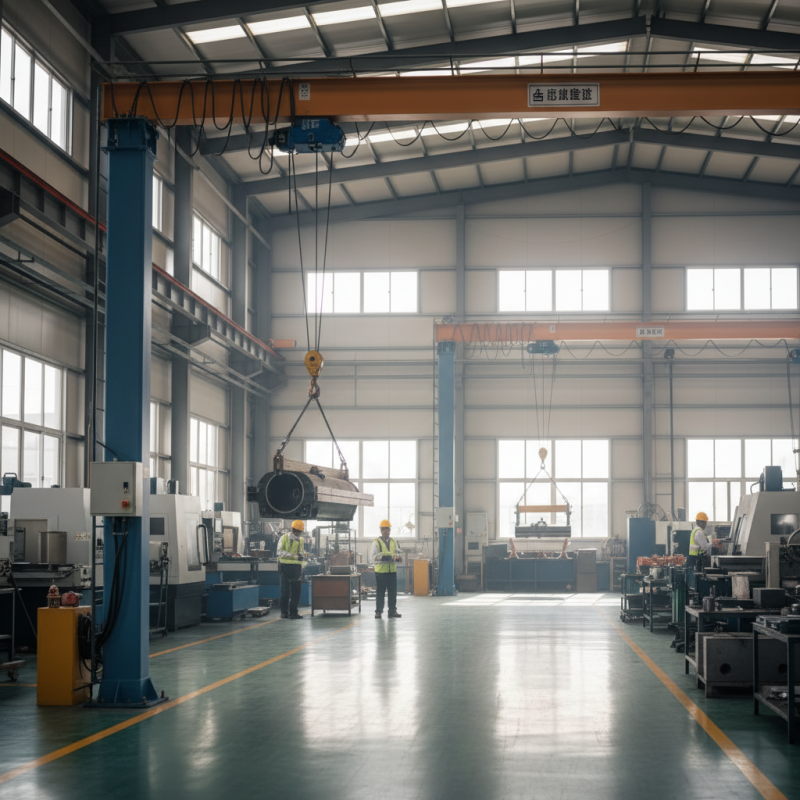
Motorised jib cranes are essential for modern industrial operations. They enhance efficiency and safety in lifting tasks. Understanding their fundamentals is crucial before making a purchase. These cranes feature a horizontal arm, or jib, mounted on a vertical post. This setup allows for precise movement in various directions.
According to industry reports, the global jib crane market is expected to reach $1.2 billion by 2025, reflecting a growing demand.
Operators should assess their specific lifting needs. Consider the weight capacity and reach of the crane. For instance, a crane with a 2000 kg capacity may suit heavy machinery. However, an operator could struggle with space limitations. If your workspace is tight, a crane with a compact footprint is vital. The importance of ergonomics should not be overlooked, as discomfort can decrease productivity.
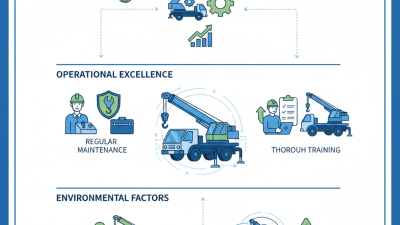
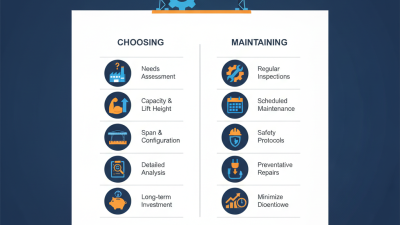
It's noted that maintenance plays a significant role in crane lifespan. Regular checks and balances can prolong equipment durability. Yet, many businesses neglect routine inspections, leading to unforeseen breakdowns. This can halt operations and cause delays. Investing in training for operators can mitigate risks. Proper knowledge enhances safety and efficiency on the job site.
Assessing Your Business Needs and Work Environment
Choosing the right motorised jib crane is crucial for optimizing operational efficiency. Start by assessing your business needs. Consider the weight capacity required for your tasks. According to industry reports, cranes with capacities between 1 to 5 tons are common for small to medium operations. Evaluate the frequency of use. Heavy daily use will necessitate a more robust design.
Next, take a closer look at your work environment. Space constraints are vital. Measure vertical and horizontal clearances. Use data from ergonomic studies to ensure proper reach and movement. Limited space can restrict crane operation. It is also essential to consider your workforce's training. A well-trained team can maximize the crane's efficiency.
Tip: Regular maintenance is crucial. A neglected crane can lead to accidents or downtime, affecting productivity.
Assessing the environment entails considering overhead obstructions. Power lines or building structures should be mapped. This assessment can prevent costly accidents. Explore flexibility; some businesses require portable options. Fixed installations may be unsuitable for those needs.
Tip: Getting feedback from operators can highlight potential issues. Their insights often reveal problems not documented in reports.
Choosing the Right Motorised Jib Crane: Key Factors in Business Needs
Types of Motorised Jib Cranes Available in the Market
When selecting a motorised jib crane, understanding the types available is essential. There are various motorised jib cranes, each designed for specific applications. The two main categories are wall-mounted and freestanding jib cranes. Wall-mounted models are ideal for limited spaces. They offer flexibility and can be installed on existing structures.
Freestanding jib cranes provide a greater load capacity. These cranes often handle heavier items in industrial settings. The Global Market Insights report indicates that the jib crane market is expected to grow by over 5% annually. This rise reflects a growing demand for efficient lifting solutions across industries.
Another type worth considering is the articulated jib crane. This model features a flexible arm that enhances reach and maneuverability. It's a substantial choice for environments with obstacles. However, selecting the right jib crane involves challenges. Often, businesses underestimate their lifting needs. Failure to do so can result in overpaying for unnecessary capacity or choosing insufficient equipment.
Key Features to Consider When Selecting a Jib Crane
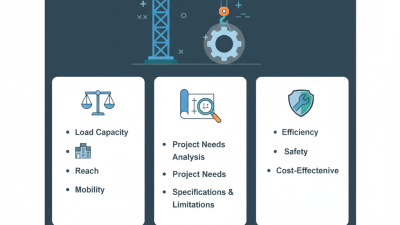
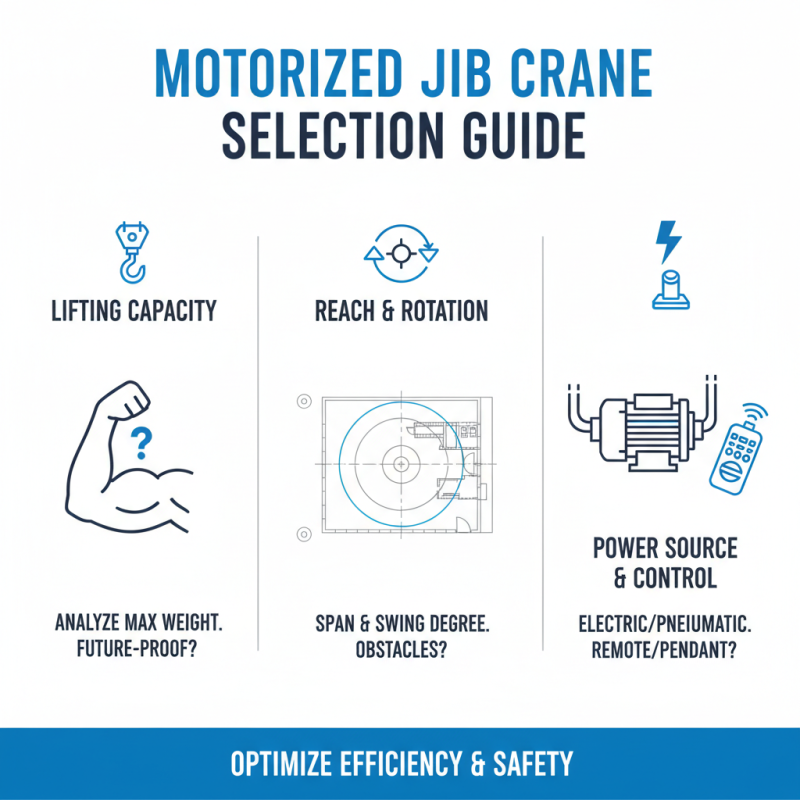
When selecting a motorised jib crane, various features should be considered to ensure it meets your business needs. The lifting capacity is paramount. Analyze the weight of the loads you'll be handling. If your requirements change, will the crane accommodate those changes? A crane with limited capacity may soon become insufficient.
Another key feature is the reach. The longer the reach, the more versatile the crane. But does a longer reach affect the stability? Jib cranes with extended arms might require a strong foundation. Location matters as well. Ensure there’s enough headroom and floor space for safe operation. Always think ahead. What if your workspace changes? Don’t overlook the crane's control system. Easy controls can enhance efficiency.
Lastly, consider safety features. Look for emergency stop buttons and overload protection. These features may seem standard, but they are critical. You want your workforce to operate without risk. Reflect on the training required for your team as well. Will they adapt quickly to the new equipment? Choosing the right jib crane involves balancing various factors, and adaptability is key in this decision-making process.
Evaluating Safety Standards and Compliance Requirements
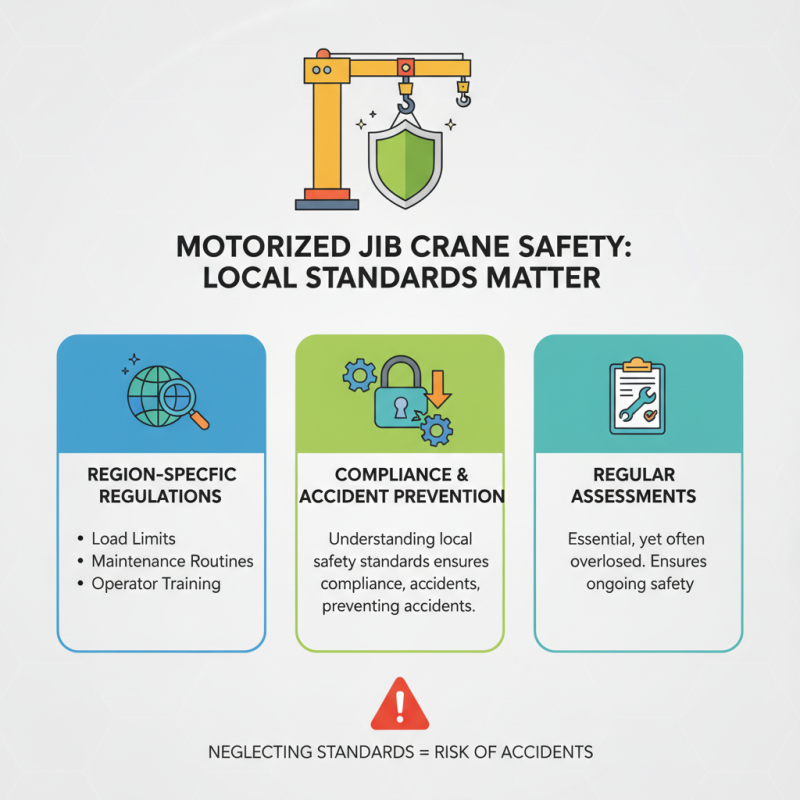
When selecting a motorised jib crane, safety is paramount. Understanding local safety standards helps ensure compliance. Each region has specific regulations. These can dictate load limits, maintenance routines, and operator training. Neglecting these standards might lead to accidents. Regular assessments are essential, yet many companies overlook this aspect.
Evaluating safety features is crucial. Look for emergency stop buttons and load indicators. These elements enhance operational safety. We often assume equipment is safe without proper checks. This can lead to oversight. Additionally, it's wise to consider the crane's design. A poor design can complicate maintenance and increase risks.
Comprehensive training for staff is another vital element. Operators must be familiar with the equipment's safety mechanisms. Many businesses fail to give adequate training. This gap can result in accidents or inefficient practices. Documenting training sessions helps ensure compliance, creating a safer working environment. Investing time in safety will pay off in the long run.