How to Choose the Right Overhead Hoist Crane for Your Needs?
Choosing the right Overhead Hoist Crane is crucial for efficiency and safety in various industries. These cranes come in various designs and capacities, making it essential to understand your specific needs. Are you lifting light or heavy loads? What is the height requirement? Proper evaluation can prevent costly mistakes.
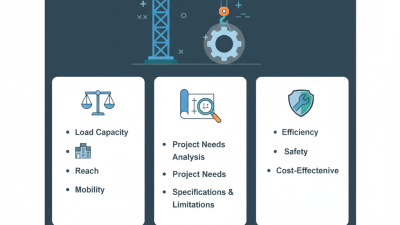
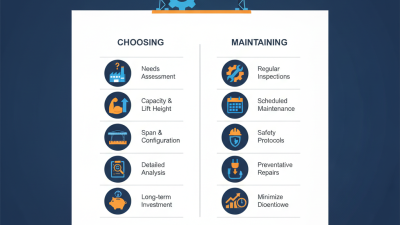
Selecting an Overhead Hoist Crane involves several factors. You need to consider load capacity, height, and the workspace layout. Be wary of overestimating your needs. Sometimes, a smaller crane may be adequate. This can lead to savings and better space management.
It's also important to reflect on the frequency of use. A crane for occasional tasks differs from one needed for daily operations. Maintenance and durability are key. A sturdy crane can save you headaches down the line. Take the time to understand your operational demands. This will guide you in making an informed choice.
Understanding Overhead Hoist Cranes: Types and Applications
Overhead hoist cranes are essential in various industries. They can lift heavy loads efficiently. Different types exist, each serving unique applications. Common types include bridge cranes, gantry cranes, and workstation cranes. The choice largely depends on operational needs.
Bridge cranes excel in large warehouses. They provide a wide span and can lift tons of weight. Reports show that over 60% of manufacturing plants rely on bridge cranes for heavy lifting.
Gantry cranes, on the other hand, are portable. They often cost less and are ideal for outdoor applications. Their flexibility makes them appealing for construction sites where stability is crucial.
Workstation cranes offer a different advantage. They serve assembly lines and light-duty applications. Statistics reveal that a well-placed workstation crane can improve productivity by over 30%. However, selecting the right type is not always straightforward. Each application requires specific features like lift height, load capacity, and control method. Understanding these factors can prevent costly mistakes. Balancing cost with capabilities often proves challenging.
Evaluating Load Capacity and Weight Requirements for Your Crane
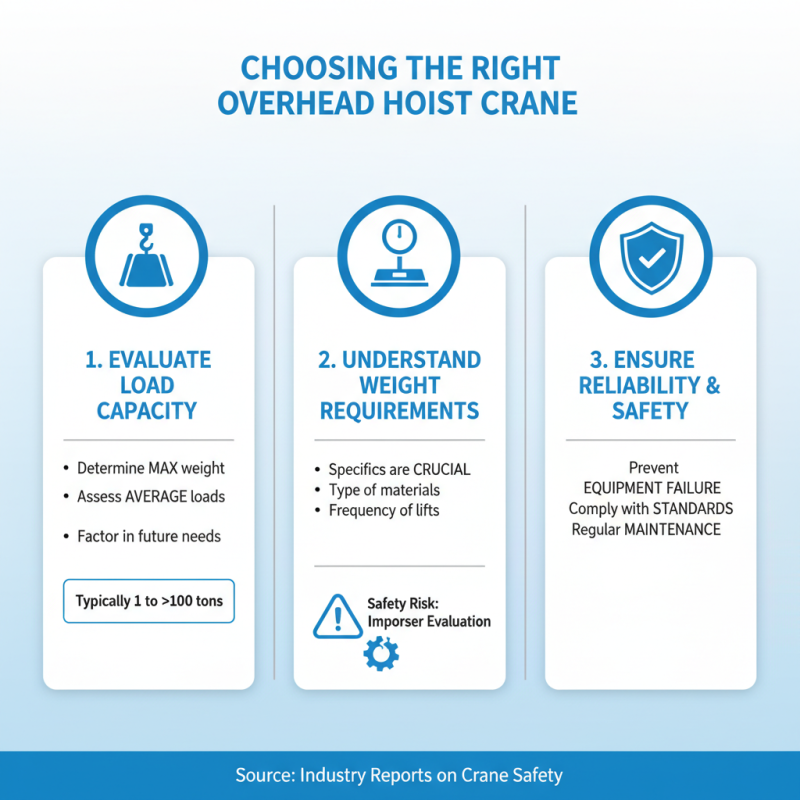
Choosing the right overhead hoist crane begins with evaluating load capacity and weight requirements. It's essential to understand the specific loads you will be handling. Overhead cranes can lift a wide range of weights, typically from 1 ton to over 100 tons. According to industry reports, improper load evaluation can lead to serious safety risks and equipment failures.
Load capacity isn't just a number. Consider the maximum load you intend to lift regularly. Many facilities operate within 70-80% of the crane's maximum capacity to safeguard against overload. For example, if a crane has a rated capacity of 20 tons, consistently lifting loads near 16 tons can help maintain operational safety. It’s also vital to account for the dynamic loads that may occur during lifting and lowering, which can affect stability.
Weight requirements extend beyond just the load itself. Accessories, such as slings and attachments, add weight. Hence, the total lifting weight must encompass these elements for accurate assessment. An error in calculations can lead to overestimating capability, leading to potential accidents. Regular training and evaluations of crane operators are crucial. Many accidents stem from misunderstanding load limits and equipment capabilities. Therefore, understanding load capacity thoroughly is paramount to ensure both efficiency and safety in operations.
Considering Space Constraints and Installation Environment
When selecting an overhead hoist crane, space constraints and installation environment play a crucial role.
Assess the workspace dimensions thoroughly. Measure the height and width carefully. Even minor miscalculations can lead to complications later.
A crane that is too large might not fit, while a smaller model may not meet your needs.
Consider the installation environment as well. Is the area indoors or outdoors? Indoors may offer better protection, but outdoor setups require weather-resistant materials.
Evaluate the ground surface too. Concrete floors provide a stable base, while uneven surfaces can complicate matters.
Be conscious of obstacles, such as pipes or lights, that could interfere with crane operations.
Review your operational requirements. How heavy are the loads? Ensure the crane can handle the maximum weight without strain.
Conducting a risk assessment may highlight unforeseen challenges. Test the crane in mock scenarios before full-scale use.
Balancing these factors can seem overwhelming, and mistakes can happen, but careful planning is key.
Assessing Safety Features and Compliance Standards
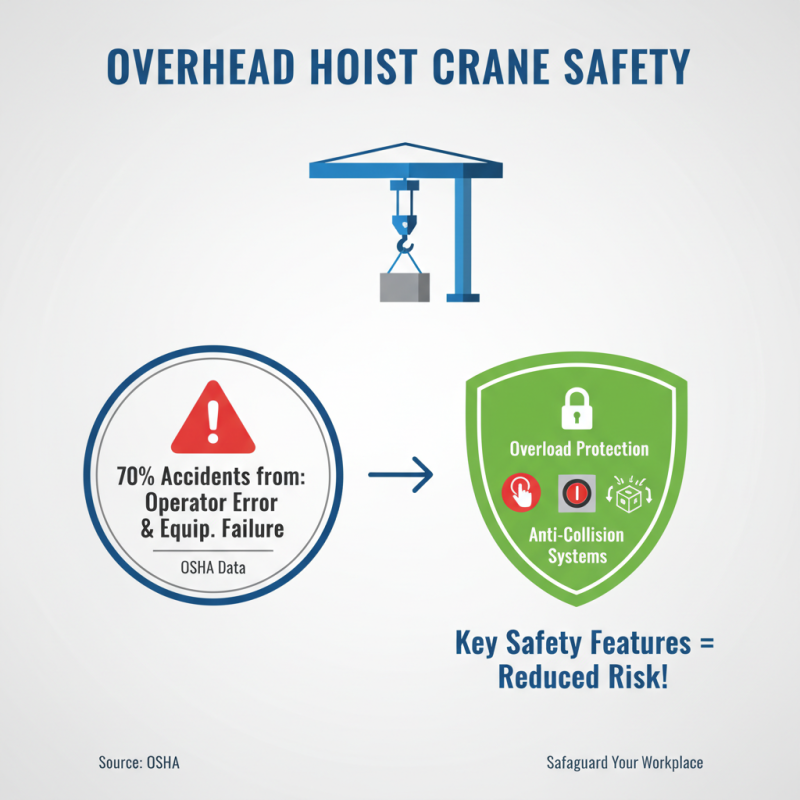
When selecting an overhead hoist crane, safety features should be a top priority. According to the Occupational Safety and Health Administration (OSHA), over 70% of crane accidents are attributed to operator error and equipment failure. This statistic highlights the importance of choosing a crane designed with advanced safety features. Look for models equipped with overload protection, emergency stop buttons, and anti-collision systems. These features significantly reduce the risk of accidents in the workplace, creating a safer environment for everyone.
Compliance with industry standards is crucial. The American National Standards Institute (ANSI) provides guidelines to ensure hoist cranes meet safety requirements. For instance, cranes must undergo rigorous inspections every year. Many workplaces overlook this aspect, leading to unsafe operating conditions. Employers should prioritize selecting cranes that not only comply with these standards but also provide proper training for operators. A well-trained operator can make the difference between safe operation and potential disaster.
It's also important to consider the crane’s load capacity and intended use. Misestimating the load can lead to failure. Data indicates that about 30% of workplace incidents involve improper load handling. Assessing these factors minimizes risks and enhances operational efficiency. The balance between capability and safety must be carefully evaluated to ensure optimal performance without sacrificing safety.
Choosing the Right Brand and Supplier for Your Overhead Hoist Crane
Selecting the right brand and supplier for your overhead hoist crane is crucial. The right choice impacts productivity and safety. According to a report from the Material Handling Industry of America, improper equipment selection can lead to a 15% reduction in operational efficiency. It’s essential to prioritize suppliers who offer robust warranties and reliable customer support. This ensures any issues with the crane are swiftly addressed.
In a market flooded with options, brand reputation matters. Look for suppliers with a history of reliability. A survey by the Crane Manufacturers Association reveals that 78% of companies rate supplier reliability as a key factor in their purchase decisions. Pay attention to user reviews and case studies. These insights provide a clearer picture of how well a supplier's equipment performs in real-world conditions.
Consider local suppliers too. They often provide faster service and support. However, don’t overlook the value of international suppliers. They may offer advanced technology that local brands lack. Analyze the total cost of ownership, including maintenance and operating costs. Sometimes, cheaper options can lead to higher long-term expenses. Assess all factors carefully before making a decision. Each choice shapes your operational capabilities.