How to Choose the Right Pivot Crane for Your Construction Needs?
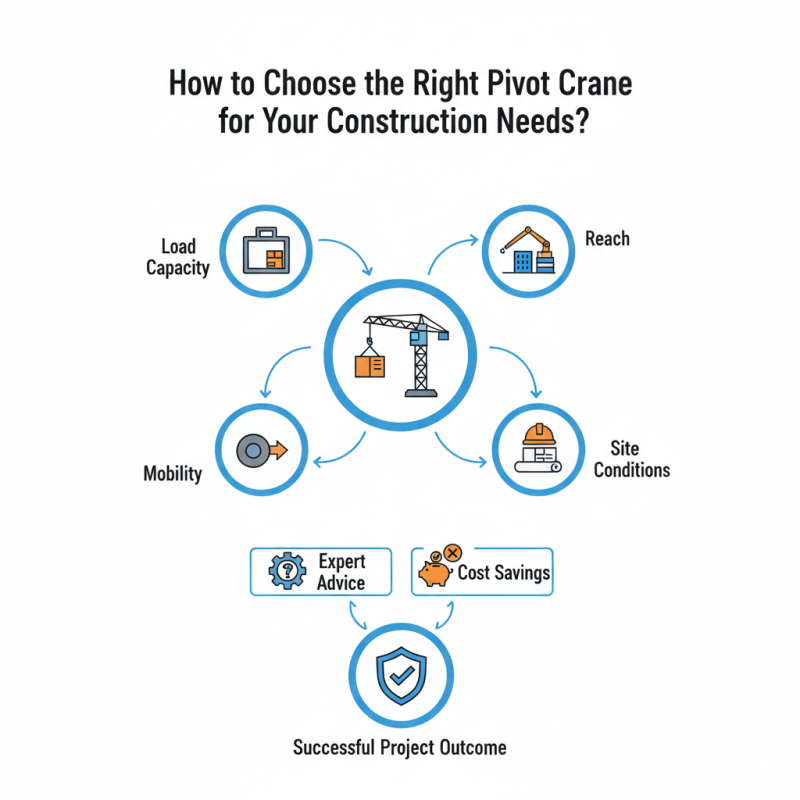
Choosing the right Pivot Crane is crucial for construction projects. A well-selected crane enhances efficiency and safety on the job site. It’s essential to understand your specific project needs before making a choice.
Consider factors such as load capacity, reach, and mobility. Not all Pivot Cranes are built the same; some are better suited for tight spaces, while others can handle heavier loads. Assessing the site conditions can guide your decision. Remember that even minor errors in selection can lead to significant delays and increased costs.
Expert advice can prevent costly mistakes. Consulting with industry professionals can help clarify which Pivot Crane fits your requirements. Your decision should reflect not only technical specifications but also the unique demands of your project. Striking a balance can often be challenging, but it’s necessary for a successful outcome.
Understanding Different Types of Pivot Cranes Available in the Market
When selecting a pivot crane, understanding the types available is crucial. Each type serves different functions. You might encounter telescopic cranes, which extend outward. They are compact and effective for small sites. Then, there are tower cranes, ideal for high-rise construction. Their robustness allows them to handle heavier loads.
Articulated cranes offer flexibility. They can maneuver in tight spaces and are often used for precise lifting tasks. Selecting the right type depends on site conditions and project requirements.
Don't overlook your specific needs. Assess the load capacity, height requirements, and reach. Each type has its strengths and weaknesses. It's essential to reflect on what your project demands. Sometimes, the best choice isn't the most popular crane. A well-suited pivot crane can enhance efficiency and safety at the job site.
How to Choose the Right Pivot Crane for Your Construction Needs?
| Type of Pivot Crane |
Maximum Load Capacity (tons) |
Reach (feet) |
Height (feet) |
Typical Applications |
| Compact Pivot Crane |
5 |
30 |
15 |
Residential Projects |
| Standard Pivot Crane |
10 |
50 |
20 |
Commercial Construction |
| Heavy-Duty Pivot Crane |
20 |
75 |
25 |
Industrial Projects |
| Specialized Pivot Crane |
15 |
60 |
30 |
Event Setup, Marine Projects |
Evaluating the Load Capacity Requirements for Your Construction Project
When selecting a pivot crane, assessing load capacity is crucial. Many projects demand different lifting capacities. Industry data indicates that up to 80% of construction delays occur because of equipment inadequacies. Understanding your project's specific requirements can mitigate risks.
Weight considerations vary widely. A typical mid-sized construction project may require cranes with a capacity ranging from 10 to 30 tons. For larger projects, capacities can exceed 100 tons. Using outdated load information can lead to inadequate planning. Missing these details can result in unsafe conditions and additional costs.
Furthermore, it's vital to account for dynamic loads during operations. Wind resistance, swinging, and operator mistakes can all affect lifting performance. Research shows that nearly 40% of load incidents result from miscalculations in actual weights versus crane specifications. Regular training and recalibrating equipment can improve precision and reliability. Understanding these nuances is key for effective project management and safety compliance.
How to Choose the Right Pivot Crane for Your Construction Needs?
This chart evaluates the load capacity requirements needed for various construction projects. The data shown represents hypothetical load capacities (in tons) needed for different types of construction projects: residential, commercial, and industrial.
Considering the Maintenance and Operating Costs of Pivot Cranes
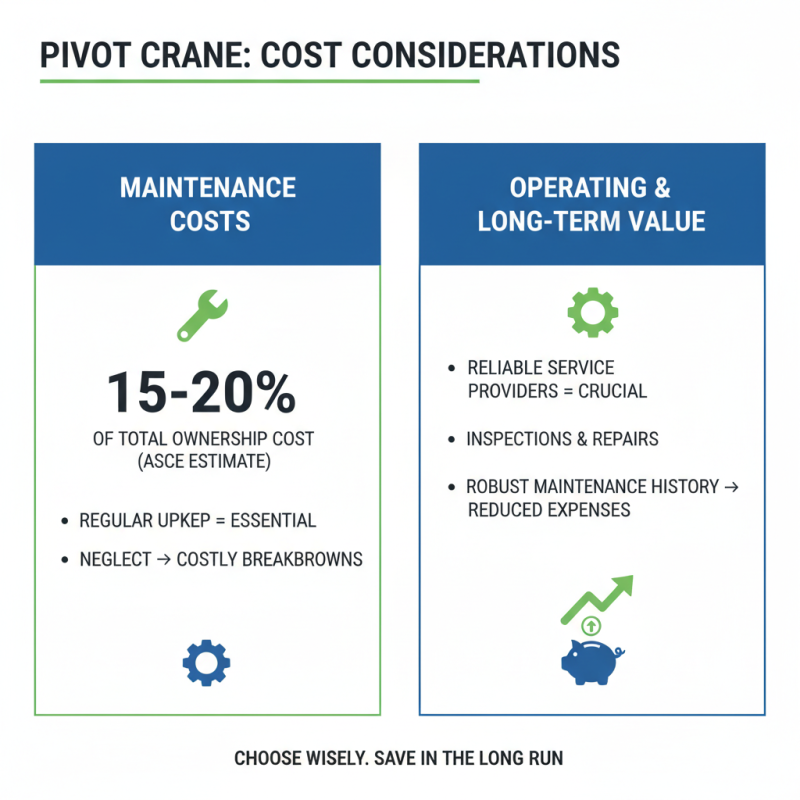
When choosing a pivot crane, maintenance and operating costs should be at the forefront. The American Society of Civil Engineers (ASCE) estimates that cranes can incur 15-20% of their total ownership cost in maintenance alone. Regular maintenance is essential. Neglect can lead to costly breakdowns. Identifying reliable service providers is crucial. They can perform necessary inspections and repairs. A crane with a robust maintenance history may reduce long-term expenses.
Operating costs vary significantly based on usage. The National Institute of Standards and Technology (NIST) reports that energy consumption for cranes can reach 1,500 to 3,000 kWh/month, depending on load and frequency of use. Fuel efficiency also affects overall expenditures. Considerable savings arise from cranes designed for lower operational energy input. Calculations should account for fuel prices and expected working hours.
Choosing the right pivot crane goes beyond initial costs. Some cranes might seem cheaper upfront but could require excessive maintenance. Others may be more expensive initially but have durability and efficiency, resulting in long-term savings. Reflecting on these factors helps in making an informed decision that aligns with your project's financial constraints.
Identifying Key Features and Specifications Relevant to Your Needs
When selecting a pivot crane for construction, it's crucial to identify key features that align with specific needs. First, consider the lifting capacity. According to the Crane Manufacturer's Association of America, understanding the maximum load your crane will handle is vital. Most constructions require cranes that can lift from 10 tons to 200 tons. However, overloading can lead to accidents and equipment failure.
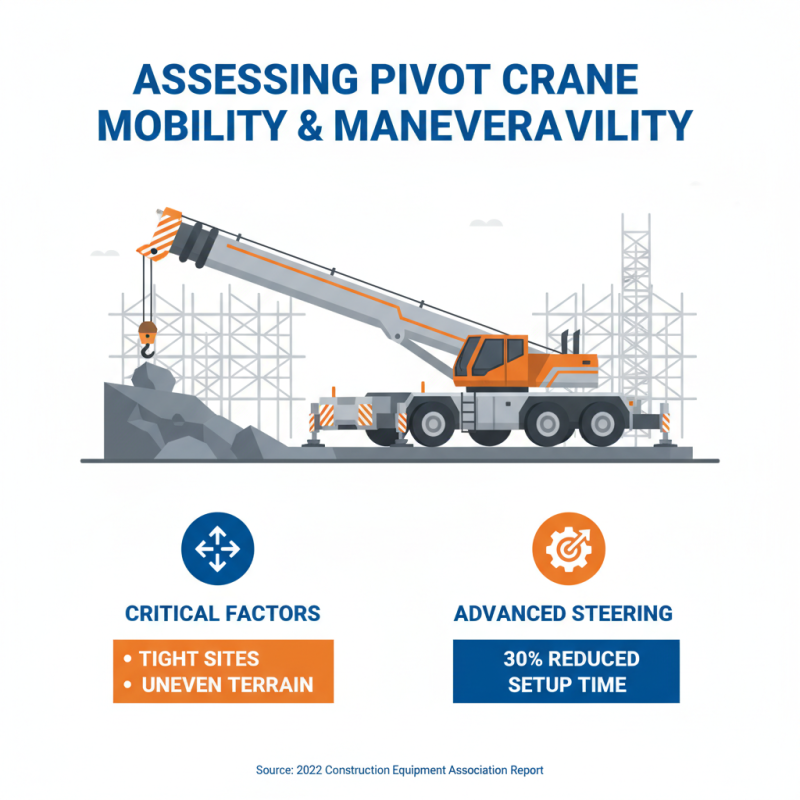
Another important specification is the crane's reach and height. An ideal pivot crane should provide sufficient boom length to maneuver around obstacles. This is particularly important for tight job sites. A study from the International Journal of Engineering shows that cranes with adjustable booms enhance flexibility, thus improving efficiency.
Tips: Assess your construction site dimensions before purchase. A crane with good maneuverability can save time. Regular maintenance checks are also essential to ensure safety and performance. A well-maintained crane is less likely to cause unexpected downtime, which can delay projects and inflate costs.
Lastly, evaluate the crane's operational complexity. Some advanced models may require specialized training. Ensure that your crew is well-trained to maximize the equipment's capabilities. Always remember that while advanced features can boost performance, simplicity often leads to better usability on the job site.