What is a Double Girder Overhead Crane and How Does It Work?
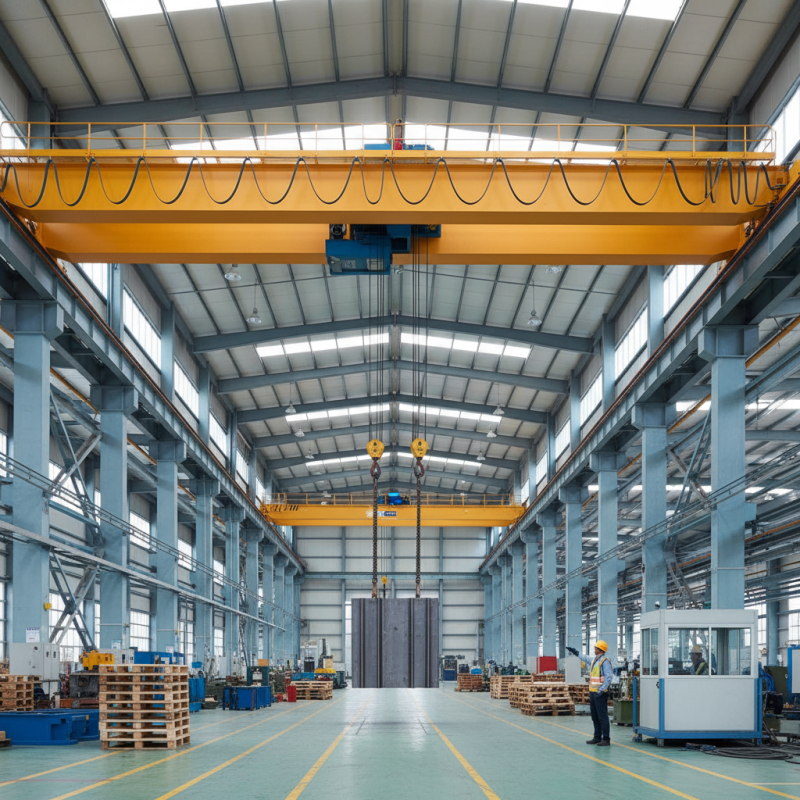
A Double Girder Overhead Crane is a vital tool in industries that require heavy lifting. This crane design features two parallel girders, distributing weight evenly. It offers enhanced stability and a greater load capacity compared to single girder cranes.
When it comes to operational efficiency, the Double Girder Overhead Crane stands out. It can cover larger spans and lift heavier loads, making it ideal for warehouses and manufacturing plants. The system operates on tracks mounted to the building’s structure. Operators can control the movement from a distance, ensuring safety.
However, using a Double Girder Overhead Crane is not without challenges. Maintenance can be complex due to its design. Operators must be well-trained to handle the equipment safely. Knowing the limitations is crucial to avoid accidents. Reflecting on these aspects will help in optimizing crane usage and ensuring a safer working environment.
What is a Double Girder Overhead Crane?
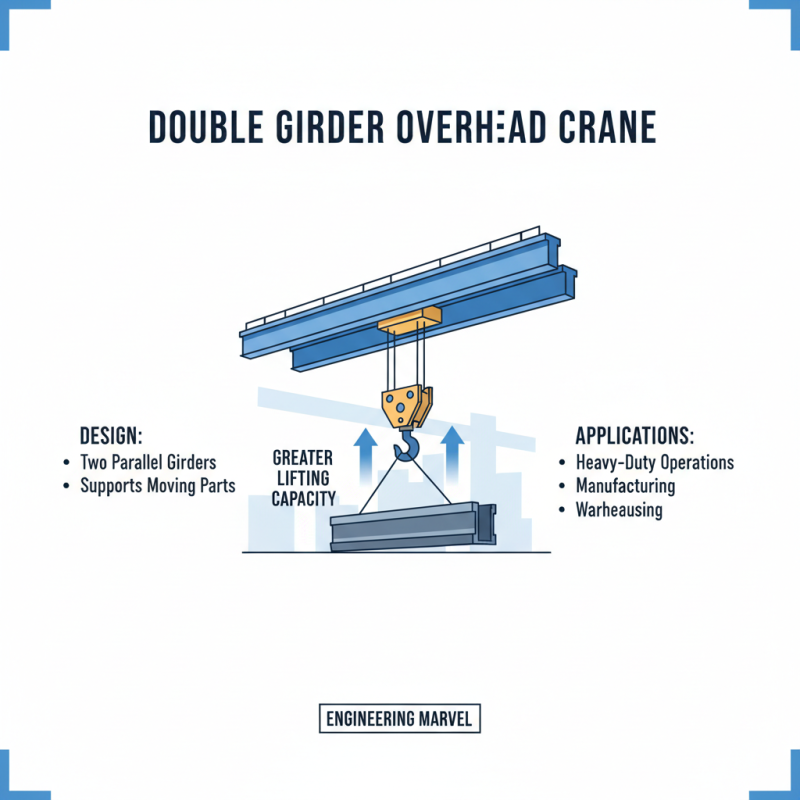
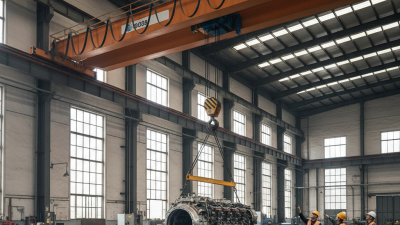
A double girder overhead crane is an engineering marvel. It consists of two parallel girders that support the crane’s moving parts. This design allows for greater lifting capacity compared to single girder cranes. They are often used in heavy-duty applications, such as manufacturing and warehouse operations.
The construction of a double girder overhead crane is robust. It typically includes two main beams, which are connected by cross beams. This structure enhances stability and allows smooth movement across the entire span. Operators often appreciate the increased headroom and lifting height compared to other designs. However, the complexity can make installation more challenging.
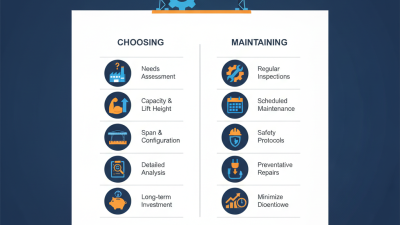
Maintenance is crucial for efficient operation. Regular inspections can prevent serious issues. Even minor neglect can lead to breakdowns, causing delays in production. Users must be aware of these potential pitfalls. Training for operators is also vital; improper use can lead to accidents. Awareness of these factors can improve safety and productivity in the workplace.
Key Components of a Double Girder Overhead Crane
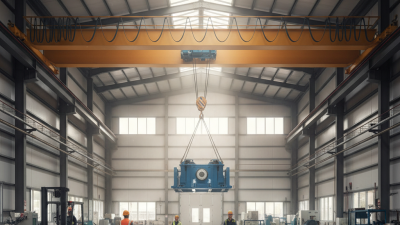
A double girder overhead crane is an essential tool in various industries. Its design features two parallel girders that provide stability and support. The primary components of this crane include the girders, hoist, trolleys, and end trucks. Each part plays a crucial role in its operation.
The girders form the backbone of the crane. They bear the load and provide the necessary strength. The hoist, attached to the trolleys, lifts and lowers the load. The trolleys move along the girders, allowing for lateral movement. The end trucks connect the girders to the building structure, ensuring everything remains secure.
Observing these components reveals areas for improvement. For instance, maintenance of the hoist is vital. Neglecting this can lead to malfunctions. Users might overlook how dust accumulation affects efficiency. Regular checks can enhance operational performance. Identifying these smaller details is essential for long-term reliability.
What is a Double Girder Overhead Crane and How Does It Work? - Key Components of a Double Girder Overhead Crane
| Component |
Description |
Function |
| Bridge |
The main horizontal structure that spans the workspace. |
Supports the hoist and gives lateral movement. |
| Girders |
Two parallel beams that provide the main framework. |
Distributes weight and provides stability. |
| Hoist |
The lifting mechanism that raises and lowers loads. |
Lifts heavy objects vertically. |
| End Trucks |
Wheels mounted on either end of the bridge. |
Facilitate movement along the runway. |
| Controls |
User interface for operating the crane. |
Regulates movement and operation of the crane. |
| Runway |
The track along which the crane moves. |
Provides a path for horizontal movement. |
Applications of Double Girder Overhead Cranes in Industries
Double girder overhead cranes play a significant role across various industries. Their design offers greater lifting capacities compared to single girder cranes. This makes them suitable for heavy-duty applications. They can lift loads exceeding 100 tons in many cases. According to a report by Mordor Intelligence, the global overhead crane market is projected to grow by 4.85% annually from 2021 to 2026. The increasing demand for automation in industries drives this growth.
In manufacturing and construction, double girder cranes are invaluable. They move large steel beams and heavy machinery with precision. Many factories experience inefficiencies when using outdated lifting systems. RFID technology helps streamline operations, yet not all facilities adopt it. Companies often hesitate to invest in new technologies despite potential productivity gains. This reluctance can slow down advancements in efficiency and safety.
In logistics and shipping, these cranes are critical in loading and unloading containers from ships. They are often used in ports and freight terminals. Yet, the strain on these machines can lead to maintenance challenges. Regular inspections are necessary to prevent failures. However, some facilities neglect this aspect, risking safety and operational downtime. Such oversights can lead to costly accidents, challenging industry standards.
Applications of Double Girder Overhead Cranes in Various Industries
Advantages of Using Double Girder Overhead Cranes
Double girder overhead cranes are increasingly favored in various industries. They offer several advantages that enhance operational efficiency. One key benefit is their ability to lift heavier loads. According to a report by the Material Handling Industry, these cranes can handle loads exceeding 100 tons. This is crucial in heavy manufacturing settings where large components need moving.
Another significant advantage is their stability. The double girder design provides enhanced rigidity. This stability allows for safer operations, minimizing the risk of accidents. Research indicates that cranes with this design experience 30% less sway compared to single girder models. Moreover, they offer better height clearance, making them ideal for tall structures.
However, some challenges exist. The installation of double girder cranes can be more complex. This can result in higher initial costs. Additionally, maintenance can be more demanding due to their sophisticated structure. Companies must assess whether these cranes align with their operational needs. Balancing performance and budget is essential in selecting the right equipment.