What is an Electric Gantry Crane and How Does it Work?
An Electric Gantry Crane is a versatile piece of machinery used for heavy lifting. It operates on a gantry structure, allowing it to move along tracks. This design makes it ideal for various industrial tasks, from shipping yards to construction sites.
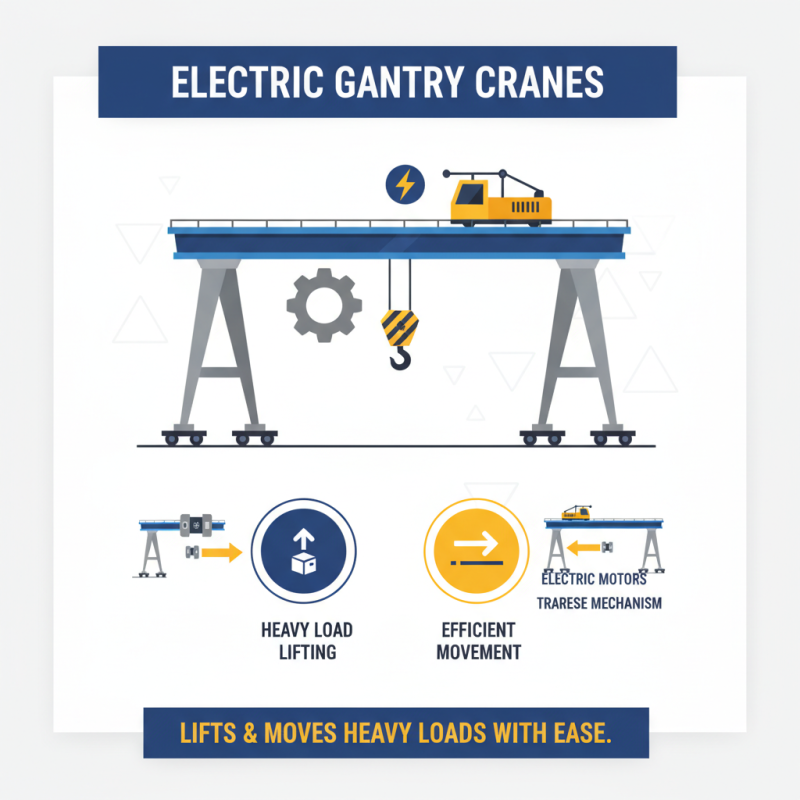
Its mechanized system relies on electric power, ensuring smooth and efficient operation. The crane consists of a hoist, trolley, and support beams. Each part plays a crucial role in lifting heavy loads safely. Users benefit from its precision and control, enhancing workflow in busy environments.
However, while Electric Gantry Cranes are efficient, they require careful operation. Safety protocols must be strictly followed to prevent accidents. Users should regularly inspect the equipment. Awareness of potential hazards is vital. Proper training for operators can avoid tragic mistakes. Invest in maintenance to ensure longevity. Reflecting on these aspects can lead to safer operations overall.
What is an Electric Gantry Crane?
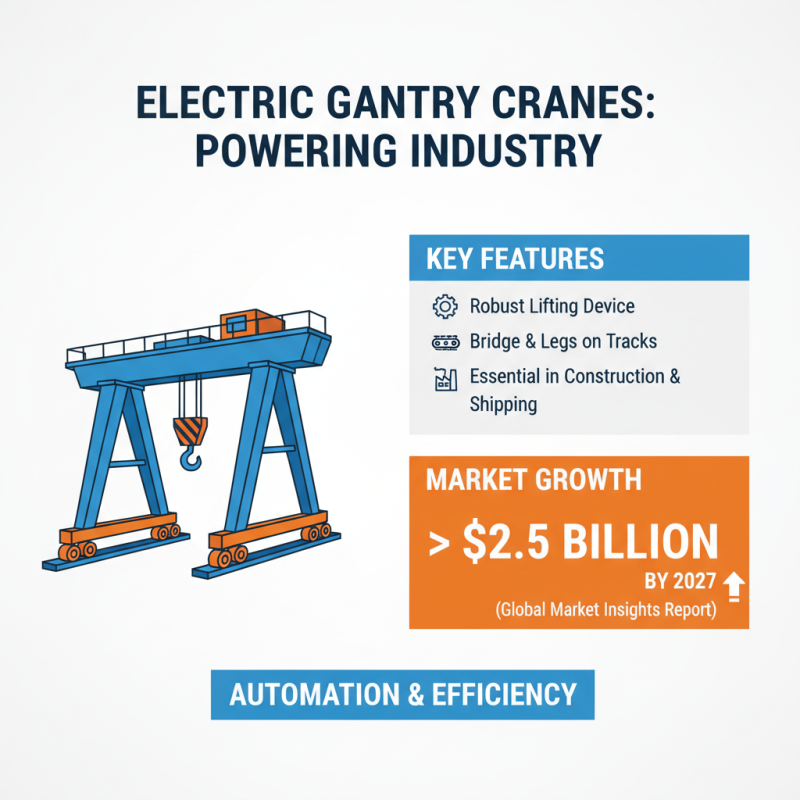
An electric gantry crane is a robust lifting device. It consists of a bridge supported by two or more legs that move on tracks. These cranes are essential in various industries, particularly in construction and shipping. According to the Global Market Insights report, the electric gantry crane market is expected to exceed $2.5 billion by 2027. This growth indicates the increasing reliance on automation and efficiency.
The operation of electric gantry cranes involves electric motors that drive the hoists and the movement along the tracks. They can lift heavy loads, typically ranging from 1 ton to over 100 tons. Many industries utilize these cranes for their ability to cover wide areas. However, safety remains a critical concern. Reports indicate that improper usage can lead to accidents, resulting in injuries or damage. Regular training and maintenance are essential.
Despite their advantages, electric gantry cranes can be complex. Not all operators may fully understand their mechanisms. Miscommunication can happen, particularly in busy environments. The need for clear protocols is vital to ensure safety. While these cranes enhance productivity, reliance on technology also brings challenges. Adapting to new systems can be difficult for some workers.
Key Components of Electric Gantry Cranes
Key components of electric gantry cranes play a vital role in their operation. The structure typically consists of a robust frame that supports the entire system. This frame allows for stable movement across large areas. It is made from high-quality steel to withstand heavy loads and weather conditions. The design is often modular, allowing for easier transportation and assembly.
The hoisting mechanism is crucial as well. It usually includes an electric motor connected to a drum or pulley system. This mechanism allows the crane to lift and lower loads efficiently. The trolley, which moves along the gantry frame, is another key component. It supports the hoisting mechanism and can traverse the width of the crane.
Controlling these cranes can sometimes present challenges. Operators must be trained to handle the electronic controls effectively. Miscommunication can lead to accidents, underscoring the importance of proper training and maintenance. Regular inspections are essential to ensure all components are functioning correctly, reducing the risk of failures.
Mechanism of Operation for Electric Gantry Cranes
Electric gantry cranes are vital in various industries. They lift and move heavy loads with ease. The mechanism behind their operation is fascinating. At its core, the crane consists of a bridge that spans two or more legs. This allows it to traverse the work area efficiently. Electric motors drive the crane, providing power to lift, lower, and move objects.
The lifting mechanism typically includes a hoist. It is essential in elevating loads. Chains or ropes connect to various loads, giving flexibility in lifting. This is crucial in construction sites and warehouses. The precision of movement plays a significant role. A slight error can lead to accidents or equipment damage. Operators must stay alert.
Moreover, safety features are incorporated to minimize risks. Limit switches prevent overload, while emergency stop buttons allow quick responses. Still, operators need to be cautious. Mishandling can occur due to distractions. It’s essential to remain focused while using this powerful equipment. The balance between efficiency and safety requires constant reflection and training.
Applications and Benefits of Electric Gantry Cranes
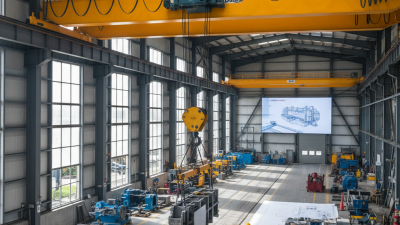
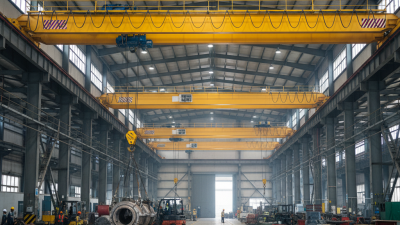
Electric gantry cranes have become essential in various industries due to their versatility. These cranes are useful in construction, manufacturing, and shipping. Their design allows for mobility across large areas, making them perfect for heavy lifting tasks. They can easily maneuver around obstacles, which is a significant benefit in crowded work environments.
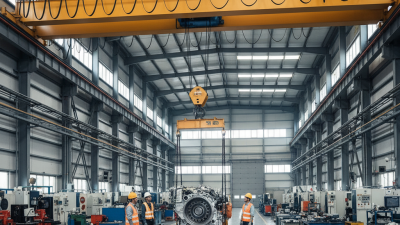
One notable application is in warehouses. Electric gantry cranes can streamline operations by moving heavy loads efficiently. They enhance productivity by reducing manual labor. However, the reliance on automated systems may create challenges. Operators must remain vigilant. Training is essential to ensure safety. If not managed well, accidents can occur.
In construction sites, these cranes play a vital role in on-site logistics. They help in placing materials precisely where needed. This reduces the downtime associated with finding and moving equipment by hand. Yet, improper use can lead to injuries. Workers might overlook safety protocols, which is concerning. Implementing strict safety measures and regular training can help mitigate risks.
Applications of Electric Gantry Cranes
Safety Features and Maintenance Practices for Electric Gantry Cranes
Electric gantry cranes are essential in various industries. Safety is a top priority when operating these cranes. Regular maintenance keeps them functioning safely. Operators must understand their cranes well. This knowledge helps them identify potential issues before they escalate.
Safety features include emergency stop buttons, limit switches, and overload protection systems. These components help prevent accidents. Operators should conduct daily checks before use. This includes inspecting hooks, cables, and brakes for wear and tear. However, even with precautions, errors can still happen. Operators may overlook minor issues. Training is vital for minimizing such risks.
Maintenance practices extend the crane's lifespan. Lubrication of moving parts is crucial. Inspect joints and wheels regularly to avoid malfunctions. Failure to perform these tasks can lead to major breakdowns. Keeping work areas clear of debris is essential too. A cluttered area can contribute to accidents. Overall, a proactive approach is needed to enhance safety and reliability.