What is a Jib Hoist Crane and How Does It Work?
A Jib Hoist Crane is a versatile tool in construction and industrial settings. Its design allows it to lift heavy loads with precision. Understanding how it works can enhance safety and efficiency on job sites.
The Jib Hoist Crane features a horizontal arm, or jib, that supports a lifting mechanism. This setup enables the crane to move loads in an arc, reaching various positions. Operators must be trained to maximize its capabilities effectively. Mistakes can lead to accidents, highlighting the need for proper precautions.
The crane's applications are extensive, from warehouses to construction sites. Despite the advantages, challenges may arise. For instance, limited space can affect its operation. Overall, the Jib Hoist Crane is invaluable, but caution is essential to avoid potential issues.
What is a Jib Hoist Crane?
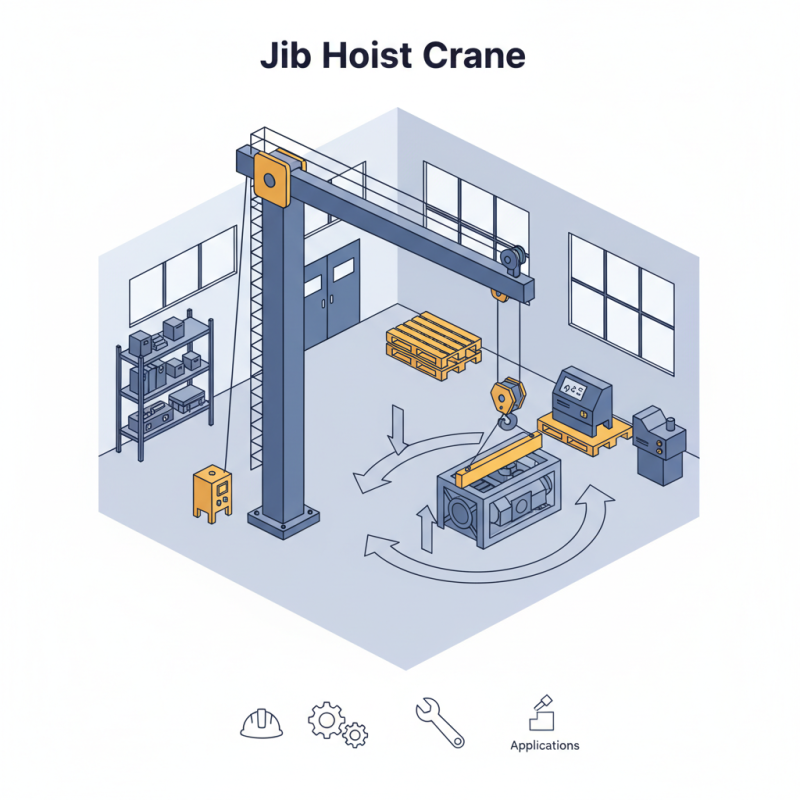
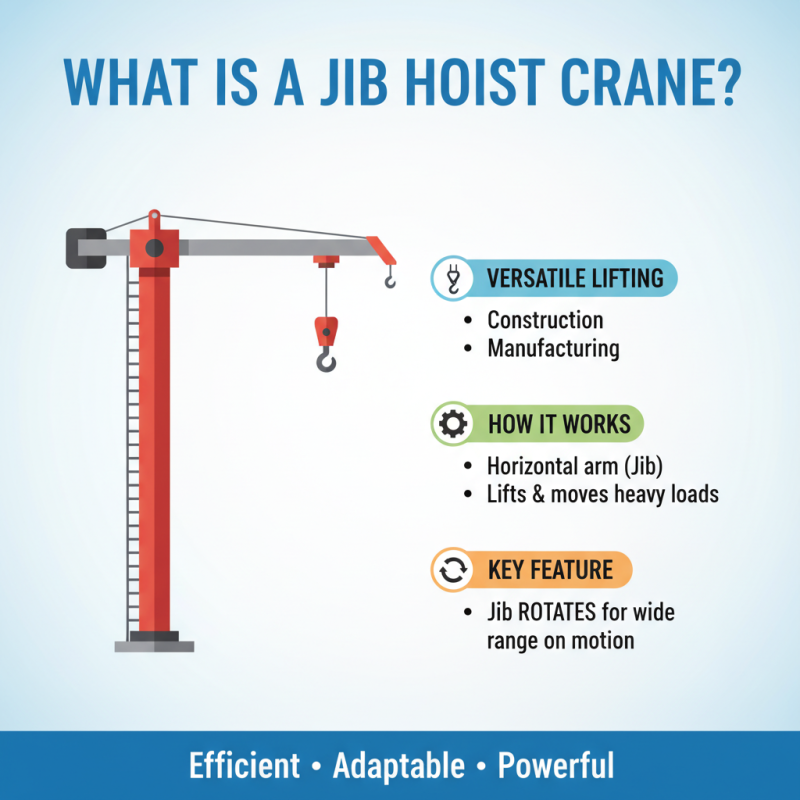
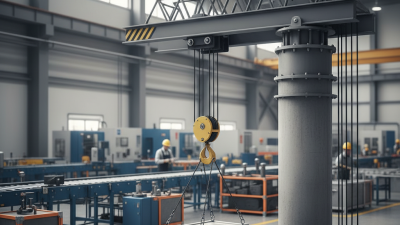
A jib hoist crane is a versatile lifting device commonly used in construction and manufacturing. It features a horizontal arm, or jib, that extends outwards. This design allows it to lift and move heavy loads from one point to another efficiently. The jib can rotate, providing a wide range of motion.
These cranes are often mounted on a fixed post or on a movable platform. Their compact design saves space, making them ideal for tight work areas. When operating a jib hoist crane, safety precautions are essential. Operators must be trained to handle the load safely. Proper maintenance is also crucial to prevent accidents.
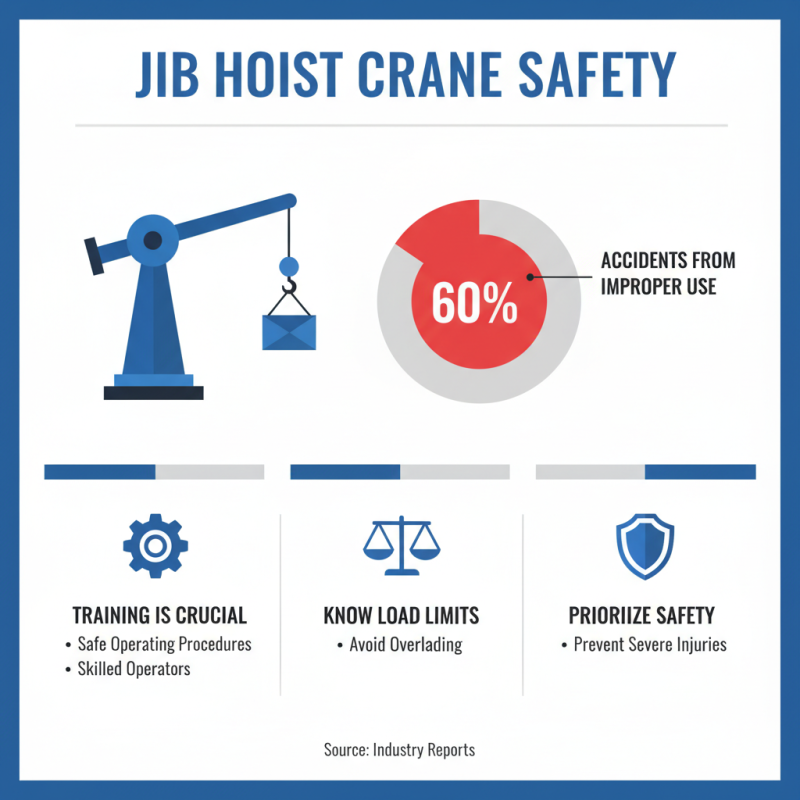
Despite its advantages, the jib hoist crane has limitations. It may struggle with heavier loads or in high winds. Operators sometimes ignore weight limits, leading to potential hazards. Awareness and caution can enhance the effectiveness of these cranes in everyday operations.
Key Components of a Jib Hoist Crane
A jib hoist crane is designed for lifting heavy loads in various construction and industrial settings. Its key components play a critical role in its function. The main structure of the crane is typically a horizontal beam, known as the jib. This beam supports the hoisting mechanism and allows for horizontal movement. It is essential that the jib is robust and stable to ensure safety.
Another vital component is the hoist itself, which is responsible for lifting and lowering objects. The hoist may be operated manually or powered electrically. Proper maintenance of the hoist is crucial. A malfunction can lead to accidents. The crane's base also supports the entire structure. A sturdy foundation minimizes vibration and enhances stability during operations.
Moreover, the support structure, which can include columns or brackets, holds everything in place. Each part must be correctly aligned. Misalignment can cause stress and potential failure. Operators should regularly inspect these components for wear and tear. Small issues can escalate if not addressed. Understanding these key components is essential for safe and efficient operation.
How Jib Hoist Cranes Operate
Jib hoist cranes are vital in construction and manufacturing. They provide a stable platform for lifting heavy loads. Understanding how they operate can help in ensuring safety and efficiency.
Jib cranes consist of a horizontal arm (jib) attached to a vertical post. The jib moves in an arc, allowing for lateral movement. According to industry reports, these cranes can lift loads ranging from 500 pounds to over 10 tons. They excel in tight spaces. The design permits close proximity to walls and equipment. This feature enhances their versatility on job sites.
Tips: Regular maintenance is crucial. Inspect cables and pulleys often. A quick check can prevent accidents. Training operator skills is equally important. Knowledge of weight limits and proper signals reduces mishaps.
Choosing the right crane for your project matters. Each site has different requirements. Not every jib crane will fit all situations. Assessing load capacity and available space is necessary. Operators must adapt their strategies based on specific tasks. A thoughtful approach can improve performance and safety.
What is a Jib Hoist Crane and How Does It Work?
| Feature |
Description |
| Type |
Jib Hoist Crane |
| Main Component |
Jib Arm |
| Typical Use |
Material Handling in Construction Sites |
| Load Capacity |
Up to 5 tons |
| Operation Method |
Electric or Manual Control |
| Key Advantage |
Flexible Reach with Limited Space Requirements |
| Safety Features |
Emergency Stop, Load Limit Switch |
| Installation Location |
Fixed or Mobile on Construction Sites |
Applications of Jib Hoist Cranes in Various Industries
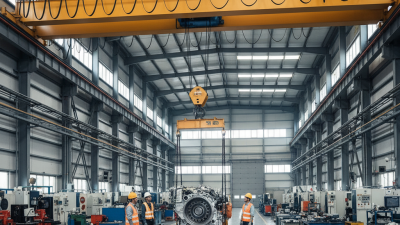
Jib hoist cranes are versatile tools in various industries. They provide efficient lifting solutions in tight spaces. Many factories use them for assembly lines. They help lift heavy materials with precision. Construction sites also benefit. Jib hoists can move steel beams and concrete blocks easily. Their rotating arms offer flexibility, minimizing the need for additional equipment.
In warehouses, jib hoist cranes streamline loading and unloading. Workers can easily maneuver heavy goods. This saves time and effort. However, operators must be trained well. Misuse can lead to accidents. It's vital to conduct regular maintenance checks. Neglecting equipment can result in safety hazards.
Tip: Always check the load limits before operating a jib crane. Overloading can damage the equipment. This practice ensures longer lifespan and reliability. Another important aspect is clear communication among team members. Signals should be understood to avoid confusion. Proper training reduces risks significantly.
Applications of Jib Hoist Cranes in Various Industries