What is an Overhead Hoist Crane and How Does It Work?
In the realm of industrial lifting solutions, the "Overhead Hoist Crane" stands as a pivotal tool. According to Dr. Emily Sinclair, a leading expert in material handling, "Understanding how an Overhead Hoist Crane operates is key to improving workplace safety." Her insights highlight the importance of grasping not just functionality but also the risks involved.
An Overhead Hoist Crane operates through a system of beams and hoists to transport heavy loads. It is widely used in factories, warehouses, and construction sites. Users must be trained to operate them safely. Despite their efficiency, they can pose hazards if used incorrectly. The complexity of operations requires ongoing education and experience.
In modern industries, a well-functioning Overhead Hoist Crane can optimize workflow. However, its deployment must be approached thoughtfully. Operators should constantly evaluate safety protocols and maintenance routines. Reflecting on past incidents can lead to better practices. Embracing both the technology and its inherent challenges ensures safer lifting operations.
Definition and Overview of Overhead Hoist Cranes
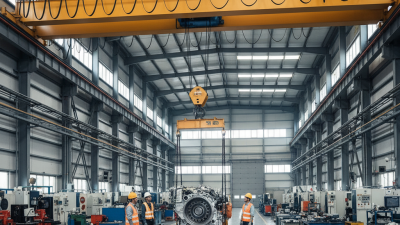
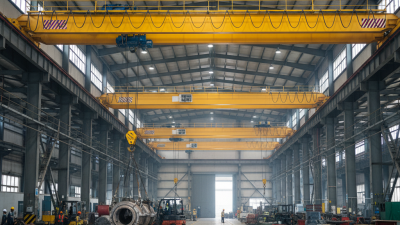
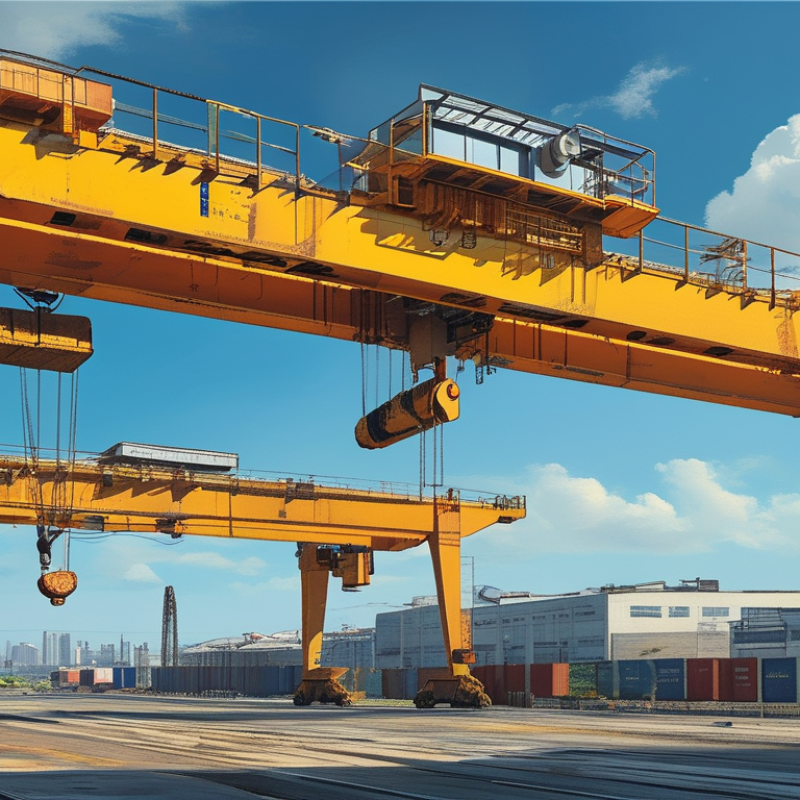
Overhead hoist cranes are essential tools in many industrial settings. They provide efficient material handling solutions for heavy loads. This crane system usually consists of a bridge that spans the width of a workspace. A hoist, located on the bridge, lifts and moves materials with ease.
These cranes function by suspending a load from a hook or other attachment point. The operator controls the movement through a pendant, remote control, or wireless system. Proper maintenance is crucial to ensure smooth operation. Operators must conduct regular safety checks. Neglecting this aspect can lead to accidents or equipment failure.
Using overhead hoist cranes requires proper training and expertise. Operators should understand load limits and stability factors. In some cases, operators may face challenges, such as limited space or difficult angles for lifting. These factors can complicate maneuvers and require creative solutions. Recognizing these imperfections allows for better planning and execution in daily operations.
Key Components of Overhead Hoist Cranes
Overhead hoist cranes are essential in various industries. They assist in lifting and moving heavy loads safely. Understanding their key components can help ensure efficient and safe operations.
One crucial component is the hoist, which powers the lifting. The hoist can be electric, pneumatic, or manual, depending on the application. It features a hook or a lifting attachment that secures the load. Next is the trolley, which moves along the beam. The trolley's design affects how the load moves in the workspace. Pay attention to the trolley's speed and movement capabilities. Lastly, the crane structure itself plays a vital role in stability.
Tips: Regular maintenance of the hoist and trolley is essential. Check for wear and tear frequently. Unaddressed issues can lead to accidents. Training for operators is equally important. Proper training reduces risks during operation. Ensuring staff understands how to use the crane will improve safety and efficiency. Proper inspections can prevent costly downtime.
Overhead Hoist Crane Load Capacity Analysis
How Overhead Hoist Cranes Function: Mechanisms and Operations
Overhead hoist cranes are valuable tools in warehouses and manufacturing facilities. They lift heavy loads with ease. A typical system includes a hoist, trolley, and bridge. The hoist raises and lowers objects. It operates via an electric motor or manual crank. The trolley moves horizontally along the bridge, allowing for precise placement of materials.
The crane's operation relies on well-engineered mechanisms. Moving parts must be synchronized for safety and efficiency. Operators often require training to manage loads effectively. Each lift presents unique challenges. Operators must assess load weight and center of gravity. Underestimating these factors can lead to accidents.
Maintenance is crucial for reliable function. Regular inspections can prevent breakdowns. Operators should be vigilant for wear and tear. Components like cables and pulleys need attention. Neglecting these details can result in costly repairs. Moreover, understanding load specifications is essential. Overloading can compromise crane integrity. Proper practices ensure safety and a longer lifespan for overhead hoist cranes.
Safety Features and Considerations for Overhead Hoist Cranes
Overhead hoist cranes are essential in various industries, providing efficient lifting and moving capabilities. However, safety features are crucial to prevent accidents and guarantee operator protection. According to a report by the Occupational Safety and Health Administration (OSHA), workplace accidents involving cranes can lead to serious injuries. Thus, it’s vital to implement robust safety measures.
One important safety feature is the load limiter. This device ensures the hoist does not lift excessive weight. When the load exceeds the limit, the system prevents further lifting. Regular inspections and maintenance help identify malfunctioning components. A study from the Crane Safety Alliance indicates that more than 50% of crane accidents are due to equipment failure.
Operators must also receive comprehensive training. Understanding the crane’s features, load capacities, and safe operating procedures is vital. Inadequate training can lead to misuse. A report from the National Institute for Occupational Safety and Health (NIOSH) states that improper use contributes to nearly 40% of all crane incidents. Continuous education on safety protocols can significantly reduce these risks.
Applications and Industries Utilizing Overhead Hoist Cranes
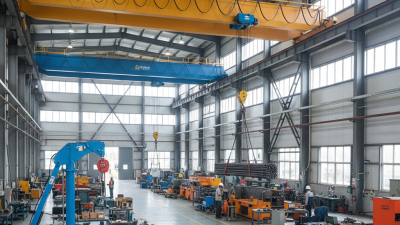
Overhead hoist cranes are essential in many industries. They lift and move heavy loads efficiently. Factories, warehouses, and construction sites widely utilize these cranes. Their design allows for precise movements of materials in limited spaces.
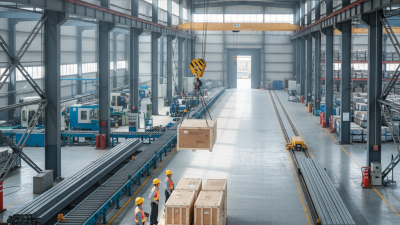
In manufacturing, overhead hoist cranes streamline production processes. They transport raw materials to assembly lines. In warehouses, they assist in storing and retrieving heavy goods. Construction companies rely on these cranes for hoisting steel beams and heavy machinery. These cranes enhance safety, reducing manual lifting risks.
Tips: Regular maintenance is crucial. Check cables and brakes often. Train operators thoroughly to avoid accidents. Always follow safety guidelines. Evaluating the load capacity is vital to prevent mishaps. These small practices make significant differences in operational efficiency and safety.