2026 How to Select the Right Girder Crane for Your Business Needs?
Selecting the right Girder Crane is crucial for ensuring productivity and safety in industrial operations. The global crane market is anticipated to grow significantly, with projections indicating an increase from $30 billion in 2021 to over $50 billion by 2026, reflecting a compound annual growth rate (CAGR) of approximately 10%. This growth accentuates the need for businesses to make informed decisions about their lifting equipment.
Understanding the specific requirements of your operations is essential. Different industries, such as construction and manufacturing, have unique lifting needs. For instance, a report from the Occupational Safety and Health Administration (OSHA) highlights that improper crane selection contributes to 90% of accidents in lifting operations. Thus, choosing the right Girder Crane not only enhances efficiency but also minimizes risks associated with operational hazards.
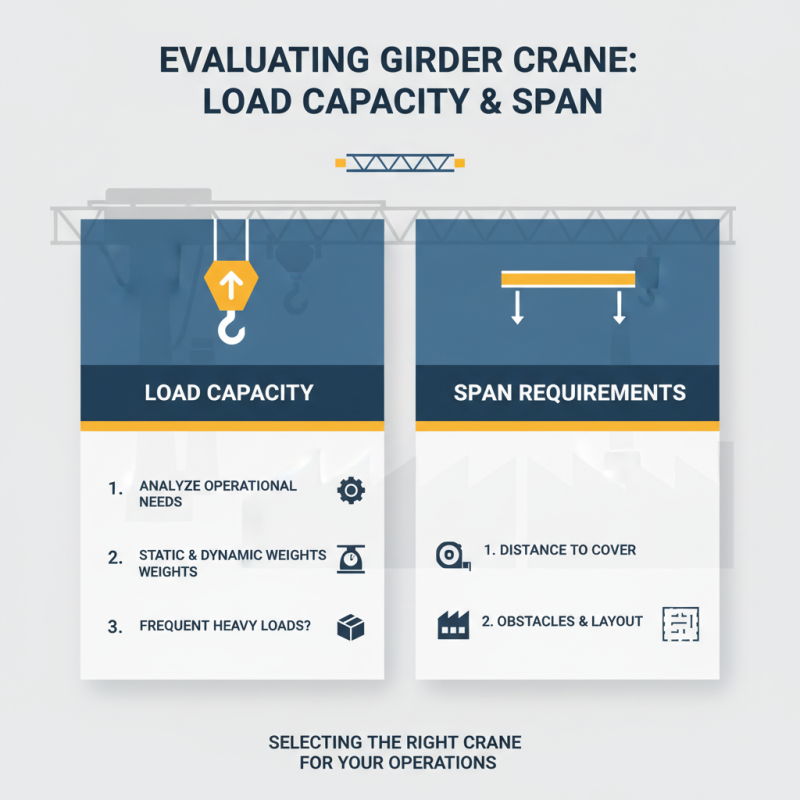
Moreover, not all Girder Cranes are created equal. Factors like load capacity, span length, and operational environment must be assessed. While many companies opt for cost-effective solutions, this should not compromise safety or efficiency. Thoughtful consideration of these elements will ultimately shape the success of your investment in a Girder Crane and its impact on your business's future.
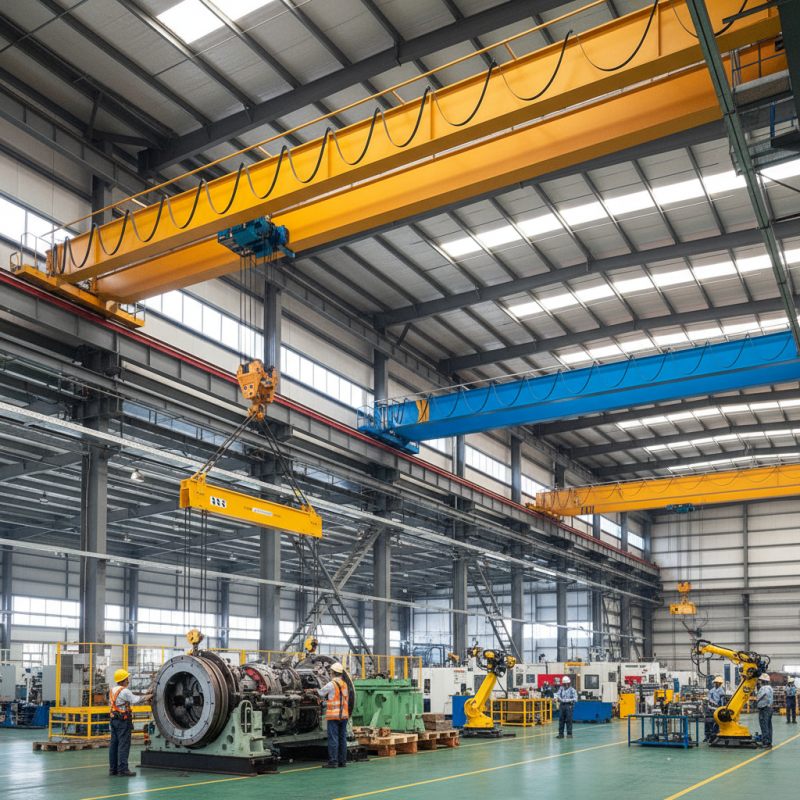
Factors to Consider When Choosing a Girder Crane for Your Business
Selecting the right girder crane for your business is crucial. Many factors impact this decision. The load capacity must align with your typical lifting needs. Consider the weight and dimensions of your loads. A crane that can’t handle your heaviest materials may lead to costly downtime.
Understand the type of work environment too. Outdoor cranes need weather resistance features. Indoor settings require differences in height and maneuverability. Space constraints also play a role. Measure your workspace before making a choice.
**Tips:** Assess future growth. Will your business expand? If so, investing in a crane with a higher capacity might save you money later.
Maintenance costs shouldn't be overlooked. How easy is it to service the chosen crane? Inaccessible parts can lead to increased downtime. Prioritize cranes with user-friendly maintenance features.
**Tips:** Consult with industry experts. Their advice can offer insights tailored to your specific needs. Use their knowledge to guide your selection process. Ultimately, make a thoughtful decision by weighing all factors carefully.
2026 How to Select the Right Girder Crane for Your Business Needs?
| Factor |
Description |
Importance Level |
Considerations |
| Load Capacity |
The maximum weight the crane can handle. |
High |
Determine the heaviest load you will lift. |
| Span Length |
Distance between the crane supports. |
Medium |
Measure the space where the crane will operate. |
| Height |
The height from the floor to the hook. |
Medium |
Consider overhead clearance and any equipment. |
| Power Source |
Type of energy needed to operate the crane. |
High |
Select between electric, hydraulic or manual power. |
| Environment |
Type of environment where the crane will be used. |
High |
Evaluate indoor vs. outdoor use and exposure to elements. |
| Safety Features |
Features that ensure safe operation. |
High |
Look for emergency stops, limit switches, etc. |
Understanding Different Types of Girder Cranes and Their Applications
When selecting a girder crane, understanding its types is crucial. There are several variations, including single girder and double girder cranes. Single girder cranes are lighter and ideal for smaller spaces. They typically offer lower lifting capacities but can excel in cost-effectiveness for less demanding applications. On the other hand, double girder cranes can support heavier loads and longer spans. Their robust design makes them suitable for industrial settings requiring high precision.
Applications differ widely based on the crane type. For instance, single girder cranes are often found in warehouses, used for routine lifting tasks. They can efficiently navigate tight areas. Conversely, double girder cranes are more common in heavy manufacturing environments. They handle larger capacity materials and complex operations.
It's also essential to consider the installation and maintenance aspects. Proper installation can impact the crane's performance. Regular maintenance ensures longevity, but it can be overlooked. Mistakes in these areas can hinder productivity. Understanding these nuances helps businesses make informed decisions when choosing the right girder crane for their needs.
Assessing Safety Standards and Regulatory Compliance in Crane Selection
When selecting a girder crane, safety standards and regulatory compliance are critical factors. Understanding local regulations can make a significant difference. Not all manufacturers prioritize safety features the same way. You may find some cranes lack essential safety mechanisms. This can lead to potential accidents and costly downtime.
Ensuring compliance with safety standards builds trust within your team. Employees should feel secure operating the equipment. Consider requesting documentation that confirms adherence to industry standards. Be mindful of the certification process. Some cranes may appear safe but lack thorough testing.
Evaluate the crane's design for safety features. Look for overload protection, emergency stops, and warnings. These elements can reduce risks significantly. However, improper training can negate these advantages. Ensure that operators receive comprehensive training tailored to their specific equipment. Regular inspections also play a key role in maintaining safety and compliance over time.
2026 How to Select the Right Girder Crane for Your Business Needs?
Assessing safety standards and regulatory compliance is crucial when selecting a girder crane for your business. The following chart illustrates the importance of various safety features based on survey results from industry professionals.
Cost Analysis: Investing in the Right Girder Crane for Long-Term Benefits
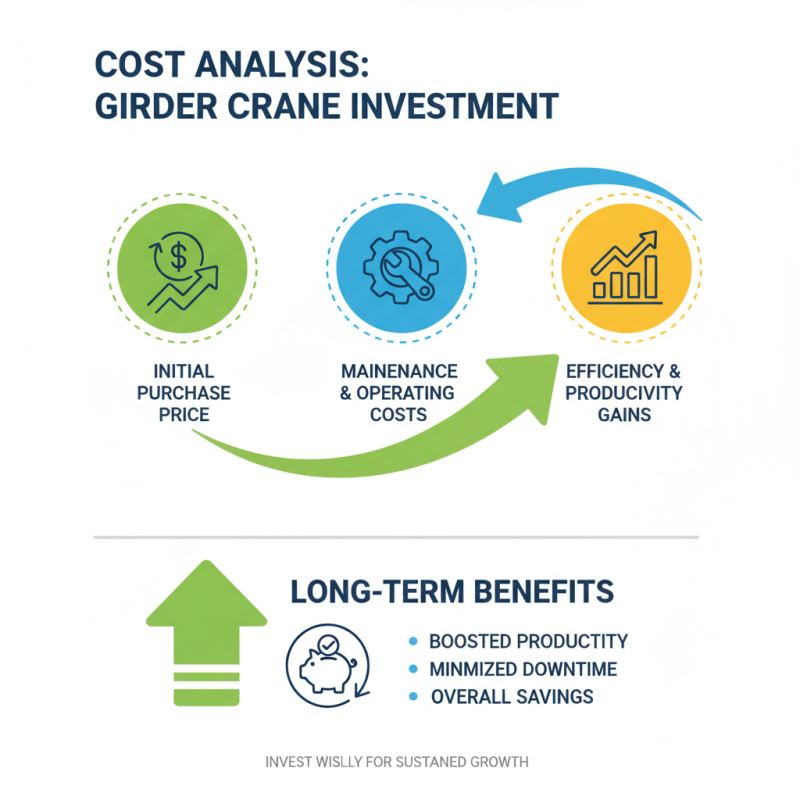
When investing in a girder crane, cost analysis is paramount. The initial purchase price is just one part of the equation. You must consider long-term benefits, maintenance costs, and efficiency improvements. A well-chosen crane can boost productivity and minimize downtime, leading to savings over time.
Tips for selecting the right girder crane include assessing your workload needs and future growth. Understand your lifting capacity requirements and frequency of use. A crane that meets today's demands may not suffice tomorrow. Don't overlook the importance of ease of use and safety features; these factors contribute to overall efficiency.
Additionally, factor in potential repair and maintenance expenses. A cheaper model might save money upfront, but could incur higher costs later. Invest in quality materials and components to ensure reliability. A crane is a significant investment, and choosing wisely can lead to considerable returns. Evaluate your options carefully; the right decision today can yield stable performance for years.