Why You Should Shop Overhead Crane for Your Industrial Needs?
When considering efficiency and safety in industrial operations, choosing the right equipment is paramount. One essential option is the overhead crane. Many businesses often overlook this vital machinery and its numerous advantages. Therefore, it is crucial to shop overhead crane thoughtfully.
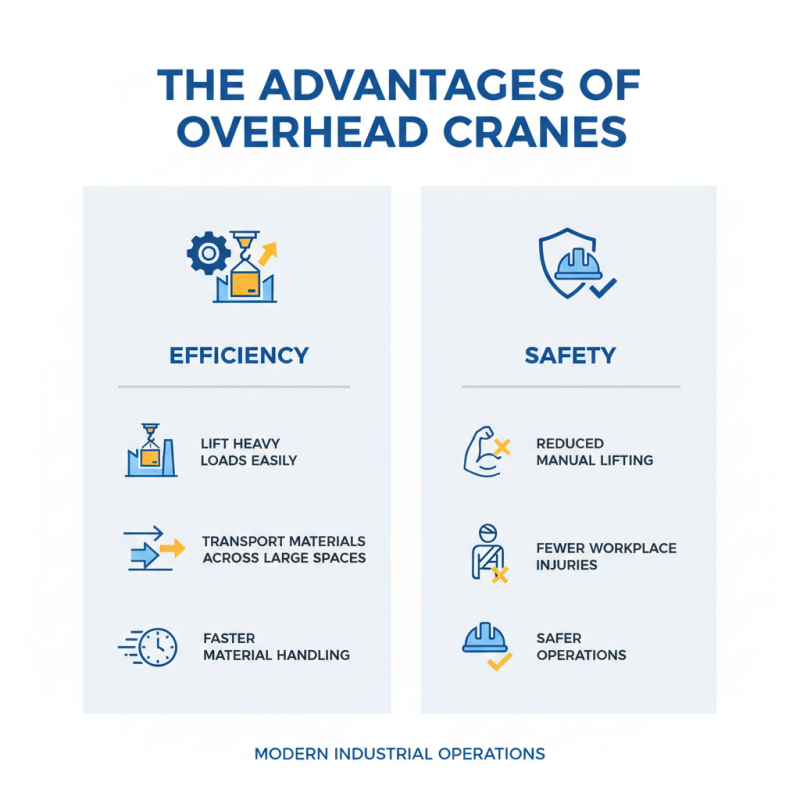
Investing in an overhead crane can significantly enhance productivity. This equipment streamlines lifting processes and reduces manual labor risks. Moreover, it accommodates various weights and loads, which is essential in an industrial setting. Yet, many face challenges in selecting the best model. Not every crane suits every application. Therefore, it's vital to evaluate specific needs carefully.
Reliability is another critical factor when you shop overhead crane. The right choice can prevent costly downtimes and safety hazards. However, the market offers various options, which can be overwhelming. Taking the time to research quality, brands, and performance can make a significant difference. Ultimately, ensuring the best crane meets your operational requirements is an investment in your business's future.
Understanding the Basics of Overhead Cranes in Industrial Applications
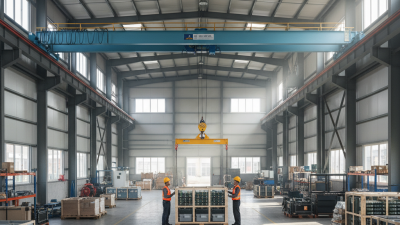
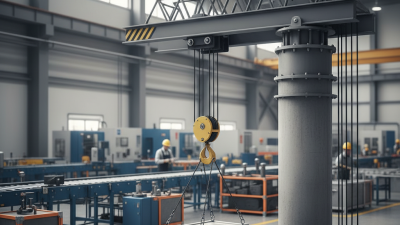
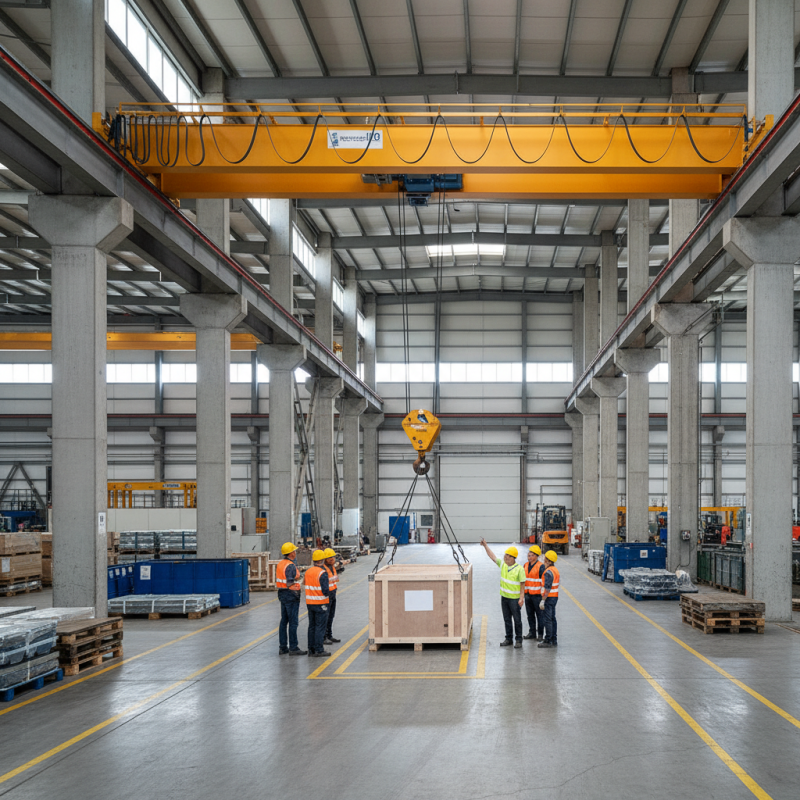
Overhead cranes play a vital role in various industrial applications. They are specifically designed to lift and move heavy materials with precision. In manufacturing facilities, they aid in streamlining processes and enhancing productivity. Operators can shift loads quickly across large spans without additional labor, making tasks safer and more efficient.
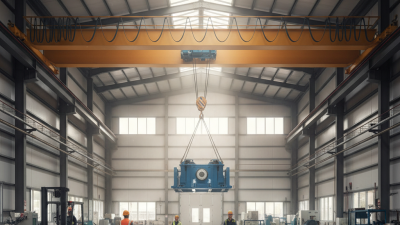
Understanding the basics of overhead cranes is crucial. They consist of several components, including the bridge, hoist, and trolley. Each part must work in harmony for optimal performance. Regular maintenance is necessary to avoid breakdowns. Even minor issues, if overlooked, can lead to serious accidents. Operators should also be trained properly to handle these machines safely.
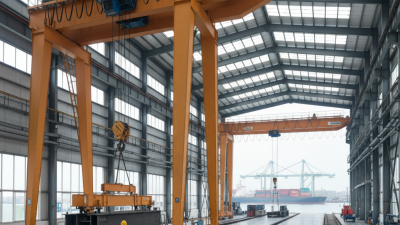
Overhead cranes are versatile and can adapt to different environments. However, they also require careful planning and consideration. Not all settings are suitable for every type of crane. Assessing your needs is essential before making a purchase. Investing time in understanding these machines can lead to significant long-term benefits for your industrial operations.
Key Features to Consider When Choosing an Overhead Crane
When choosing an overhead crane for industrial applications, several key features demand your attention. First, the load capacity is crucial. Assess the maximum weight the crane will lift. This ensures safety and efficiency. Incorrect capacity can lead to accidents. Also, consider the span and lift height. These dimensions will affect where the crane can be effectively used.
Another important factor is the crane's control system. Opt for user-friendly controls that allow for precise movements. Simplified controls can reduce operator errors. Then there's the power source. Electric cranes are popular for their efficiency. However, hydraulic options may suit specific applications. Each power source has its pros and cons.
Don’t overlook the crane’s durability. Materials and build quality directly impact longevity. A well-built crane reduces maintenance costs over time. Reflect on your environment, too. Corrosive or high-traffic areas may require specialized features. Plan for enough space for operation and maintenance as well. Balancing these elements with your budget may be challenging. However, investing in the right overhead crane will provide long-term benefits.
Maintenance and Operational Best Practices for Overhead Cranes
Overhead cranes are essential in industrial settings. Regular maintenance is crucial for safe and efficient operation. Implementing best practices can enhance their longevity and performance. Operators should follow specific protocols to ensure peak performance. Routine inspections should be part of the daily work schedule. Check the hooks, chains, and electrical systems for defects. Address any problematic areas immediately.
Training for operators is vital. Knowledgeable staff can reduce accidents and downtime. They should understand the load limits and proper rigging techniques. Recognizing unusual sounds can prevent bigger issues. Proper use of personal protective equipment is non-negotiable.
Moreover, maintaining a clean workspace can improve crane safety. Clutter can lead to accidents or delays. Regularly evaluate the operational environment. If the area is hazardous, consider redesigning the layout. These factors contribute to a more efficient workflow. Investing time in maintenance and training pays off in the long run.
Cost Factors and Investment Returns of Overhead Crane Solutions
Investing in overhead cranes can be a game-changer for industrial operations. According to a report by Technavio, the global overhead crane market is expected to grow by over $3 billion by 2025. This growth signals a clear shift toward more efficient lifting solutions. The right overhead crane reduces labor costs and improves safety, providing a quicker return on investment.
A study by ResearchAndMarkets highlights that companies can experience up to a 30% increase in productivity through automated lifting solutions. However, the initial investment for these cranes can be significant. It's essential to consider operational costs and potential downtime. Therefore, proper maintenance practices are vital for longevity and efficiency. Many facilities struggle with regular maintenance, which can lead to increased repair costs and safety hazards.
When evaluating overhead crane solutions, businesses must factor in not just the purchase price, but also training and operational training expenses. A poorly informed choice can lead to lost efficiency and higher costs over time. Balancing upfront costs with long-term benefits is crucial for maximizing investment returns. Industry insights emphasize that educated decisions yield the best future outcomes for operational success.