Top Telescopic Jib Uses Benefits and Applications Explained?
The Telescopic Jib is a crucial piece of equipment in various industries. Its versatility makes it an essential tool on construction sites, warehouses, and more. This device can extend and retract to reach high areas, providing significant benefits in lifting loads.
In construction, the Telescopic Jib offers unmatched flexibility. Workers can efficiently carry materials to challenging locations. Its design allows for safe operation in tight spaces. However, using this equipment requires thorough training. Proper handling is essential to avoid accidents.
Despite its advantages, some issues arise. Operators may overlook maintenance, leading to performance problems. Understanding the limitations of the Telescopic Jib is crucial. Users need to be aware of weight limits and operational range. With careful consideration and training, the benefits of the Telescopic Jib can greatly enhance productivity.
Top Applications of Telescopic Jibs in Various Industries
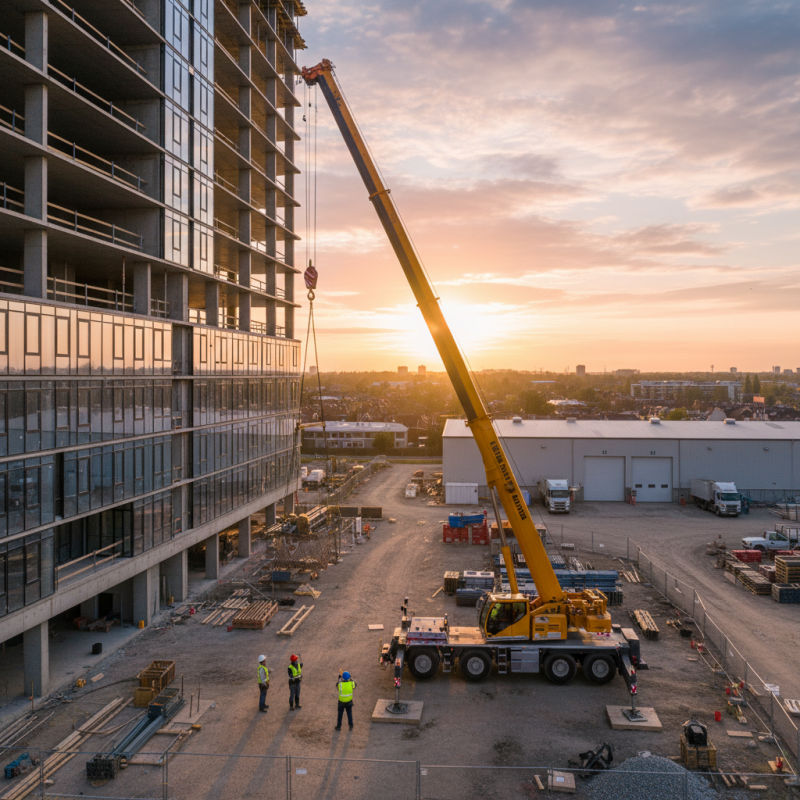
Telescopic jibs have revolutionized various industries. Their ability to extend and retract allows for remarkable versatility. In construction, these jibs are invaluable. They can lift materials to significant heights. Workers can place heavy items directly where needed. This efficiency can save time on projects.
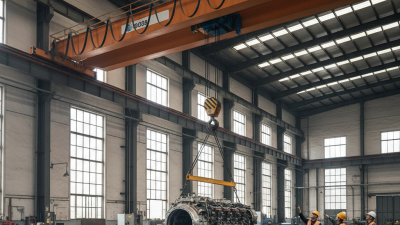
In the logistics sector, telescopic jibs excel at moving goods in tight spaces. Warehouses benefit greatly from this. The jibs can navigate narrow aisles to reach high shelves. This capability reduces manual labor and improves safety. However, operators must be trained. There is a risk of improper usage, which can lead to accidents.
Telecommunication companies also utilize telescopic jibs. They aid in installing equipment on tall structures. This application enhances service reliability. It is important to ensure the stability of the jib before starting work. Even a small oversight can have serious consequences. Thus, while the benefits are clear, careful planning is essential.
Benefits of Using Telescopic Jibs for Lifting Operations
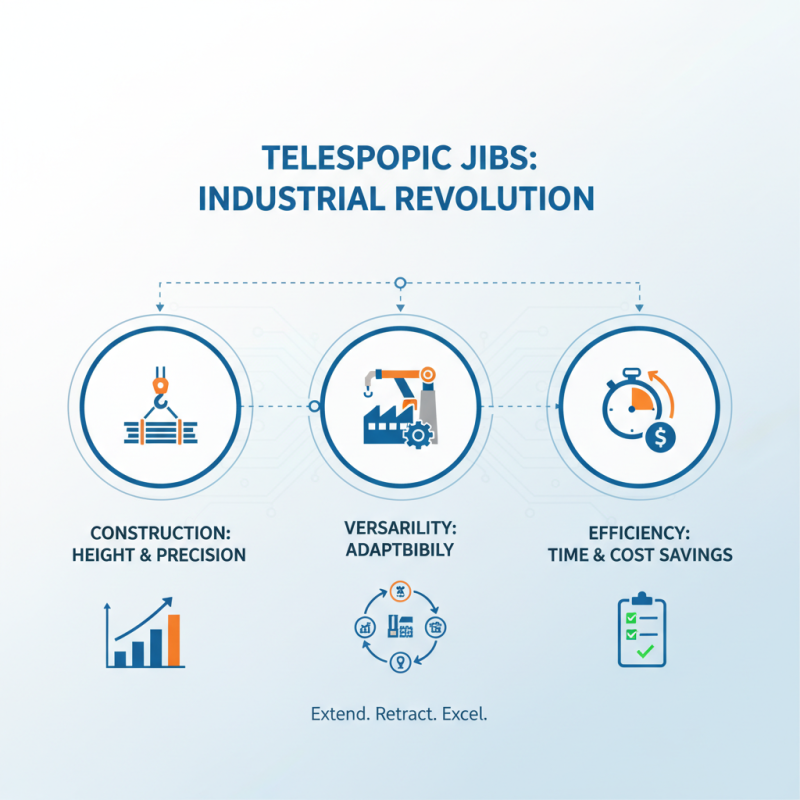
Telescopic jibs offer numerous benefits for lifting operations. These versatile tools extend and retract, making them ideal for reaching high and challenging spots. Construction sites, warehouses, and industrial settings often rely on them. Their adaptability reduces the need for multiple cranes. This can save both time and costs.
Using telescopic jibs enhances safety in lifting tasks. They provide additional reach without compromising stability. This means operators can maneuver in tight spaces. However, it’s crucial to train personnel properly. Mistakes can happen, especially with inexperienced operators. Always keep an eye on the load and surroundings.
Tips for safe use include checking load limits regularly. Always inspect the jib before operation. Look for signs of wear or damage. Training sessions should simulate real-life scenarios. This helps workers understand the risks involved. Recognizing potential hazards is vital for safety. Ultimately, telescopic jibs can improve efficiency and productivity when used correctly.
Top Telescopic Jib Uses Benefits and Applications Explained
| Application |
Benefit |
Use Case |
Lifting Capacity |
| Construction Sites |
Versatile lifting capabilities |
Moving heavy materials |
Up to 10 tons |
| Industrial Settings |
Increased efficiency |
Assembly line operations |
Up to 15 tons |
| Telecommunications |
Safe access to high installs |
Installing antennas |
Up to 5 tons |
| Warehouse Operations |
Maximized storage potential |
Stacking pallets |
Up to 8 tons |
| Events and Festivals |
Flexible setups |
Stage construction |
Up to 3 tons |
How Telescopic Jibs Enhance Safety on Job Sites
Telescopic jibs are essential tools at construction sites. They offer unique benefits, especially when it comes to safety. By extending and retracting, these jibs can reach high or awkwardly placed loads. This capability reduces the need for workers to perform dangerous maneuvers. It also allows for better stability while lifting and moving heavy materials.
Utilizing telescopic jibs improves the overall safety on job sites. They minimize the chances of accidents by keeping operators at a safer distance from hazards. However, improper use still poses risks. Operators sometimes underestimate weight limits or forget to secure loads correctly. This is where continuous training becomes vital. It's crucial for crews to reflect on these aspects and improve operation habits regularly. Awareness can truly make a difference in ensuring a safer workplace.
Maintenance Tips for Maximizing Telescopic Jib Performance
Maintaining telescopic jibs is crucial for ensuring optimal performance. Regular inspections can prevent unexpected breakdowns. A report from the Construction Equipment Association states that improper maintenance can lead to a 20% reduction in equipment lifespan. This underscores the importance of timely checks.
Operators should check hydraulic fluids monthly. Dirt or leaks can significantly impair performance. Regularly cleaning the telescopic sections is essential. Dust and debris can lead to structural wear over time. Utilizing a suitable lubricant enhances the flexibility and lifespan of the moving parts.
Training operators is equally important. Lack of understanding can lead to misuse. A study by the International Organization for Standardization highlighted that better-trained staff improve equipment usage by 30%. Identifying potential failures early can save costly repairs. However, many operators neglect this aspect. Evaluating equipment performance should be part of a routine checklist.