Top 10 Cranes Hoist Options for Efficient Lifting Solutions?
When considering effective lifting solutions, Cranes Hoist play a pivotal role. These devices are essential in various industries, enhancing productivity and safety in heavy lifting operations. The right crane hoist can significantly impact efficiency, streamline workflow, and reduce strain on workers.
Yet, navigating the vast array of options can be overwhelming. Each crane hoist comes with unique specifications and capabilities. It’s crucial to understand the specific needs of your operation. Factors such as load-bearing capacity, mobility, and power source must be considered to ensure optimal performance.
Potential pitfalls exist. Choosing a crane hoist based solely on initial cost might lead to higher long-term operational expenses. It is wise to weigh the advantages against possible drawbacks. With an informed approach, you can make choices that enhance operational effectiveness while maintaining safety standards. Exploring the top ten crane hoist options helps identify the best solutions for your needs.
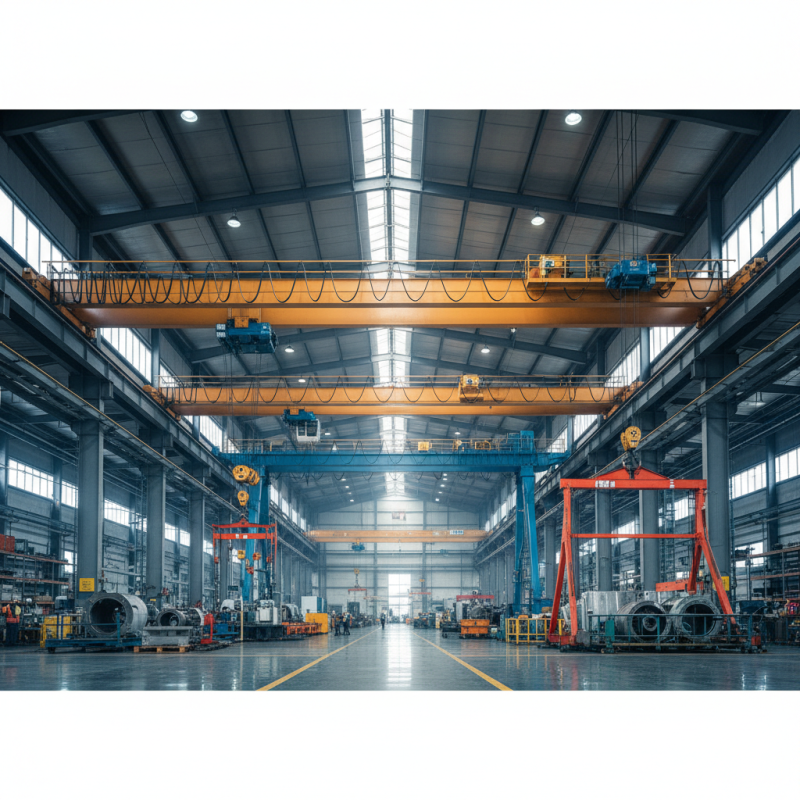
Understanding the Different Types of Cranes Hoist Available in the Market
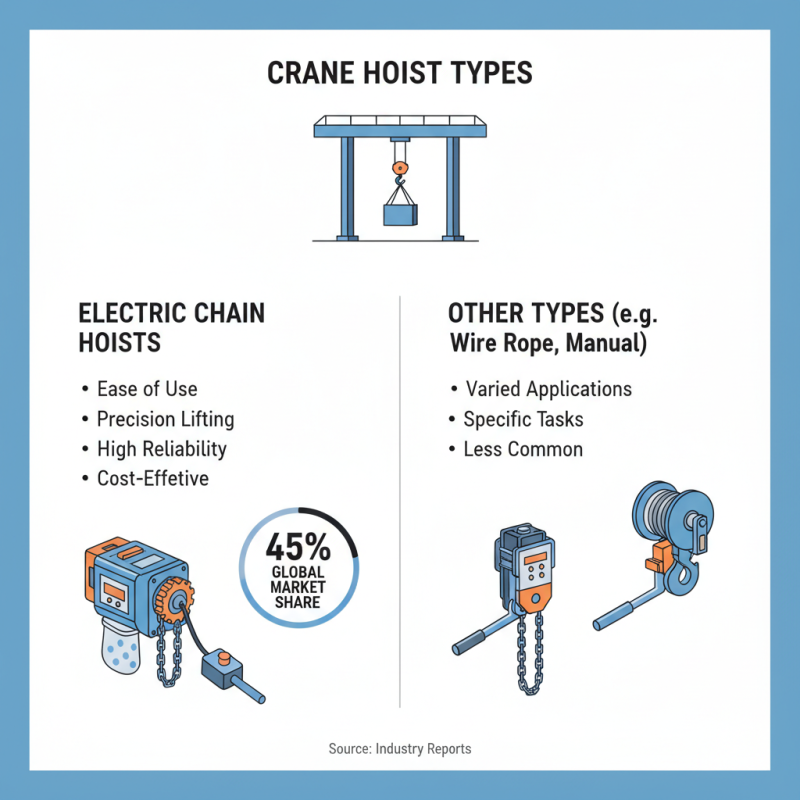
When selecting crane hoists, understanding the types available is vital for efficient lifting. The market offers various solutions tailored for different tasks. Electric chain hoists are popular due to their ease of use. They can lift heavy loads with precision and minimal effort. According to industry reports, electric hoists account for about 45% of the global market share. This popularity stems from their reliability and cost-effectiveness.
Another essential category is pneumatic hoists. These devices are ideal for environments where explosion hazards exist. They utilize compressed air, eliminating electrical risks. An estimated 20% of the market consists of pneumatic hoists, particularly in industries like oil and gas. However, their capabilities can be limited compared to their electric counterparts.
Manual hoists still hold a significant place, offering simplicity and portability. They are essential in situations where power sources may not be available. However, they demand more physical effort, which could lead to operator fatigue. Finding the right balance between efficiency and user comfort can be challenging. The diverse landscape of crane hoists requires careful consideration to meet specific operational needs.
Factors to Consider When Choosing a Crane Hoist for Your Needs
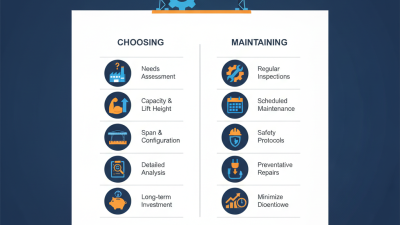
When choosing a crane hoist, many factors come into play. Understanding the lifting capacity is crucial. Know your maximum weight requirements. This ensures safety and efficiency. A hoist with insufficient capacity can lead to accidents. Consider the type of materials you'll be lifting. Different materials may require different handling techniques.
Another important aspect is the environment. Will the hoist be used outdoors or indoors? Outdoor conditions can affect the equipment's performance. Check for weather resistance. Also, think about space constraints. A hoist that is too large may hinder operations.
Durability is paramount. Investing in a robust hoist can save you money in the long run. Regular maintenance is necessary to prolong equipment life. Pay attention to the power source. Electric, air, or manual options each have their advantages and drawbacks. Your choice should align with operational needs. A well-chosen crane hoist can enhance productivity significantly. However, rushing the selection process can lead to regrets later.
Top 10 Crane Hoist Models: Features and Specifications
When selecting a crane hoist, efficiency and safety are crucial. Top models on the market are designed for varied lifting needs, often featuring both electric and manual operations. For instance, electric hoists can lift loads ranging from 0.5 to 25 tons, making them ideal for many industrial applications. Understanding the specifications of different hoists is essential for meeting project demands effectively.
Tip: Always check the weight capacity before operating a crane hoist. Each model has its limits, and exceeding them can lead to accidents.
Hydraulic hoists, known for their power, can also handle hefty loads with ease. They provide exceptional reliability, especially in tough environments. Manufacturers emphasize the importance of maintenance. A well-maintained hoist can increase lifespan and operational efficiency. Regular inspections are necessary but can easily be overlooked.
Tip: Set a maintenance schedule for your equipment. Consistency helps in identifying potential issues early.
Weight distribution plays a significant role in lifting performance. An uneven load can lead to tipping or mechanical failure. Training operators on proper weight handling is vital. They must understand basic principles of physics that affect lifting capabilities. Despite advancements, human error remains a factor in many lifting incidents.
Top 10 Crane Hoist Options for Efficient Lifting Solutions
| Model |
Type |
Lifting Capacity (Tons) |
Lift Height (ft) |
Power Source |
Weight (lbs) |
| Model A |
Electric |
5 |
10 |
Electric |
500 |
| Model B |
Pneumatic |
3 |
15 |
Compressed Air |
350 |
| Model C |
Manual |
1 |
8 |
N/A |
200 |
| Model D |
Electric |
7 |
12 |
Electric |
600 |
| Model E |
Hydraulic |
10 |
14 |
Hydraulic System |
800 |
| Model F |
Electric |
4 |
7 |
Electric |
550 |
| Model G |
Pneumatic |
2 |
10 |
Compressed Air |
300 |
| Model H |
Manual |
1.5 |
6 |
N/A |
150 |
| Model I |
Electric |
8 |
15 |
Electric |
700 |
| Model J |
Hydraulic |
9 |
20 |
Hydraulic System |
900 |
Comparative Analysis of Electric vs. Manual Cranes Hoist
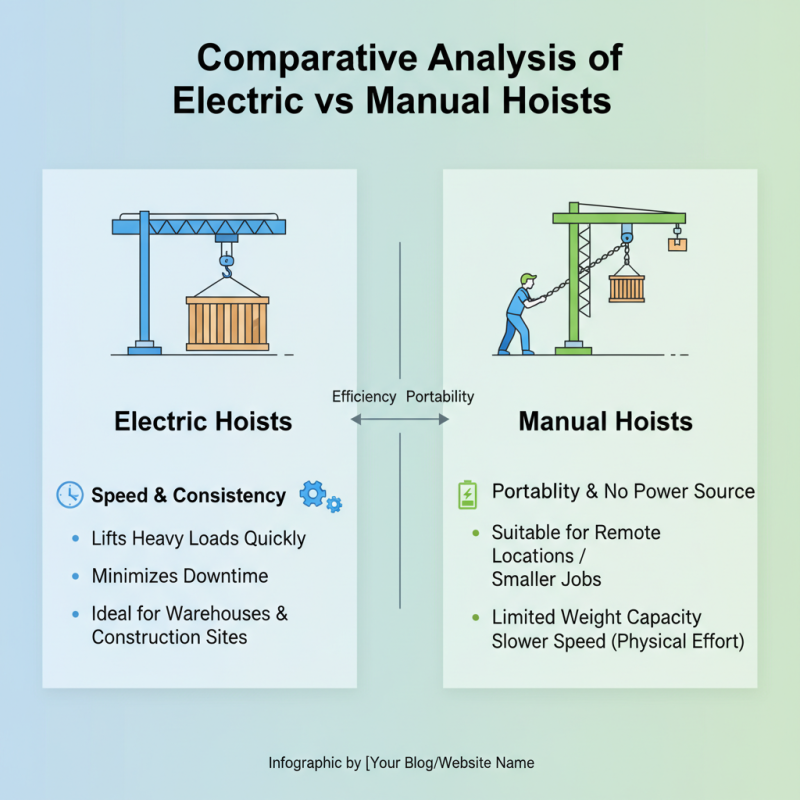
When considering lifting solutions, the choice between electric and manual cranes can impact efficiency. Electric hoists offer speed and consistency. They can lift heavy loads quickly, minimizing downtime. For warehouses and construction sites, this efficiency can translate to significant time savings. On the other hand, manual cranes stand out for their portability. They require no power source, making them ideal for remote locations or smaller jobs. However, the physical effort involved can limit the weight capacity and speed.
Both options present distinct advantages and challenges. Electric cranes often come with advanced safety features, reducing the risk of accidents. Yet, they are generally more expensive to maintain and repair. Manual cranes lack these technological benefits, but they are easier to operate and have lower upfront costs. Evaluating the requirements of a specific task is crucial. Different environments may yield different results, and trial and error can lead to better decision-making. A thorough understanding of each tool's strengths can guide users toward the most effective lifting solution.
Safety Standard Regulations for Crane Hoist Usage in Various Industries
Crane hoists play a crucial role in various industries, especially in construction and manufacturing. Adhering to safety standards is vital to ensure both operator and site safety. Effective training programs for operators can make a significant difference. Understanding load limits, proper use of safety gear, and regular equipment inspections are core components of any successful safety strategy.
Regulations often vary across industries. In construction, for example, OSHA mandates strict compliance with safety standards. The use of protective equipment must be enforced. Frequent safety audits can help identify potential hazards. Some industries may overlook these vital checks, leading to accidents.
Adding to this complexity, workers may not always report unsafe practices due to fear or oversight. Creating a culture of safety encourages open discussions about risks. Apart from technical regulations, fostering teamwork can enhance overall safety performance. Engaging workers in safety training enhances their understanding and commitment. The effectiveness of hoists relies not just on machinery but also on proactive human involvement.
Top 10 Crane Hoist Options for Efficient Lifting Solutions
This bar chart illustrates the lifting capacity (in tons) for the top 10 crane hoist options available in the industry. These options are commonly used across various sectors, ensuring efficient and safe lifting solutions.