Top Uses of Single Girder Crane in Modern Industries?
The Single Girder Crane has become a vital asset in various modern industries. Its design offers a compact and efficient lifting solution, making it suitable for tight spaces and complex operations. Many companies have adopted this crane due to its superior strength-to-weight ratio and ease of installation.
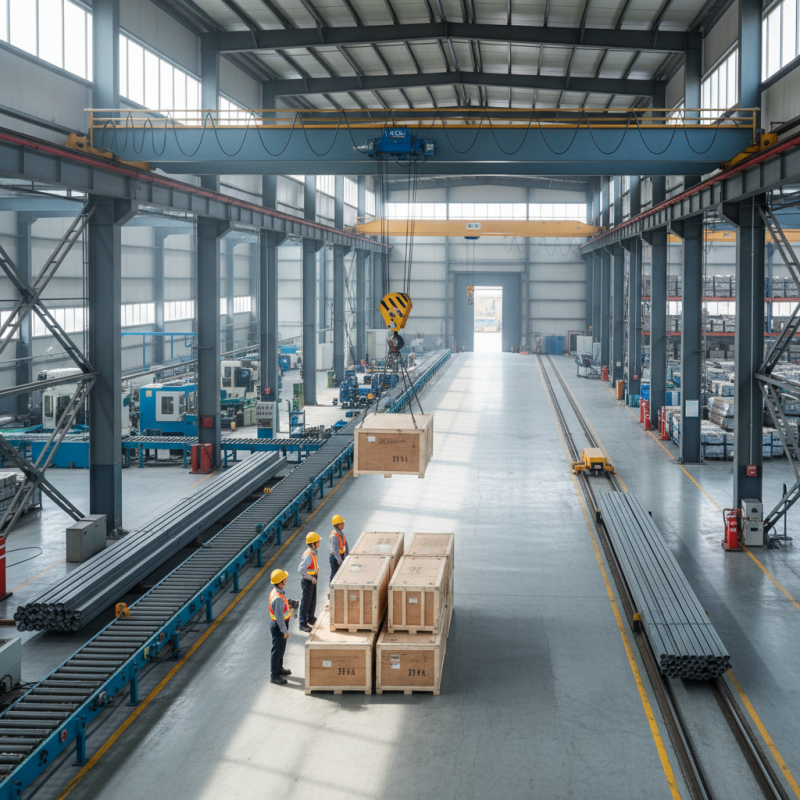
In warehouses, factories, and construction sites, the Single Girder Crane performs crucial lifting tasks. It enhances productivity by streamlining workflows and reducing manual handling risks. The crane’s versatility allows it to handle different loads, making it an indispensable tool in daily operations.
However, not all companies maximize its potential. Some neglect proper training or maintenance, leading to inefficiencies or safety risks. To fully benefit from the Single Girder Crane, industries must prioritize effective management strategies and continuous employee education. Recognizing these areas for improvement can lead to significant advancements in operational safety and productivity.
Key Features of Single Girder Cranes in Industrial Applications
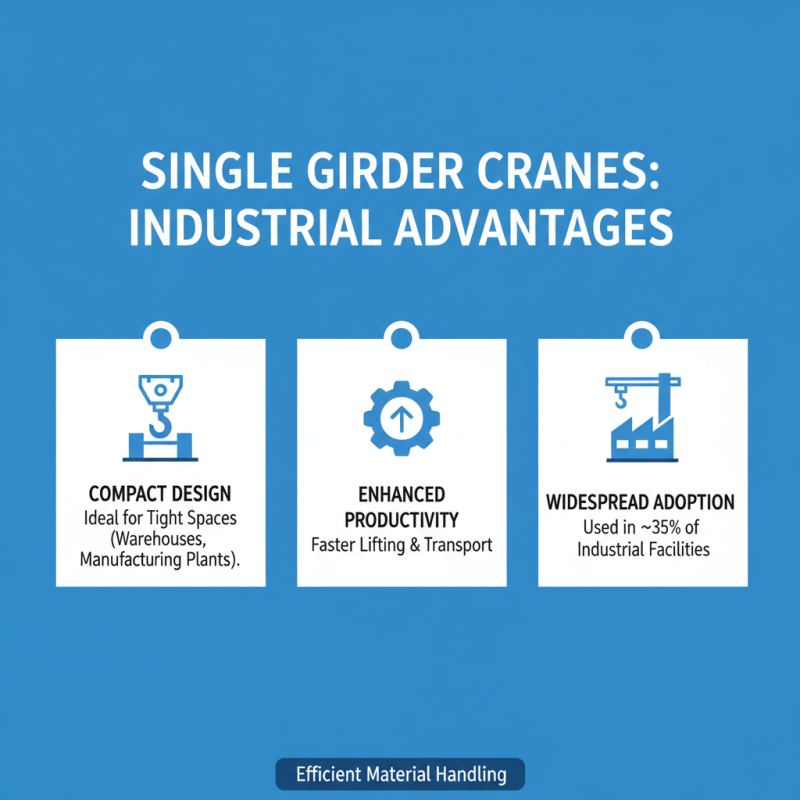
Single girder cranes have gained significant popularity in modern industries due to their efficiency and compact design. Their ability to operate in tight spaces makes them ideal for warehouses and manufacturing plants. According to industry reports, approximately 35% of facilities now utilize these cranes for material handling tasks. This tool enhances productivity by enabling faster lifting and transporting of goods.
Key features of single girder cranes include their lightweight structure and reduced maintenance requirements. These cranes usually have a lower operational cost compared to their double girder counterparts. The design promotes a higher hook height, allowing for optimal use of vertical space. Statistical data indicates that implementing single girder cranes can improve load handling efficiency by up to 20%.
While single girder cranes offer many advantages, challenges remain. They may struggle with heavier loads, making them less ideal in specific industries such as heavy construction. Users must assess their needs carefully to determine the appropriate crane type. Fluctuating material costs can also impact the overall investment in crane technology. A thoughtful approach is essential to maximize the benefits of these versatile machines.
Applications of Single Girder Cranes in Manufacturing Sectors
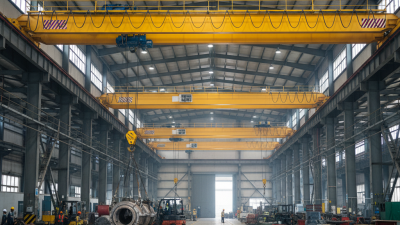
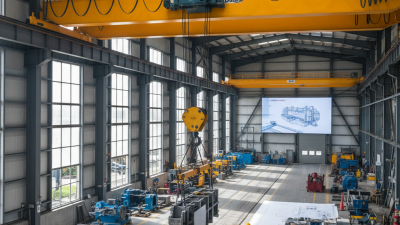
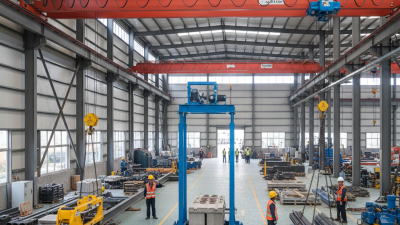
Single girder cranes play a vital role in modern manufacturing. Their sleek design allows for efficient movement of materials. These cranes are often used in warehouses and factories, where space is limited. Compact and robust, they lift heavy items with ease. This flexibility helps streamline operations and increase productivity.
In assembly lines, single girder cranes improve workflow. They assist in loading and unloading materials quickly. Workers can move components to various stations without delay. This reduces bottlenecks and enhances overall efficiency. Additionally, these cranes are suitable for maintenance tasks. They safely lift equipment for inspections and repairs.
Despite their advantages, some challenges exist. Limited lifting capacity may restrict usage in heavier industries. Operators must receive proper training to avoid accidents. Regular maintenance is essential to ensure longevity. While single girder cranes are effective, understanding their limitations is crucial for maximizing their potential in manufacturing sectors.
Top Uses of Single Girder Crane in Modern Industries
Advantages of Using Single Girder Cranes for Material Handling
Single girder cranes are gaining popularity in modern industries. They offer several advantages for material handling tasks. Their design allows for efficient use of space, making them ideal for warehouses and manufacturing plants. These cranes feature a single beam that supports the hoist and can operate in tight areas.
Efficiency is a key benefit of using single girder cranes. They are lighter than other types, which requires less power for operation. This not only reduces energy costs but also limits wear and tear on equipment. A streamlined design leads to quicker lifting cycles, enhancing productivity. However, attention must be given to load limits to prevent accidents.
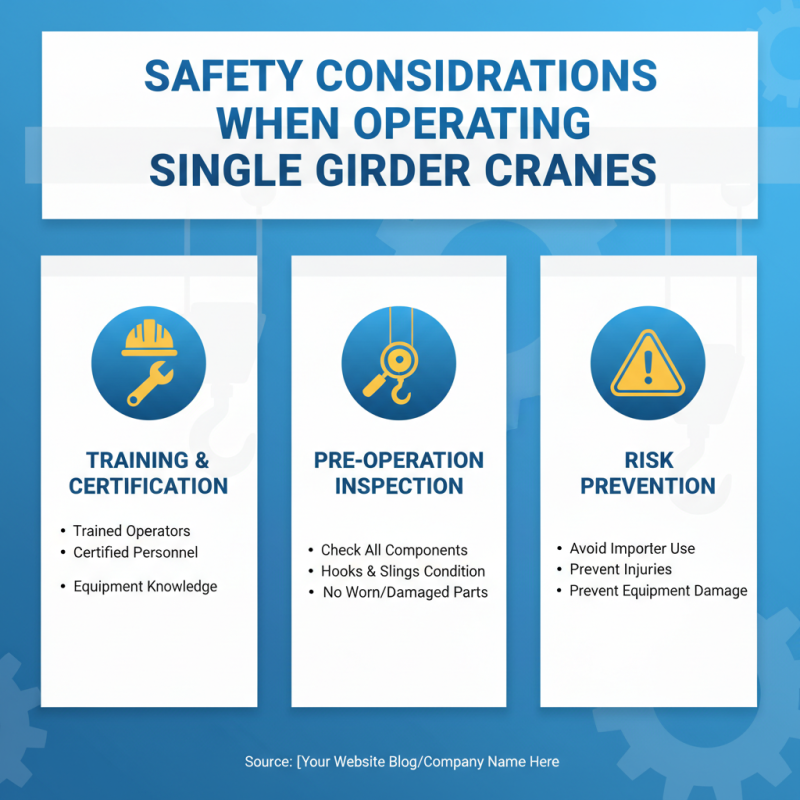
When implementing single girder cranes, consider regular maintenance to ensure safety and reliability. Regular inspections can help identify wear and potential issues early. Additionally, train operators adequately. Skilled operators can maximize the crane's functionalities while minimizing risks.
A thoughtful approach will ensure success with single girder cranes. Balancing efficiency and safety can be challenging. Reflect on operational processes frequently to identify areas for improvement. Doing so helps maintain a productive and safe working environment.
Top Uses of Single Girder Crane in Modern Industries
| Industry |
Application |
Advantages |
| Manufacturing |
Assembly Line Support |
Increases efficiency of production flow |
| Construction |
Material Handling |
Reduces manual labor and improves safety |
| Warehousing |
Loading and Unloading |
Enhances speed and accuracy in stock management |
| Logistics |
Freight Handling |
Streamlines the supply chain process |
| Mining |
Equipment Maintenance |
Increases uptime of heavy machinery |
Technological Innovations Enhancing Single Girder Crane Efficiency
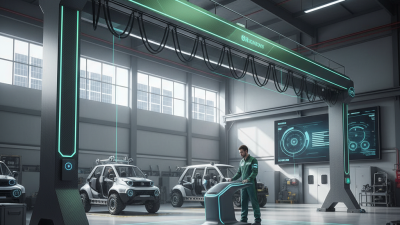
Technological innovations are transforming single girder cranes, making them more efficient than ever. These cranes are vital in modern industries. They are used in manufacturing, construction, and warehousing. With advancements in technology, their operational speed and safety features have improved significantly.
Smart sensors now enable real-time monitoring. This can help prevent overload situations. Automatic feedback systems adjust operations based on environmental changes. These features enhance safety and prevent damage. However, it's essential to ensure that operators are well-trained to use these innovations effectively. Misunderstanding technology could lead to accidents or equipment failure, requiring constant reflection on safety protocols.
Energy efficiency is another area of enhancement. New designs reduce power consumption during idle times. This improvement is critical as industries focus on sustainability. Yet, there is a challenge in balancing energy efficiency with performance. Striking this balance is not always straightforward. Continuous evaluation of technology’s impact on productivity is necessary to maximize benefits while minimizing risks.