Top Benefits of Gantry Overhead Cranes for Global Buyers?
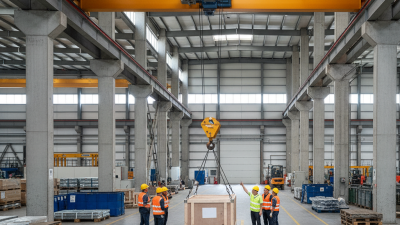
Gantry overhead cranes have emerged as a preferred choice in various industries worldwide. According to a recent market analysis by Research and Markets, the global overhead crane market is expected to grow significantly, reaching USD 5 billion by 2025. This growth underscores the increasing demand for efficient lifting solutions. Experts note that Gantry Overhead Cranes offer unique advantages in terms of flexibility and cost-effectiveness.
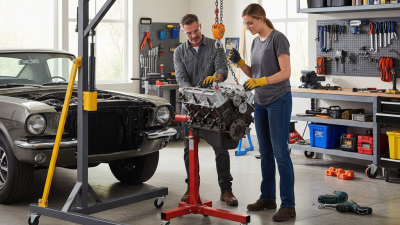
John Morris, a recognized authority in the crane manufacturing sector, emphasizes, "Gantry cranes provide unparalleled versatility for businesses in diverse environments." The cranes are designed for various applications, including construction, manufacturing, and warehousing. Their adaptability allows for easy installation and relocation, which can be crucial for dynamic operations.
Despite their benefits, buyers must consider potential challenges. While Gantry Overhead Cranes are often more economical than traditional overhead systems, initial investment costs and maintenance should not be overlooked. Understanding design specifications and load capacities remains critical. Reliable consultation with industry experts can help mitigate these concerns.
Top Benefits of Gantry Overhead Cranes for Global Buyers
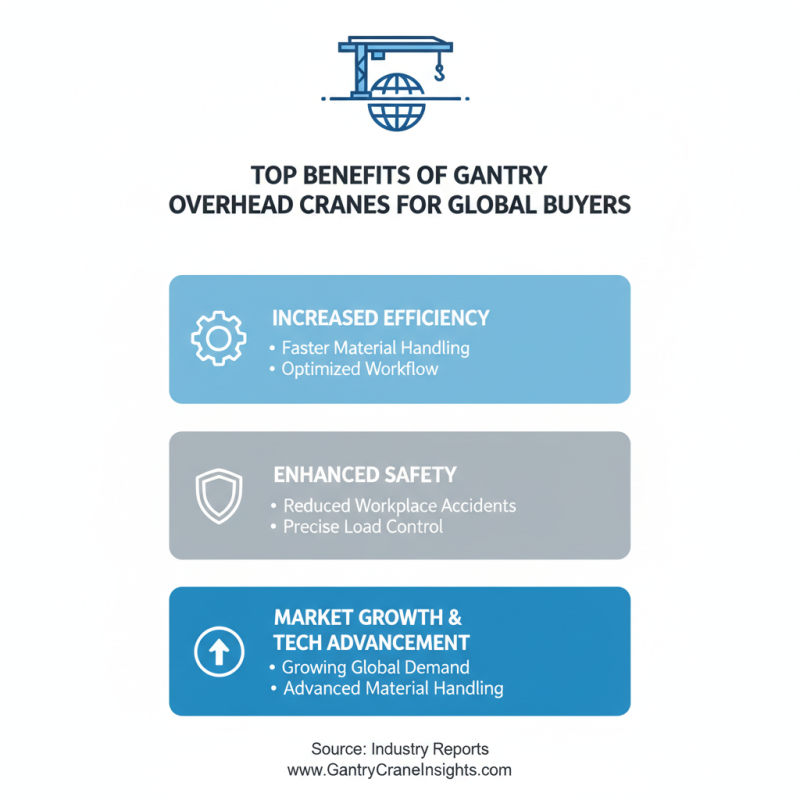
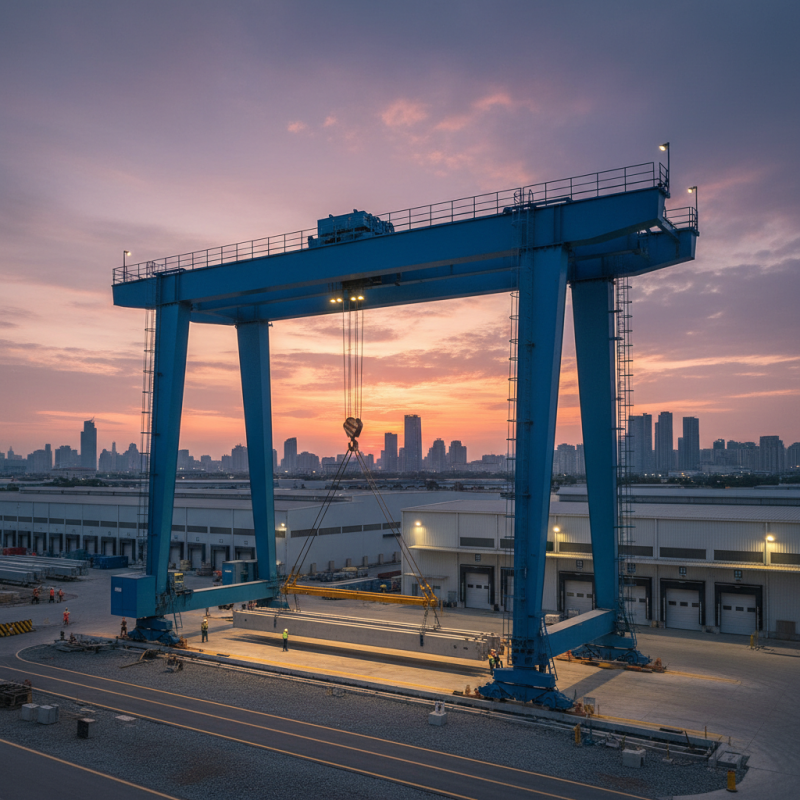
Gantry overhead cranes are increasingly popular among global buyers. These cranes offer unique advantages that improve efficiency and safety in various industries. According to industry reports, the gantry crane market is expected to grow significantly, driven by advancements in material handling technologies.
One major benefit of gantry cranes is their versatility. They can be used indoors and outdoors, accommodating different lifting heights and load capacities. A recent study highlighted that these cranes can lift loads ranging from a few hundred pounds to more than 100 tons. This adaptability makes them ideal for diverse applications, including manufacturing, shipping, and construction.
Safety is another crucial aspect. Many buyers are concerned about workplace hazards. Research indicates that gantry cranes, with their stable designs, reduce the risk of accidents. Additionally, operators appreciate the improved visibility and more controlled movements. These features ultimately foster a safer working environment, which is a priority for companies striving to meet compliance standards.
While there are many advantages, potential buyers must evaluate their space and load requirements carefully. Not every facility can accommodate larger gantry cranes. Understanding the specific needs and constraints of the operation is essential for making an informed decision.
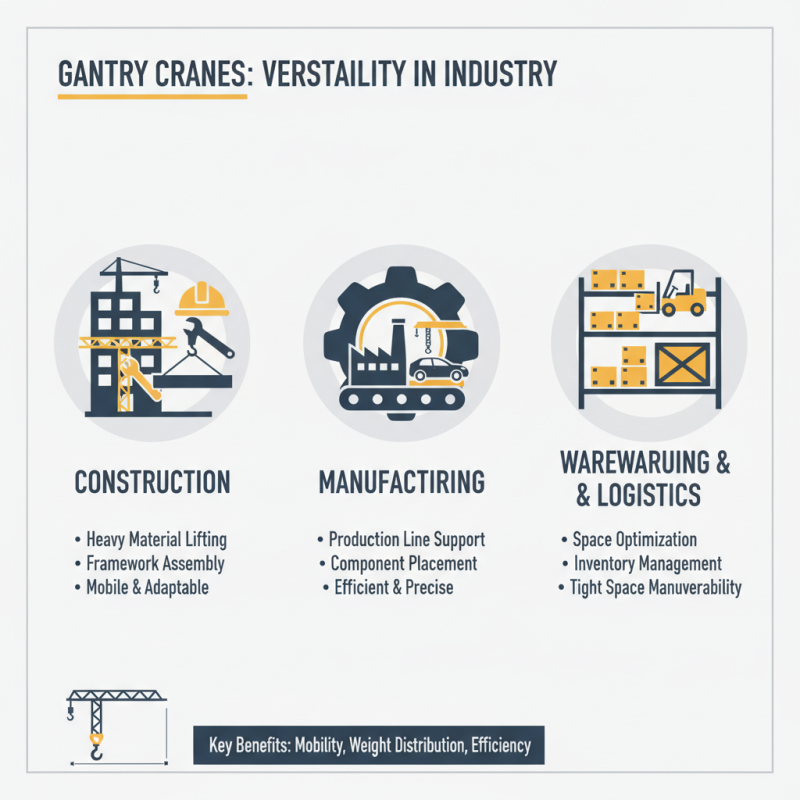
Understanding the Versatility of Gantry Cranes in Various Industries
Gantry cranes demonstrate remarkable versatility across various industries. Their unique structure allows for easy mobility and excellent weight distribution, making them suitable for tasks ranging from construction to manufacturing. In warehouse settings, they can effortlessly lift heavy materials, optimizing storage space. Operators can maneuver these cranes in tight spots, maximizing efficiency where traditional overhead cranes fall short.
Industries such as shipping benefit greatly from gantry cranes. They facilitate loading and unloading of cargo, improving overall logistics. The ability to customize gantry cranes for specific needs adds to their appeal. However, some users may overlook the importance of regular maintenance. Neglecting this can lead to operational issues and safety hazards.
In the construction sector, gantry cranes excel in lifting and positioning large structures. Their adaptability allows them to work in various weather conditions, though this can be a double-edged sword. In extreme weather, operations may be hindered. Knowing when to halt operations is crucial yet often overlooked by less experienced operators. Recognizing these subtleties can enhance safety and effectiveness in using gantry cranes.
Cost Efficiency: How Gantry Cranes Save Money for Buyers
Gantry cranes offer significant cost savings for global buyers. According to a recent industry report, these cranes can reduce operational costs by up to 20%. This reduction comes from their versatility and lower maintenance needs compared to traditional overhead cranes. A well-maintained gantry crane contributes to fewer breakdowns and delays, ensuring smoother workflows.
Additionally, the initial investment in gantry cranes often pays off quickly. Their ability to handle various loads allows companies to streamline operations. This efficiency can lead to a noticeable increase in productivity. A case study revealed that facilities using gantry cranes experienced a 15% boost in project turnaround time.
Notably, while the benefits are clear, buyers must consider potential drawbacks. Some gantry cranes require a larger workspace. In environments with limited space, this can pose a challenge. Furthermore, if the infrastructure is not optimized, installation costs may increase. These factors demand careful consideration from buyers seeking cost-effective solutions.
Safety Features of Gantry Cranes: Enhancing Workplace Security
Gantry cranes are increasingly favored in various industries due to their enhanced safety features. According to industry reports, up to 90% of workplace accidents are caused by improper handling of materials. Gantry cranes address this issue effectively.
One primary safety feature is the anti-collision system. This technology reduces the risk of accidents between the crane and the surrounding environment. A study indicated that implementing such systems can reduce accidents by up to 40%. Additionally, gantry cranes often come equipped with emergency stop buttons and load limiters, ensuring operators can respond quickly to any potential hazards.
Moreover, the design of gantry cranes contributes to safety. Their stable structure lowers the chance of tipping over, especially when handling heavy loads. Surveys show that workplaces using these cranes report a significant decrease in injury rates. The combination of advanced technology and thoughtful design makes gantry cranes a reliable choice for enhancing safety in various settings.
Comparative Analysis: Gantry Cranes vs. Traditional Overhead Cranes
When comparing gantry cranes to traditional overhead cranes, several factors emerge that lead global buyers to prefer gantry systems. According to a recent industry report by Grand View Research, the gantry crane market is projected to grow significantly, reaching a value of USD 1.41 billion by 2028. This growth indicates a shift in preference among buyers, particularly due to their versatility and affordability.
Gantry cranes provide flexibility in positioning within work environments. They do not require extensive building modifications, unlike traditional cranes. This makes them ideal for businesses that may frequently adapt their workflow. Furthermore, they can be moved easily from one location to another, a trait traditional overhead cranes lack.
Tips: Consider your workspace's layout before making a decision. Understanding how often your operations change can impact your crane choice. Evaluate long-term savings versus initial costs. Gantry cranes may appear less expensive at first, yet their operational flexibility can lead to greater cost efficiencies.
It’s essential to weigh these differences with a critical eye. While gantry cranes offer more versatility, they may not always be suitable for heavy-duty applications. Some businesses find that traditional overhead cranes provide more strength for continuous heavy loads. Balancing your specific needs against the capabilities of each type can guide you to the best decision for your operations.
Top Benefits of Gantry Overhead Cranes for Global Buyers
| Benefit |
Gantry Cranes |
Traditional Overhead Cranes |
| Cost-effectiveness |
Generally lower initial investment and maintenance costs. |
Higher upfront costs due to installation and structural requirements. |
| Flexibility |
Can be moved easily, offering flexible layout options. |
Fixed installation limits mobility. |
| Load capacity |
Suitable for a wide range of load capacities. |
Generally more suitable for heavier loads. |
| Space requirements |
Requires less vertical space. |
Requires more vertical clearance for operation. |
| Ease of Installation |
Simpler to install with minimal infrastructure. |
Complex installation requiring additional support structures. |
| Safety features |
Often includes advanced safety features as standard. |
Safety features can vary based on model and age. |