Best Garage Gantry Crane for Efficient Lifting Solutions?
In the realm of heavy lifting, the Garage Gantry Crane stands out as a reliable solution. This crane type is designed for efficiency and versatility, crucial for both professional workshops and home garages. According to industry reports, the market for gantry cranes is expected to grow at a compound annual growth rate (CAGR) of 5.1% through 2026. This growth highlights the increasing demand for safe and effective lifting solutions.
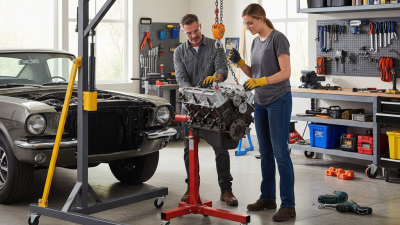
Garage Gantry Cranes are particularly valued for their ease of mobility and setup. Many models have load capacities ranging from 500 to 10,000 pounds. However, not all cranes fit every situation. It’s important to choose a crane that matches specific lifting needs. Overloading or improper use can lead to safety hazards.
Users often overlook details like height adjustments and wheel quality. These features greatly impact stability and functionality. Investing time to research options is crucial for ensuring maximum efficiency. After all, a poorly chosen Garage Gantry Crane can become more of a burden than a help.
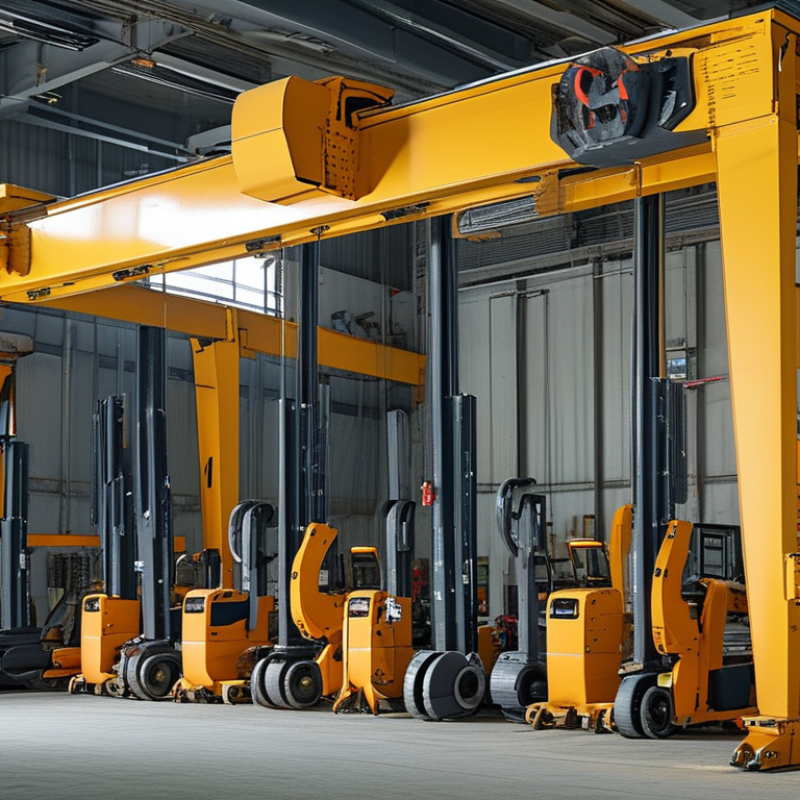
Factors to Consider When Choosing a Garage Gantry Crane
When choosing a garage gantry crane, several factors require careful consideration. First, assess the weight capacity you need. Cranes vary in their lifting capabilities. Ensure the model can safely handle your heaviest tasks. Second, look at the crane's height and span. This affects how much room you have to work. An adjustable gantry crane can provide flexibility for different projects.
Tips for selecting a crane include checking construction quality. A sturdy frame made of steel or aluminum is essential. This ensures safety and durability over time. Also, consider ease of mobility. Some cranes come with wheels for easy transport. If your workspace is small, a collapsible design can be beneficial.
Remember to check the assembly process. Some cranes may require tools or additional help. This could impact your work schedule. Safety features like locking mechanisms are crucial. They secure the crane when lifting. Ignoring these factors can lead to accidents or delays. Always prioritize reliability and quality over cost.
Best Garage Gantry Crane: Lifting Capacity Comparison
Types of Garage Gantry Cranes: Fixed, Adjustable, and Folding Models
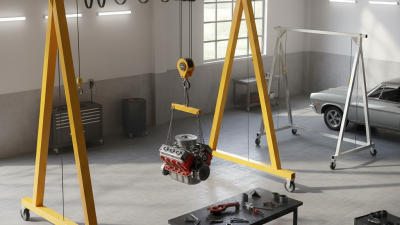
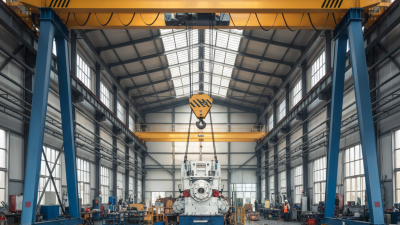
Garage gantry cranes come in various designs to accommodate different lifting needs. Among these, fixed models offer robust stability. They are ideal for large, heavy tasks in a permanent setup. However, they limit mobility. According to industry analysis, fixed gantry cranes support loads averaging between 1 to 10 tons, suitable for workshops that require consistent heavy lifting.
Adjustable gantry cranes present a versatile alternative. Their height can be modified according to the task. This flexibility allows users to handle various load sizes efficiently. Industry reports suggest that adjustable models can lift loads up to 5 tons, with configurations adaptable to numerous applications. Nevertheless, frequent adjustments can lead to wear and may impact long-term reliability.
Folding gantry cranes are the epitome of convenience. These models are portable, making them easy to store when not in use. They can typically lift up to 1 ton. However, their lightweight frame may compromise durability and stability when under heavy use. Users should weigh the convenience against potential safety concerns. Each type has its own strengths and weaknesses, which may necessitate deeper user reflection on operational needs and long-term usage plans.
Key Features of Efficient Lifting Solutions in Gantry Cranes
Gantry cranes are essential for efficient lifting operations in various industries. When choosing a gantry crane, key features are crucial for optimal performance. The most significant factor is the crane's load capacity. According to industry reports, cranes with a rated capacity of 1 ton to 10 tons are prevalent in warehouses and workshops. This range covers many typical lifting tasks.
Another critical aspect is adjustability. A good gantry crane should easily adapt to different heights and spans. Some models offer adjustable legs for versatile use, which can be particularly beneficial in confined spaces. These cranes can enhance operational efficiency by minimizing downtime during load adjustments.
Tip: Regular maintenance is vital. Inspecting the wheels, pulleys, and structural integrity ensures longevity and safety.
Mobility is also important. Gantry cranes equipped with wheels can be relocated effortlessly. This feature provides flexibility on job sites, allowing for quick adjustments and reconfiguration. However, it's worth noting that stability should never be compromised for mobility.
Tip: Always use the crane on stable, level ground to avoid tipping.
Lastly, safety features, such as emergency stops and load indicators, cannot be overlooked. These elements provide crucial reliability in heavy lifting tasks and can prevent accidents. Remember that user training is also essential. Proper education on how to operate these cranes can minimize risks and enhance workplace efficiency.
Safety Considerations for Using Garage Gantry Cranes
When using garage gantry cranes, safety is paramount. Industry data indicates that improper use accounts for 70% of gantry crane-related accidents. These include tipping, load drops, and user injuries. Ensuring a stable setup is critical. The ground must be level to prevent tipping when lifting heavy weights. Regular inspections of the crane’s integrity, such as checking for wear in the slings and wheels, can greatly reduce risks.
Furthermore, training is essential. Many accidents occur because operators lack formal training. Reports suggest that cranes operated by trained personnel are 50% less likely to be involved in accidents. A comprehensive training program includes understanding load limits, proper rigging techniques, and emergency procedures. Personal protective equipment, like hard hats and steel-toed boots, should always be worn.
Awareness of surroundings influences crane operation safety. Operators should be vigilant about nearby obstacles and other workers. Sometimes, miscommunication leads to serious accidents. Implementing clear signals or using radios can help prevent misunderstandings. Each lifting operation is unique. Reflecting on past mistakes can lead to safer practices in the future.
Maintenance Tips for Ensuring Longevity of Gantry Cranes
To ensure the longevity of gantry cranes, regular maintenance is crucial. Research shows that about 80% of crane failures stem from lack of proper care. Inspections should be scheduled routinely, focusing on structural integrity and wear. Every month, check for cracks or signs of rust on the gantry frame. These visual inspections can help identify issues early, preventing costly repairs later on.
Lubrication is another key factor in crane maintenance. A well-lubricated system functions efficiently and reduces wear and tear. The American Society of Mechanical Engineers (ASME) recommends applying lubricant every 500 hours of operation. Over-lubrication can lead to dirt buildup, negating the benefits. Operators should follow guidelines closely, balancing this essential task.
Training and operator awareness also play vital roles. According to a study by the Occupational Safety and Health Administration (OSHA), proper training can decrease accidents by over 25%. Operators should understand load limits and recognize when adjustments are necessary. Ignoring these protocols can lead to malfunctions and risks, questioning the safety measures in place. Constant reevaluation of procedures can help in maintaining crane efficiency and safety.
Best Garage Gantry Crane for Efficient Lifting Solutions? - Maintenance Tips for Ensuring Longevity of Gantry Cranes
| Model |
Load Capacity (tons) |
Height Adjustment (feet) |
Material |
Usage Tips |
| Gantry Crane A |
2 |
10 |
Steel |
Regular lubrication, check stability |
| Gantry Crane B |
3 |
12 |
Aluminum |
Avoid overloading, periodic inspections |
| Gantry Crane C |
5 |
15 |
Steel |
Keep wheels clean, ensure proper setup |
| Gantry Crane D |
1.5 |
8 |
Composite |
Check for wear on lift mechanisms |