What to Consider When Buying Overhead Shop Crane?
When considering the purchase of an Overhead Shop Crane, careful evaluation is essential. An industry expert, John Smith, emphasizes, "Safety and efficiency should be your guiding principles." The right crane can greatly enhance productivity in a workshop, but choosing the wrong one may lead to serious setbacks.
Firstly, think about the specific needs of your workspace. Consider the weight capacity, span length, and height of the crane. A mismatch can be detrimental. Next, assess the quality of materials and craftsmanship. Cheaper options may save money upfront but ultimately cost more in repairs and downtime.
It's also vital to review safety features. Look for cranes with automatic shut-off controls and robust braking systems. Many overlook these details until it's too late. The decision to invest in an Overhead Shop Crane should involve thoughtful consideration, ensuring that the chosen solution truly fits your operational demands.
Types of Overhead Shop Cranes and Their Applications
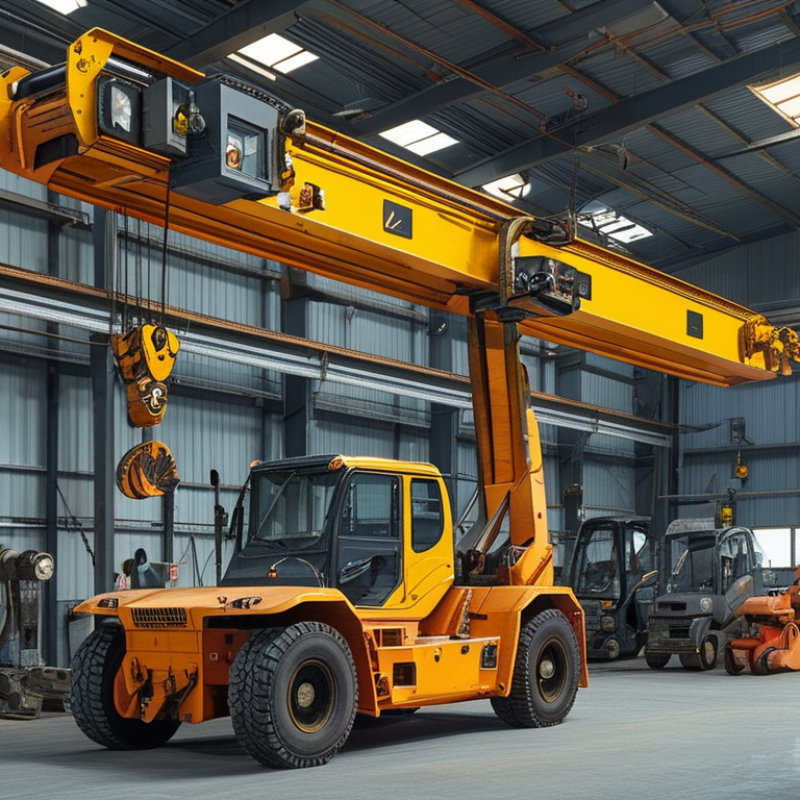
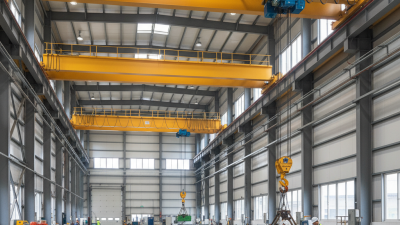
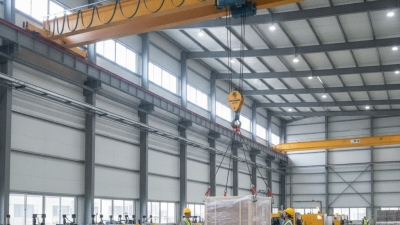
When considering overhead shop cranes, it's essential to understand the different types available. Each type serves unique applications that can significantly affect productivity. For instance, a bridge crane operates on an elevated rail system. This design allows for maximum coverage of the shop floor. These cranes are ideal for heavy lifting tasks in manufacturing and warehousing environments.
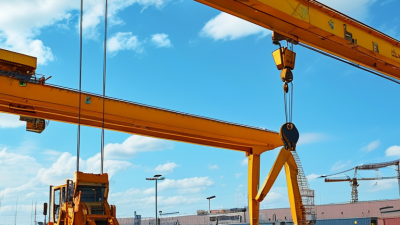
Then we have gantry cranes. They are versatile, with designs ranging from permanent installations to mobile units. Gantry cranes excel in outdoor settings, often used for construction or loading containers. Their ability to lift substantial weights while providing mobility is a major plus for various industries.
However, selecting the right crane requires careful thought. Users must consider their workspace, weight capacity, and specific needs. A poorly chosen crane can lead to inefficiency. It may also result in safety hazards, which must not be ignored. Reflecting on these aspects aids in making an informed decision. The right overhead crane enhances workflow and ensures a safer working environment.
Important Load Capacity Considerations for Overhead Cranes
When purchasing an overhead shop crane, understanding load capacity is crucial. According to industry reports, overloading can cause safety issues and equipment failure. Selecting the right load capacity involves analyzing the maximum weight you plan to lift, considering factors such as material density and load size. Cranes often come with capacities ranging from 1 ton to over 100 tons. Ensure the crane selected fits your operational needs without exceeding its limits.
Tip: If uncertain, consult a professional to assist with load calculations. Inaccurate estimations can lead to accidents. Always opt for a crane with a higher capacity than your estimated needs. This adds safety and offers flexibility for future projects.
Load distribution is another vital aspect. Uneven loads can strain crane components. Industry standards recommend a maximum load shift of 15% to maintain safety. A good practice is to perform regular inspections, ensuring the equipment remains in peak condition. Regular training for operators helps them understand the importance of load management.
Tip: Use load spreading devices when handling large or bulky items. This reduces the risk of accidents and damage to the crane. A proactive approach to load considerations can enhance the longevity of your equipment and ensure workplace safety.
Factors Influencing Span and Lift Height in Crane Selection
When purchasing an overhead shop crane, span and lift height are crucial factors. The span determines how wide the crane can reach. A wider span allows for more versatile movement across your workspace. Common industry spans range from 10 to 50 feet. According to a report by the Crane Manufacturers Association of America, optimal span choice aligns with the layout of your facility and workload requirements.
Lift height impacts how high your crane can operate. Typical lift heights range from 10 to 20 feet, but some models allow for even higher operations. The American National Standards Institute (ANSI) emphasizes that choosing the right lift height is essential based on how high materials need to be lifted or stored. Misjudging this could lead to operational inefficiencies. High ceilings may require cranes with advanced lifting systems, which can be costly.
Environmental factors also play a role. Dust, humidity, or extreme temperatures can affect crane performance and lifespan. Some facilities might overlook these aspects, leading to unexpected maintenance costs. While selecting a crane, reflect on these influencing factors carefully. The right specifications can transform productivity levels, yet improper choices may result in downtime or safety hazards.
Understanding Power Options: Electric vs. Manual Overhead Cranes
When choosing between electric and manual overhead cranes, various factors come into play. Electric cranes dominate in terms of efficiency and ease of use. They can lift heavy loads quickly, enhancing productivity on the shop floor. According to a report by industry experts, electric cranes can cut operational time by nearly 30% when compared to manual options. This can lead to significant cost savings and faster project completion.
On the other hand, manual overhead cranes provide a lower-cost alternative. They require no electrical installation, which can be beneficial for smaller shops. Yet, they demand more physical effort from operators. Safety can be a concern, as operators may tire more easily with manual lifting, potentially leading to accidents. Industry safety data indicates that manual cranes are involved in a higher percentage of workplace injuries, emphasizing the importance of proper training.
Consider your operational needs. If consistent and heavy lifting is needed, electric cranes may be the best fit. If budget constraints exist, a manual crane might suffice but could require more frequent maintenance. Each option has its pros and cons, and understanding them is crucial for making an informed decision. Reflecting on your unique situation can guide you toward the right choice.
Safety Features and Compliance Standards for Shop Cranes
When purchasing an overhead shop crane, prioritizing safety features and compliance standards is crucial. According to the American Society of Mechanical Engineers (ASME), cranes must adhere to strict safety regulations, particularly the ASME B30.2 standard for overhead lifting. This standard outlines the design, installation, operation, and maintenance criteria to ensure safety. Cranes should also feature overload protection mechanisms to prevent accidents, which are critical in preventing injuries and loss.
In addition to regulations, evaluating visibility and control systems is essential. Clear visibility can greatly reduce accidents on the shop floor. A study from the Occupational Safety and Health Administration (OSHA) indicates that improper visibility during crane operation accounts for 24% of all crane-related injuries. Features like cameras or alarms that alert operators can enhance safety.
Many industries still overlook these key aspects. Some companies prioritize cost over compliance, risking injuries and financial losses. Regular audits and employee training are often neglected, leading to operational inefficiencies. Investing in safety features and adhering to compliance standards should be seen as a long-term strategy for minimizing risks and enhancing overall productivity.