How to Choose the Best Single Girder Crane for Your Needs?
Choosing the right Single Girder Crane for your operations can be a daunting task. With the global crane market projected to reach $40 billion by 2027, understanding your needs is crucial. Experts like Dr. Rachel Brown, a leading authority in crane technologies, emphasize the importance of tailored solutions. She states, “Selecting a crane should never be a one-size-fits-all approach.”
In the Single Girder Crane sector, factors such as load capacity, span length, and operating environment significantly influence your choice. Industry studies reveal that over 60% of businesses regret not conducting thorough needs assessments before purchasing cranes. This oversight can lead to inefficiencies and safety risks.
Moreover, while Single Girder Cranes are cost-effective, they still require careful consideration. Potential buyers should weigh both short-term savings against long-term operational costs. Reflecting on these details can help prevent common pitfalls and ensure the crane meets your specific requirements.

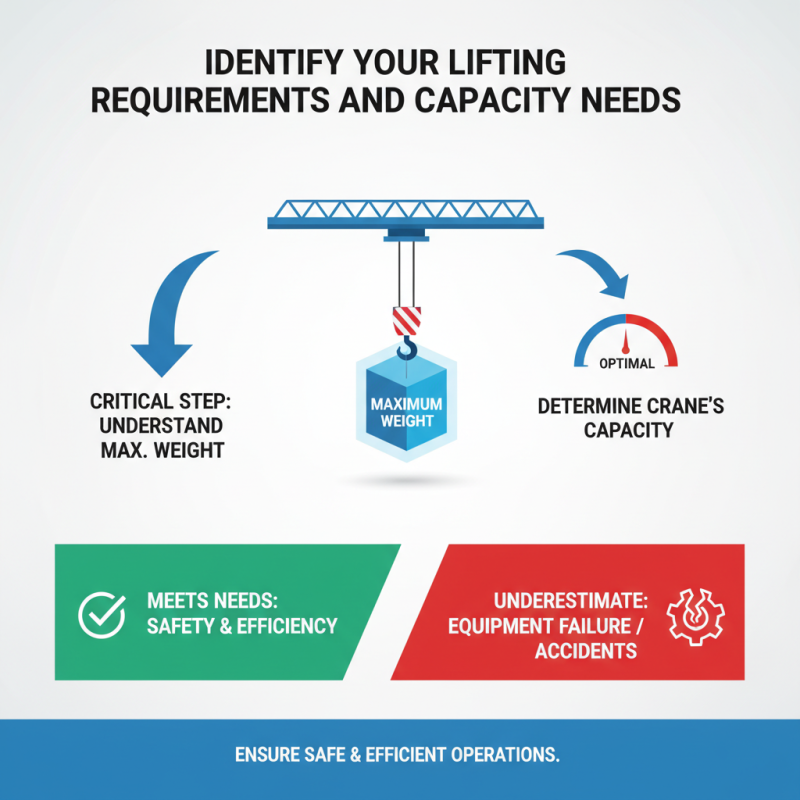
Identify Your Lifting Requirements and Capacity Needs
When choosing a single girder crane, understanding your lifting requirements is critical. Consider the maximum weight you need to lift. This information is essential for determining the crane's capacity. A crane that meets your needs ensures safety and efficiency in your operations. If you underestimate your requirements, it could lead to equipment failure or accidents.
Evaluate the types of materials you will lift. Are they heavy machinery or lighter components? Different materials may require specific handling approaches. Additionally, the lifting height plays a crucial role. A crane with insufficient height may limit operational efficiency. Consider whether you’ll need to lift goods to various heights, as this directly impacts your selection.
Reflect on installation and space constraints. The area where the crane will operate must accommodate its dimensions. A large crane in a cramped space can pose challenges. Think about the long term too. Your lifting needs may grow over time, so choosing a crane that allows for expansion is wise. Plan for potential future requirements to avoid frequent upgrades or replacements.
Evaluate the Available Space and Installation Conditions
When selecting a single girder crane, the available space and installation conditions are critical factors. Precise measurements of your facility's height and width should guide your decision. Industry reports indicate that an optimal clearance height can range from 15 to 30 feet, depending on your lifting needs. Limited space can restrict maneuverability, making it essential to consider both the crane's dimensions and its operational range.
Tips: Always measure twice. Space constraints may demand a custom solution. Consult with professionals who can evaluate your specific environment. They often recommend clearance gauges to avoid obstacles. This small detail can save time and money.
Another aspect to analyze is the type of flooring your crane will operate on. A solid, level surface is vital for stability. Research suggests that cranes require a minimum load-bearing capacity of 75 pounds per square foot. If your flooring is insufficient, it might lead to premature wear or safety risks.
Tips: Use load-testing methodologies to ensure your floor meets the required standards. An engineer’s assessment can help you identify weaknesses in existing structures, mitigating future issues. These steps cultivate a safer, more efficient workspace.
How to Choose the Best Single Girder Crane for Your Needs? - Evaluate the Available Space and Installation Conditions
| Dimension |
Recommended Value |
Notes |
| Span Width |
20 - 40 ft |
Depends on warehouse layout |
| Lifting Height |
10 - 30 ft |
Consider maximum load height |
| Load Capacity |
1 - 10 tons |
Match with expected loads |
| Operating Environment |
Indoor/Outdoor |
Different conditions may require special features |
| Power Supply |
220V, 380V |
Ensure compatibility with available supply |
| Control Method |
Remote/Stationary |
Based on operational needs |
Compare Different Types of Single Girder Cranes
When selecting a single girder crane, understanding the various types available is crucial.
Single girder cranes come in different configurations, including overhead, gantry, and jib models.
According to industry reports, overhead cranes dominate the market due to their efficiency in space utilization and load handling.
Gantry cranes offer flexibility for outdoor use, while jib cranes excel in precise movements over a limited area.
Each type has unique advantages depending on your operational needs.
Tips for selecting the right crane:
- Analyze your workspace dimensions.
- Consider the load capacity you require.
- Evaluate the frequency of use and type of materials.
For example, a facility with high ceilings may benefit from an overhead crane, allowing for better vertical space usage.
On the other hand, if mobility is vital, a gantry crane might be suitable. Recent data shows that choosing the right crane can improve operational efficiency by up to 30%, demonstrating the importance of making an informed decision.
It’s vital to reflect on potential challenges.
Some facilities may encounter space constraints, which can limit crane selection.
Regular maintenance also plays a key role in safety and performance.
This investment in upkeep is essential for long-term reliability, yet it’s often overlooked.
By weighing these factors, you can select a crane that meets your operational challenges.
Consider Maintenance and Support Services Available
When selecting a single girder crane, maintenance and support services are critical factors. Reliable after-sales support can significantly reduce downtime. According to industry reports, around 30% of crane failures are due to inadequate maintenance. Engaging with a supplier who offers comprehensive support means you’ll have access to timely repairs and expert advice.
Training and resources should also be considered. An estimated 25% of crane operators lack proper training. This can lead to safety risks and equipment damage. A supplier that provides training programs and documentation ensures your team understands how to operate and maintain the crane efficiently. Furthermore, regularly scheduled maintenance checks can extend the lifespan of your crane by 20%.
It’s essential to evaluate the availability of replacement parts too. Delays in acquiring parts can cripple operations. Reports suggest that having a reliable parts supplier can minimize downtime by up to 40%. Therefore, assessing the maintenance framework and support services from potential suppliers should be a top priority when choosing the right single girder crane for your needs.
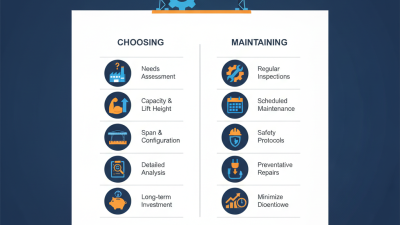
Choosing the Best Single Girder Crane: Maintenance and Support Services