How to Choose the Best Wall Mounted Jib for Your Needs?
Choosing the right "Wall Mounted Jib" can greatly impact your workspace efficiency. Industry expert John H. Smith states, “A proper jib can transform an ordinary setting into a highly functional area.” This assertion highlights the importance of selecting the right equipment.
When considering a Wall Mounted Jib, various factors come into play. The weight capacity and reach are crucial. Inadequate specifications could lead to inefficiencies or even accidents. Assessing your specific needs is essential. Skimping on quality for lower costs could backfire. It’s important to remember that safety always comes first.
Many users overlook the installation process, which can cause problems later. Consulting with professionals during installation is advisable. It is easy to miss details that could affect performance. Ultimately, investing time in understanding your options will pay off. Selecting the best Wall Mounted Jib can enhance productivity and safety in your workspace.
Factors to Consider When Selecting a Wall Mounted Jib Crane
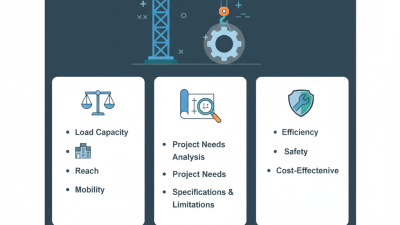
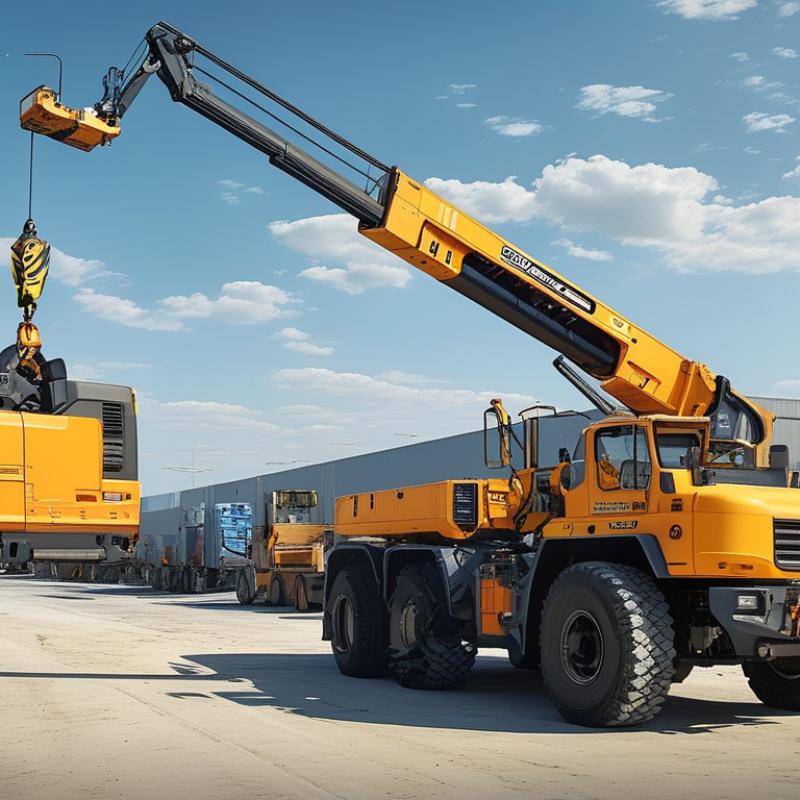
When choosing a wall-mounted jib crane, various factors come into play. Consider the weight capacity. It’s crucial to understand how much your crane needs to lift. Analyze the common loads used in your operations. If you regularly handle heavy materials, choose a crane with a higher capacity.
The reach of the jib is also significant. A longer reach means more flexibility in your workspace. However, an overly long jib can reduce stability. It's a balancing act between reach and safety. Assess the layout of your work area carefully.
Tips: Measure your available space. Check for obstacles. Think about mobility as well.
Material of the crane plays a role too. Steel jibs offer durability. Aluminum is lighter and often easier to install. Consider environmental factors; will the crane be exposed to harsh conditions? Each choice carries weight.
Overall, reflect on your specific needs. What works for one facility may not work for you. Avoid the temptation to compromise on features that impact safety and functionality.
Understanding Load Capacity Requirements for Your Jib Crane
When selecting a wall-mounted jib crane, load capacity is crucial. The load capacity directly impacts the crane's effectiveness. According to industry standards, the load capacity often ranges from 500 to 2,000 pounds. However, actual needs can vary significantly based on your specific operational requirements and space constraints.
Understanding how much weight your crane must lift is pivotal. It's essential to account for not just the weight of the load but also potential dynamic forces. Industry experts recommend adding a safety margin of 20-30% beyond the estimated capacity. This additional cushion helps to avoid operational issues and maintains equipment longevity.
Inadequate load capacity can lead to severe operational failures. A report by the Occupational Safety and Health Administration (OSHA) highlights that improper use results in accidents. Regular training and understanding load limits are vital for safety. Operators must continually review weight loads and adjust as necessary. A conscious approach to load management and crane selection helps avert potential risks.
The Importance of Reach and Extension in Jib Crane Design
When selecting a wall-mounted jib crane, reach and extension play crucial roles in its effectiveness. The reach determines how far the crane can extend from its mounting point, affecting its ability to move loads efficiently. If the reach is too short, it limits the operational area. A proper balance is essential. Too much reach can lead to instability, raising safety concerns.
Extension capacity refers to how far the crane can lift loads. This influences the types of tasks it can perform. When choosing a jib crane, it's important to consider the height of your workspace. An extension that is too long could cause issues in tight spaces. Evaluate the types of loads you will handle. Heavy loads often require a robust design with adequate reach and extension to prevent accidents and ensure reliability.
Many factors can alter your choice of jib crane. Assess your routine needs and workflows. Reflect on your space limitations and weight requirements. Adjust your choices accordingly. Jib cranes should enhance productivity without compromising safety. A thoughtful understanding of reach and extension will allow for better decision-making in your specific context. Addressing these details can minimize potential pitfalls in crane selection.
Evaluating Materials and Construction Quality for Durability
When choosing a wall-mounted jib, material and construction are key factors.
Look for robust materials like steel or aluminum.
These materials offer strength and longevity. Poor quality materials may lead to failures.
A strong jib gives you peace of mind.
Inspect the construction quality. Welding and connection points should be solid, with no visible defects.
A well-made jib withstands heavy loads and frequent use. Weak joints can compromise safety.
It’s essential to review specifications carefully.
Tips: Always check for certifications that ensure quality standards.
Seek expert advice if uncertain about specifications. Research customer reviews to gain insights into long-term durability.
Remember, it’s better to invest in a reliable jib than to risk safety with cheaper options.
Assessing Installation Space and Environmental Compatibility for Jibs
When considering a wall-mounted jib, assessing installation space is crucial. The required height, width, and surrounding clearance dictate the feasible jib types. A report from the American Society of Safety Professionals highlights that improper measurements can lead to significant accidents.
Space constraints often limit options, influencing both function and safety.
Ensuring enough room for movement is paramount; at least 3-5 feet of clearance around the jib is recommended for safe operation.
Environmental compatibility is another critical factor. Jibs installed in harsh conditions, like outdoors or near corrosive substances, need special materials. The International Organization for Standardization provides guidelines on durability ratings. Jibs exposed to extreme temperatures or moisture should have protective coatings to avoid premature wear.
Studies indicate that neglecting environmental factors can reduce equipment lifespan by up to 30%.
Selecting the appropriate jib isn’t just about functionality; it’s about ensuring a harmonious fit within your operational environment. Regular evaluations of your installed jibs are essential. Understanding your space and environmental factors leads to more informed decisions, enhancing both productivity and safety in the workplace.