How to Choose the Right Wall Mounted Jib for Your Workspace?
Choosing the right Wall Mounted Jib for your workspace is crucial for enhancing efficiency and safety. According to industry reports, over 60% of businesses face workflow disruptions due to inadequate lifting solutions. An appropriate jib crane can significantly reduce these disruptions, making it essential to choose wisely.
Wall Mounted Jibs provide flexibility and save valuable floor space. They can handle loads ranging from a few hundred pounds to several tons, depending on the model. However, selecting the wrong jib might lead to costly operational setbacks. Specific load capacities and reach must match your requirements.
Consideration of other factors is equally important. Workspace layout, ceiling height, and the frequency of use all contribute to the effectiveness of a Wall Mounted Jib. Without careful assessment, you might encounter limitations in your productivity. This guide aims to help you navigate these decisions, empowering you to make informed choices for your operational needs.
Understanding Wall Mounted Jibs and Their Applications
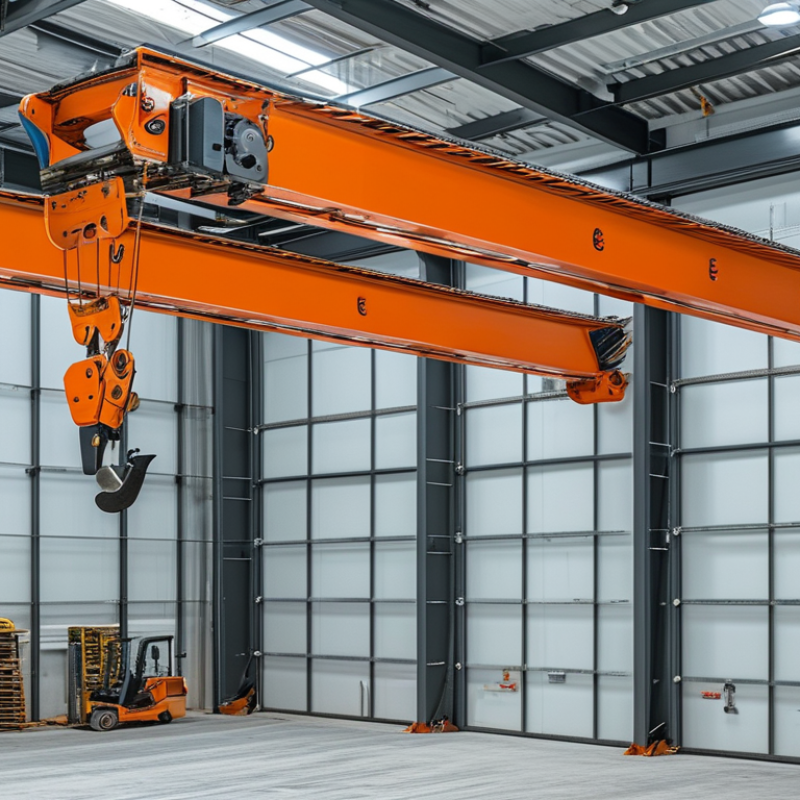
When considering wall mounted jibs, it’s vital to understand their uses. These jibs provide an efficient solution for lifting and moving heavy loads. They save floor space, making them ideal for smaller workspaces. Many industries use them, such as manufacturing and construction. The design of a wall mounted jib should align with your specific applications and weight requirements.
Assessing the correct reach and lift capability is crucial. The height of the mounting point directly impacts how far you can extend the jib. However, incorrect calculations can lead to operational issues. Reflecting on your workspace layout is important. A poorly positioned jib can hinder productivity. It’s essential to balance functionality and space constraints.
Another consideration is the material and design of the jib. Different materials provide varying levels of strength and durability. Choosing the wrong material may result in frequent replacements. Furthermore, regular maintenance is often overlooked. Operators should inspect the jibs routinely. Neglecting maintenance can lead to safety hazards. Ensure your team is knowledgeable about these systems to maximize efficiency.
Factors to Consider When Selecting a Wall Mounted Jib
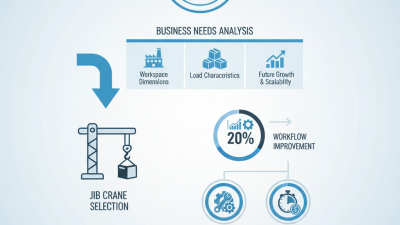
Choosing the right wall-mounted jib can boost your workspace efficiency. Start by evaluating the weight capacity your tasks demand. Each jib has a limit. Matching this to your heaviest load is crucial. Overestimating can lead to accidents. On the other hand, underestimating can waste resources.
Consider the mounting location as well. The wall must be sturdy enough to support the jib. Inspect for structural integrity before installation. This involves checking studs and potential obstructions. Visualize how the jib will operate within your workflow. Positioning affects accessibility and safety. Adjusting your workspace layout might be necessary.
Ease of use is another factor. A complex jib can slow down operations. Look for features that enhance usability. Think about whether it offer smooth maneuverability. Reflect on your team’s skill level. If they struggle, consider simpler solutions. Each workspace is unique. Take the time to assess your specific needs before making a choice.
Wall Mounted Jib Selection Factors
Assessing Weight Capacity and Reach Requirements
When selecting a wall-mounted jib for your workspace, weight capacity is crucial. Assess the items you plan to lift. Each jib has a specific weight limit. Knowing your needs helps avoid accidents. A jib that can't handle the load may fail, leading to damage or injury. Evaluate the weight of tools or materials. Always choose a jib with a higher capacity than needed. This provides a safety buffer.
Reach requirements are equally important. Consider the area where you'll use the jib. Measure the distance from the wall to the point where you need to lift objects. Too short a reach can limit functionality. A jib that extends too far might become unstable. Think about the workspace layout. Can the jib be positioned for optimal use?
Mistakes in choosing the wrong capacity or reach can be costly. Regularly reassess the workspace needs. Adjustments may be needed over time as operations change. A simple miscalculation can lead to inefficient use. Ensure your wall-mounted jib aligns with current and future requirements.
Material and Build Quality: What to Look For
When selecting a wall-mounted jib for your workspace, material and build quality are vital factors. Steel is often the preferred choice due to its strength and durability. According to a report by the Material Handling Industry of America, steel-based jibs can support heavier loads, ensuring safety during operation. Evaluating the weight capacity is essential; some jibs can handle up to 1,500 pounds. This robust construction minimizes wear and tear over time.
Look for features like powder coating or corrosion-resistant finishes. These can extend the lifespan of the jib significantly. A study by the Occupational Safety and Health Administration indicates that units with protective coatings reduce maintenance costs by up to 30%. Additionally, consider the mounting hardware used. High-quality bolts and anchors ensure stability. Weak connections can be a hazard, leading to accidents.
It’s crucial to think about your specific needs. Not all materials suit every environment. For example, aluminum jibs are lightweight, but might not be ideal for heavy-duty tasks. Reflecting on your workspace requirements can steer you toward the right choice. Investing in a high-quality jib pays off, enhancing productivity and safety in the long run.
Installation Process and Safety Considerations
When installing a wall-mounted jib, safety is paramount. This type of equipment can handle significant loads, but improper installation can lead to accidents. According to the Occupational Safety and Health Administration (OSHA), nearly 75% of workplace injuries stem from improper lifting techniques or equipment failures. Ensuring that your jib is securely mounted to a reinforced wall is crucial. Use anchors rated for the load you expect. Regularly inspect these anchors to maintain integrity.
Consider the equipment’s rated capacity before installation. Many jibs can support between 500 to 2000 pounds. If you can, have a professional evaluate your workspace’s structure. This helps avoid potential pitfalls like wall weaknesses or improper alignment. A recent industry report found that 60% of accidents were linked to inadequate assessments of structural integrity before installation.
Keep a close check on safety protocols. Training staff on proper usage can significantly minimize risks. Ideally, users should be educated on how to identify wear or damage to the jib. Designated operators should undergo routine checks. Coherent communication about potential hazards is critical. Despite best practices, unforeseen issues may arise. Prepare contingency plans for equipment failures. Prioritizing safety will ensure a smoother and more productive workspace.