Top Tips for Choosing the Right Garage Gantry Crane?
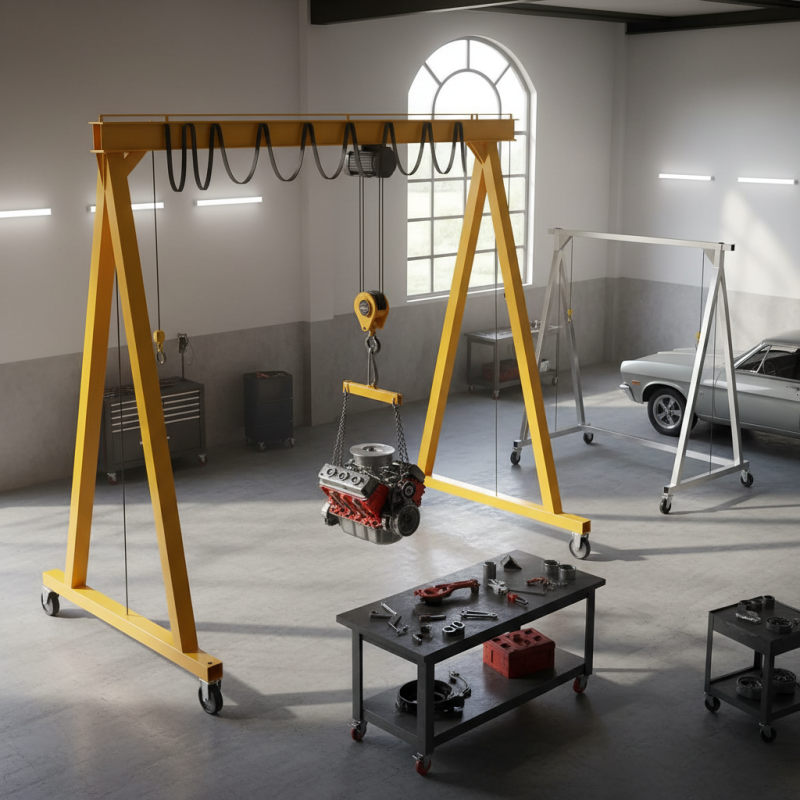
Choosing the right Garage Gantry Crane is crucial for efficient operations. Many factors influence this decision, and it can be overwhelming. It's a balance between functionality, durability, and budget. A suitable crane enhances productivity and safety in the workspace.
When selecting a Garage Gantry Crane, consider the load capacity. What weight will you frequently lift? Understand your requirements before making a decision. Many users overlook the importance of height and span. Ensure it fits your garage specifications without compromising safety.
Additionally, the material plays a vital role. Steel offers strength, while aluminum is lighter but may lack sturdiness. Reflect on the environment where you’ll use the crane. Harsh conditions may require more robust designs. Remember, investing time now leads to better long-term results.
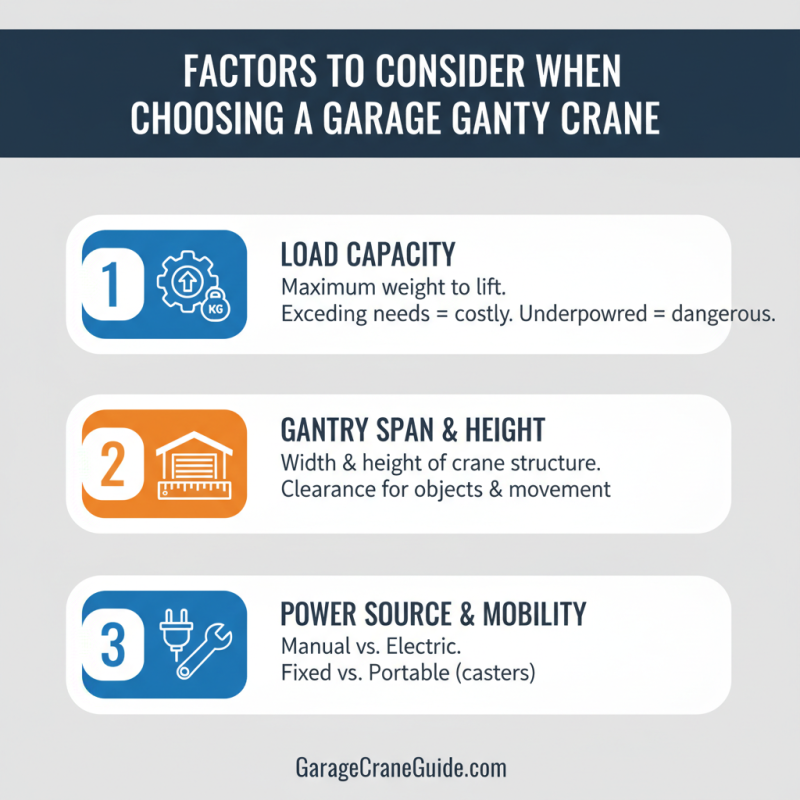
Factors to Consider When Choosing a Garage Gantry Crane
When selecting a garage gantry crane, several factors come into play. The first is load capacity. Determine the maximum weight you plan to lift. Cranes come with various capacities, and choosing one that exceeds your needs can be costly. Conversely, an underpowered crane can lead to dangerous situations.
Next, consider the crane’s height and width. Measure your garage space carefully. Ensure the crane fits comfortably without restricting movement. Think about adjustability too. An adjustable crane can adapt to different lifting heights, providing versatility for various tasks.
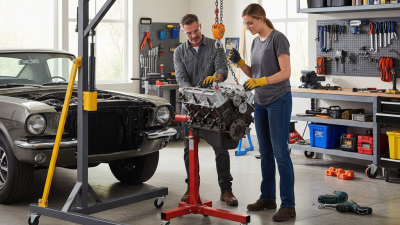
Mobility is another crucial element. Some cranes are fixed, while others are portable. If you need to move your crane frequently, a mobile option is ideal. However, mobility may impact stability, which is a trade-off to think about. Reflect on what you truly need for your specific applications. Always prioritize safety and reliability over convenience.
Load Capacity Requirements: Understanding Safe Working Loads
When selecting a garage gantry crane, understanding load capacity is crucial. Each crane has a maximum weight it can safely lift, known as the safe working load (SWL). This figure isn’t just a guideline; exceeding it can lead to dangerous situations. Therefore, consider the types of loads you will handle. Will you be lifting heavy machinery or lighter components? Knowing this helps in selecting the right crane.
Remember, the SWL is influenced by various factors. These include the crane's design, materials used, and overall construction. An honest assessment of what you plan to lift and how often will inform your choice. Sometimes, users underestimate weights, especially with awkward shapes or uneven load distributions. This is a common oversight that can lead to accidents.
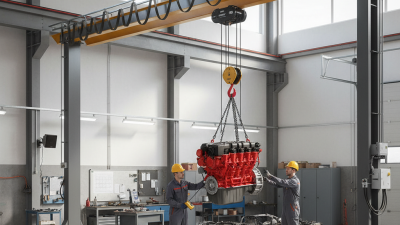
Safety must always be a priority. Inspections and regular maintenance will ensure the crane operates effectively within its capacity. Choose models known for durability and reliability. Understanding your specific needs can guide you toward a crane that meets safety standards while fitting your operational requirements. Awareness can save not just money, but lives as well.
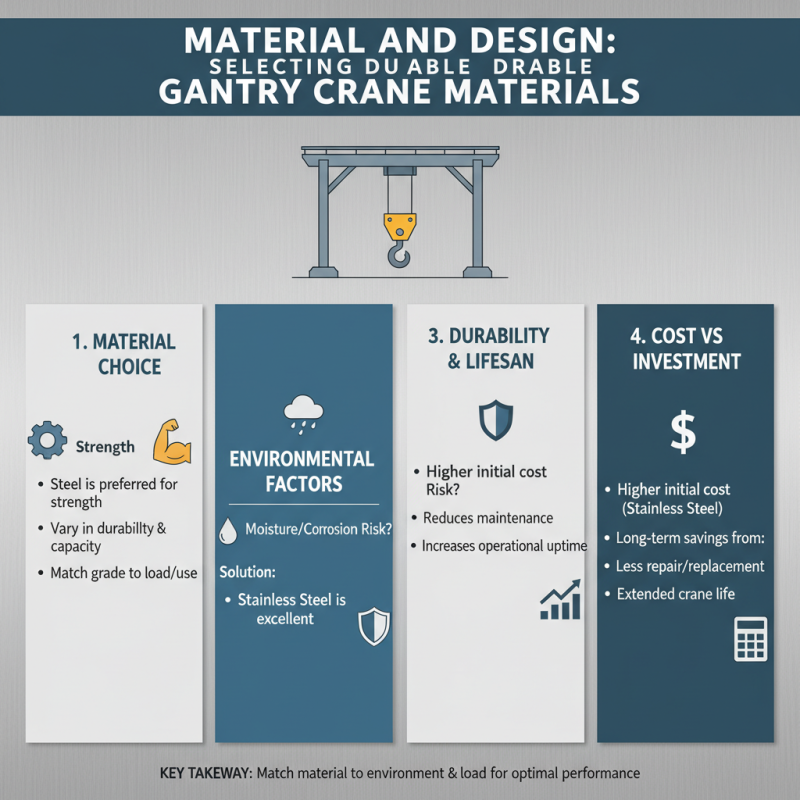
Material and Design: Selecting Durable Gantry Crane Materials
Choosing the right materials for a gantry crane is vital. Steel is often preferred due to its strength. However, various grades of steel exist. Each offers differing levels of durability and weight capacity. Consider the environment in which the crane will be used. If exposed to moisture, look for corrosion-resistant options. Stainless steel is an excellent choice for such conditions.
In terms of design, simplicity often leads to increased reliability. A well-designed gantry crane should minimize joint and weld points. This can reduce the chances of failure over time. Additionally, the crane’s wheels and supports should match the load it will carry. Oversizing components can lead to unnecessary expense. Conversely, undersized materials can bring safety risks.
Pay attention to the weight distribution. This impacts operational efficiency and safety. A crane with an uneven load can be unstable. Testing the gantry crane with varied loads can help you find potential flaws. Assessing these factors carefully will enhance the reliability of your setup and ensure longevity.
Mobility and Adjustability: Key Features for Customization
When selecting a garage gantry crane, mobility and adjustability are crucial features to consider. A crane that can easily move across your workspace enhances efficiency. Think about the wheels—should they be locking or swivel? Well-functioning wheels provide stability and ease of use on varied surfaces. Adjustability allows for lifting different heights and weights, making the crane versatile for your tasks.
**Tip 1**: Ensure the crane's height mechanism is user-friendly. Complex adjustments can lead to wasted time and effort. Look for cranes with simple lever systems. User experience is vital for getting the most out of your equipment.
Another aspect is the width of the gantry. A wider base ensures stability but may limit where you can position the crane. Adjustability in width can alleviate spacing issues, but it may compromise stability. Examine the crane's design closely. You want a balance between stability and functional range.
**Tip 2**: Consider how frequently you will relocate the crane. If your tasks change daily, invest in a model designed for frequent movement. This could save you considerable frustration later on. Remember, a well-chosen crane not only aids in lifting but also in creating a smoother workflow in your garage.
Maintenance and Safety Standards for Garage Gantry Cranes
When selecting a garage gantry crane, maintenance and safety standards are crucial. According to the Occupational Safety and Health Administration (OSHA), cranes account for a significant percentage of workplace injuries. Ensuring proper maintenance can reduce these incidents. Regular inspections can identify issues before they escalate.
Operators should follow the manufacturer's guidelines for maintenance. This includes checking the hoist chains, brakes, and electrical systems. A report from the Crane Safety Association highlights that 70% of crane accidents stem from improper maintenance. Regular training sessions should be held. Staff must understand safety protocols and potential hazards.
Beyond maintenance, adherence to local safety standards is vital. Different regions have varying regulations. Understanding these can prevent legal and safety issues. Even minor lapses can lead to serious repercussions. It's essential to stay informed about updates in regulations. In the evolving landscape of safety, being proactive is key to ensuring a safe working environment.
Top Tips for Choosing the Right Garage Gantry Crane
| Criteria |
Description |
Safety Standards |
Maintenance Tips |
| Load Capacity |
Select a crane that can handle the maximum weight you plan to lift. |
Ensure it meets local regulations and standards (e.g., ASME, OSHA). |
Regularly check for wear and tear on components. |
| Height Adjustment |
Look for a crane with adjustable height settings for flexibility. |
Check if the adjustment mechanism adheres to safety standards. |
Lubricate all moving parts to ensure smooth operation. |
| Mobility |
Crane with wheels can be easily moved; consider the terrain. |
Cranes should have locking mechanisms for safety. |
Inspect wheels and casters regularly to ensure functionality. |
| Material |
Choose between steel and aluminum based on weight and durability needs. |
Ensure materials used comply with industrial safety standards. |
Check for rust or corrosion regularly, especially for steel cranes. |
| Ease of Setup |
Look for cranes that are easy to assemble and disassemble. |
Follow the manufacturer's instructions for setup. |
Before use, inspect all connections and joints for security. |