How to Choose the Right Luffing Jib Crane for Your Project?
Choosing the right Luffing Jib Crane for your project can be a daunting task. With the global construction equipment market expected to reach $230 billion by 2027, selecting the right equipment is crucial for project efficiency and safety. Luffing Jib Cranes are particularly popular in urban areas due to their compact design and ability to lift heavy loads without requiring additional space. According to a recent report by Technavio, the demand for these cranes is projected to grow at a CAGR of 6% over the next five years.
Understanding your project’s specific needs is vital. Luffing Jib Cranes excel in tight job sites, often outperforming traditional cranes in terms of flexibility and precision. However, choosing one can be complex. Factors like load capacity, height, and outreach must align with your project requirements. A survey by Global Data indicates that nearly 40% of project delays stem from equipment mismatches. Investing time in selecting the right crane can significantly enhance efficiency and reduce risks.
Be mindful of common pitfalls. Engaging professionals with expertise in crane selection can save money and time in the long run. Not every Luffing Jib Crane fits all situations. Each site presents unique challenges requiring careful evaluation. Reflecting on past experiences helps project managers make informed choices that contribute to project success.
Understanding Luffing Jib Cranes and Their Applications
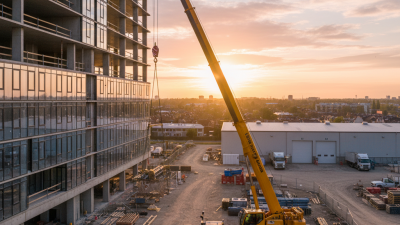
Luffing jib cranes are specialized machines, widely used in construction and heavy lifting. Understanding their applications can significantly enhance project efficiency. These cranes excel in tight spaces, where minimal swing is crucial. Their ability to lift loads close to the crane base makes them ideal for urban environments, where height and space limitations often pose challenges.
When choosing a luffing jib crane, consider the project scope. Evaluate load weight, height, and radius. An incorrect choice could result in operational inefficiencies or safety hazards. It's essential to assess the crane's adaptability to various lifting tasks and site conditions. For projects with shifting loads or varied heights, a versatile crane will provide the best results.
**Tips:** Always consult with experts. Their insights can guide you in making the right decision. Research crane specifications thoroughly before selection. Understand that not every luffing jib crane suits every project. Reflect on the past projects; learn from mistakes. Adjust your approach based on previous experiences for improved outcomes.
How to Choose the Right Luffing Jib Crane for Your Project?
| Feature |
Description |
Applications |
Max Load Capacity |
Height of Lift |
| Luffing Mechanism |
Allows for vertical lifting with minimal horizontal movement. |
High-rise building construction. |
Up to 16 tons. |
40 meters. |
| Compact Design |
Ideal for urban environments with limited space. |
Construction in congested urban areas. |
Up to 10 tons. |
30 meters. |
| Rotational Capability |
Provides enhanced maneuverability at height. |
Bridging and setup for large machinery. |
Up to 12 tons. |
35 meters. |
| Lift Speed |
Variable speeds for different loads and operations. |
Industrial applications and construction. |
Up to 14 tons. |
50 meters. |
Key Factors to Consider When Choosing a Luffing Jib Crane
Choosing the right luffing jib crane involves key considerations that can dramatically affect your project's success. Load capacity is paramount. Standard luffing cranes have load capacities ranging from 10 to 60 tons. Knowing your specific requirements will help avoid overloading issues. According to a 2022 report by the International Crane Association, improper load management leads to 30% of safety incidents.
Another vital factor is the operating radius. Luffing jib cranes often have a shorter swing radius, making them ideal for confined spaces. Determining whether your site has obstacles is essential. In urban construction, a narrower footprint allows for better maneuverability. A 2021 study revealed that over 20% of construction projects faced delays due to inadequate crane planning.
Lastly, consider the crane's versatility. Some models can adapt to various attachments or additional functionalities. Research shows that multifunctional cranes improve efficiency by up to 15%. However, versatility may come with complexity. Operators need thorough training to avoid errors that could lead to costly downtime or accidents. Making the right choice requires balancing these factors carefully.
Evaluating Project Specifications and Requirements
Choosing the right luffing jib crane begins with understanding your project’s specifications. Various factors can affect your selection. The height, weight capacity, and outreach requirements play crucial roles. According to a report by the International Crane Efficiency Council, nearly 70% of crane-related project delays stem from improper equipment selection.
Evaluating the site layout is essential. Will the crane operate in a constrained space? A luffing jib crane shines in tight urban environments. Studies show that they can handle loads up to 30 tons while providing excellent maneuverability. However, the specific needs of your project can dictate the extent they can be utilized effectively.
Consulting a certified crane engineer may provide valuable insights. Their expertise can uncover hidden challenges. Additionally, analyzing project timelines can guide the crane's operational efficiency. Delays can materialize if the crane isn’t suitable for the job. Ensure all factors align before making a decision; overlooking minor requirements can lead to significant project setbacks.
Cost Analysis and Budgeting for Your Crane Selection
When selecting a luffing jib crane, budget is a key factor. Industry reports indicate that hiring or purchasing cranes typically represents 15-25% of a project's total cost. Understanding the full scope of expenses is essential. Crane costs vary significantly by type and capacity. For instance, small luffing jib cranes can start around $100,000, while larger models may exceed $1 million. These figures do not include operational costs, which can add another 20-30% to your total.
Incorporating efficient budgeting is crucial. A comprehensive cost analysis should encompass not only the initial purchase or rental price but also maintenance, transportation, and insurance. Reports suggest that maintenance alone may account for 10% of total ownership costs annually. This often leads to budget overruns if not properly estimated. Moreover, unforeseen circumstances, such as project delays or equipment failures, can further strain budget plans.
Careful planning can mitigate these financial risks. For example, utilizing rental options allows for flexibility without a heavy upfront investment. Each project may have unique needs, so it's imperative to compare different crane models and configurations. This can reveal whether a more expensive, specialized crane offers long-term savings. Balancing upfront costs with potential efficiency gains is an ongoing challenge in project budgeting.
Maintenance and Support Considerations for Luffing Jib Cranes
Maintenance of luffing jib cranes is crucial for safety and efficiency.
Regular inspections ensure that mechanical components are functioning correctly. This includes checking the hoisting mechanism, cables, and safety devices.
Neglecting these aspects can lead to costly repairs and project delays. Every owner should establish a maintenance schedule tailored to specific operational needs.
Support considerations should also not be overlooked. Training staff on proper usage is essential.
Misuse can shorten the crane's lifespan or cause accidents.
Documentation of maintenance and repairs enhances accountability.
It builds trust within the team and with stakeholders. Recognizing the signs of wear and tear early can prevent bigger issues down the line.
Physical inspections can sometimes reveal problems not seen in reports.
For instance, visible stress fractures may indicate a need for immediate attention.
Reflecting on the maintenance process fosters a safety culture.
Encourage open discussion about equipment performance.
This dialogue can help identify recurring issues or knowledge gaps.