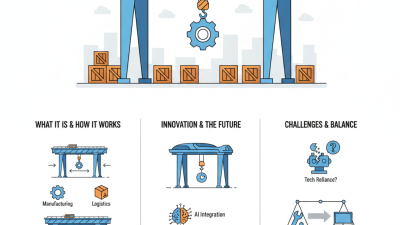
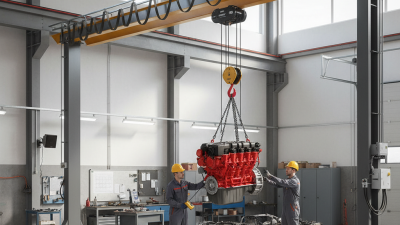
Why Choose an Overhead Gantry Crane for Your Material Handling Needs?
Choosing the right equipment for material handling is crucial. An Overhead Gantry Crane can significantly enhance operational efficiency. According to the Material Handling Industry of America, effective material handling can improve productivity by up to 25%. This highlights the importance of selecting the right crane for specific needs.
Overhead Gantry Cranes offer flexibility and robust lifting capabilities. They can handle various loads and adapt to different workspaces. In industries like manufacturing and construction, these cranes can save time and resources. However, not all facilities can accommodate such equipment. Space constraints and installation costs are common concerns. Companies must weigh these factors carefully.
The decision to invest in an Overhead Gantry Crane should not be taken lightly. It requires thorough planning and consideration of operational demands. While these cranes provide immense benefits, they come with challenges. An informed choice can lead to significant long-term gains in efficiency and safety. Investing in the right material handling solution is essential for success.
Benefits of Using Overhead Gantry Cranes in Material Handling
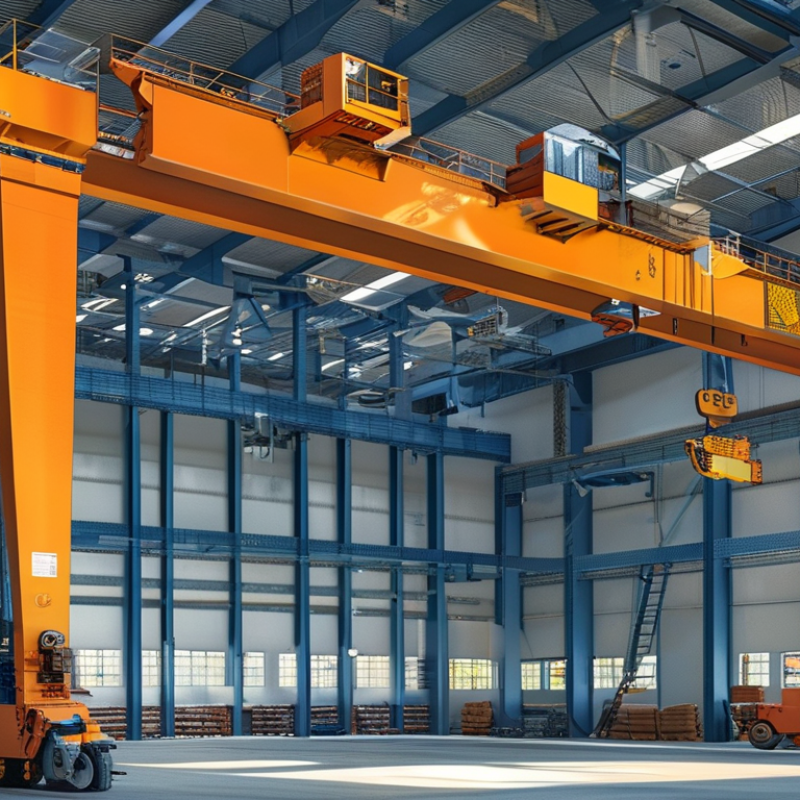
Overhead gantry cranes are increasingly vital in material handling processes across various industries. These cranes provide flexibility and operational efficiency that many competitors lack. According to a report by Market Research Future, the global overhead crane market is expected to reach $3.57 billion by 2025, driven by advancements in automation and increased industrial activities. This emphasizes the growing need for reliable material handling solutions.
The benefits of using overhead gantry cranes include their ability to maximize workspace. Unlike traditional setups, these cranes operate in vertical space, minimizing floor congestion. They also enhance safety by reducing the risk of injury associated with manual lifting. A study from the Occupational Safety and Health Administration notes that mechanizing material movement can decrease workplace accidents by more than 30%. Cost savings are significant too, as these cranes require less maintenance compared to other lifting solutions.
**Tip:** Regular inspections can prevent equipment failure, extending the lifespan of your cranes.
Furthermore, overhead gantry cranes are versatile. They can handle a variety of loads, from light materials to heavy machinery. However, implementing such systems requires careful planning. Understanding weight capacities and maintaining proper balance is crucial to operations. A miscalculation can lead to dangerous situations.
**Tip:** Train your staff regularly on operational best practices and safety standards.
The reliability of overhead gantry cranes makes them a valuable investment. Despite this, managers should approach the adoption of this technology with a willingness to learn and adapt.
Benefits of Using Overhead Gantry Cranes in Material Handling
Key Features of Overhead Gantry Cranes for Increased Efficiency
Overhead gantry cranes are essential in many industries. They provide a unique solution for material handling needs. Their design allows for maximum space utilization. This is crucial in busy warehouses or factories where floor space is limited.
One key feature of overhead gantry cranes is their ability to lift heavy loads efficiently. They can handle weights ranging from small components to massive machinery. The adjustable height and span options allow for customization. This flexibility enhances productivity significantly. Operators can maneuver loads with precision, reducing the risk of accidents.
Another important aspect is the ease of operation. These cranes often come with user-friendly controls. Even workers with minimal training can operate them effectively. However, safety training is still critical. This ensures that all operators understand the risks involved. Regular maintenance checks are essential too. They can prevent unexpected breakdowns and extend the crane's lifespan. Remember, while these cranes enhance efficiency, proper management is vital for optimal use.
Why Choose an Overhead Gantry Crane for Your Material Handling Needs? - Key Features of Overhead Gantry Cranes for Increased Efficiency
| Feature |
Description |
Benefits |
| High Load Capacity |
Designed to handle heavy and oversized loads efficiently. |
Increases operational throughput and reduces the need for multiple lifts. |
| Versatility |
Suitable for various applications across different industries. |
Maximizes usage in multiple environments, enhancing ROI. |
| Easy Maneuverability |
Can be equipped with various mobility options to easily navigate workspaces. |
Improves workflow and efficiency in material handling tasks. |
| Safety Features |
Incorporates advanced safety features like emergency stops and overload protection. |
Enhances workplace safety and reduces accident rates. |
| Cost-Effectiveness |
Low operational and maintenance costs over time. |
Saves money in the long run while boosting productivity. |
Applications of Overhead Gantry Cranes Across Various Industries
Overhead gantry cranes are essential in various industries for material handling. They optimize efficiency and safety in warehouses, manufacturing, and shipping. According to the Material Handling Industry of America (MHIA), nearly 70% of material handling tasks occur with overhead systems. This highlights their significance in the supply chain.
In manufacturing, these cranes streamline processes by moving heavy loads effortlessly. They handle components in automotive, aerospace, and construction sectors. A report by Research and Markets shows a projected growth rate of 5.5% in the overhead crane market by 2026. This statistic demonstrates increasing reliance on cranes for productivity.
However, the implementation of overhead gantry cranes isn’t without challenges. Companies must consider space constraints and environmental conditions. Poor integration can lead to accidents or reduced efficiency. Regular maintenance is crucial to avoid breakdowns, as even minor issues can halt operations. Addressing these concerns can optimize functionality and ensure safety in their use.
Comparing Overhead Gantry Cranes to Other Material Handling Solutions
Overhead gantry cranes are increasingly popular in various industries for material handling. When comparing them to other solutions, they offer unique benefits. A report from the Material Handling Industry of America indicates that overhead cranes can improve productivity by up to 30%. This increases efficiency, especially in warehouses and manufacturing settings.
Other solutions, like forklifts and pallet jacks, have limitations. They require more space and may obstruct aisles. Overhead gantry cranes operate in overhead spaces, freeing up ground-level areas. This optimization can reduce accidents, as operators avoid ground incidents. It’s crucial to assess your facility before finalizing a choice.
Tips: Ensure that the crane's capacity matches your load requirements. Overloading can lead to serious accidents or equipment damage. Regular training for operators is also essential. Continuous education fosters safer working environments. Being proactive in safety measures yields long-term benefits for any operation. Recognizing limitations in your material handling processes can guide better decisions.
Cost Considerations for Implementing Overhead Gantry Cranes
When considering overhead gantry cranes, cost is a key factor in decision-making. The initial investment can be significant.
According to the Industrial Truck Association, the average cost of these cranes ranges from $10,000 to $200,000. This wide range reflects differences in capacity, size, and features.
Maintenance costs are another consideration. Regular upkeep can add 10% to 15% of the purchase price annually. A study from the American Society of Mechanical Engineers suggests that companies frequently overlook these ongoing costs. Operators must plan for potential repairs and downtime, which can impact productivity and lead to lost revenue.
Additionally, energy efficiency is vital in evaluating total costs. Overhead gantry cranes can consume substantial power. Investing in energy-efficient models may lead to savings on utility bills over time. Although these models often come with a higher price tag, they may ultimately reduce operational costs. Understanding these cost dimensions can help businesses make informed decisions about their material handling needs.