How to Choose the Right Garage Overhead Crane for Your Needs?
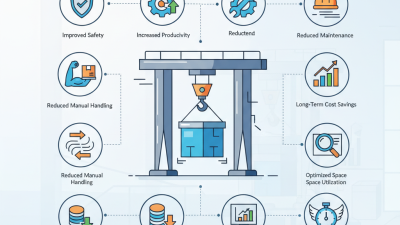
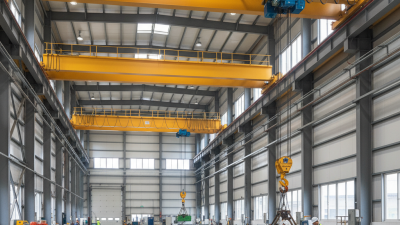
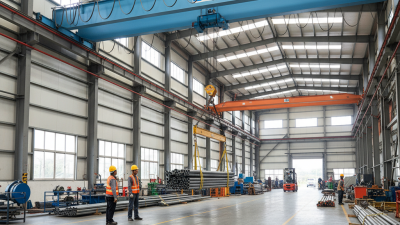
Choosing the right Garage Overhead Crane is essential for many operations. Whether in industrial settings or workshops, these cranes play a crucial role in managing heavy loads. They enhance efficiency and safety in lifting tasks, making them indispensable for various applications.
When selecting a Garage Overhead Crane, consider several factors. Load capacity, span, and height are vital aspects to assess. The right crane should match your specific lifting needs. It’s not just about buying any crane; it’s about finding the best fit for your operation. Sometimes, businesses overlook the importance of these details, leading to potential issues down the line.
Moreover, evaluating the manufacturer's reputation is crucial. Quality and reliability are non-negotiable. You want a crane that lasts and performs reliably. Remember, the wrong choice can lead to safety hazards and operational inefficiencies. A well-informed decision, grounded in experience and expertise, can make all the difference in your workspace.
Understanding the Basic Components of Garage Overhead Cranes
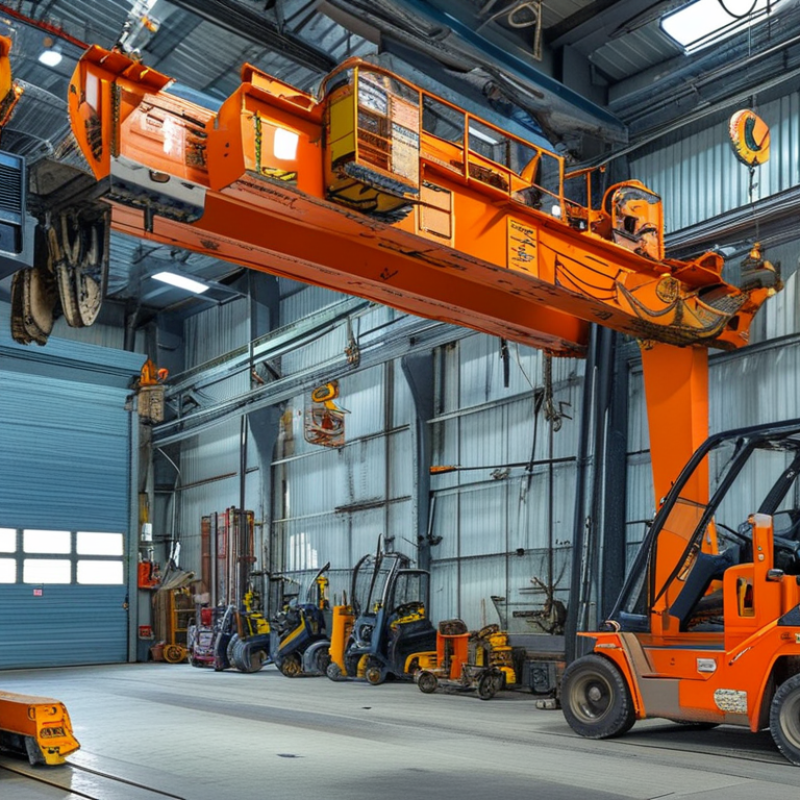
When considering a garage overhead crane, it's essential to understand its basic components.
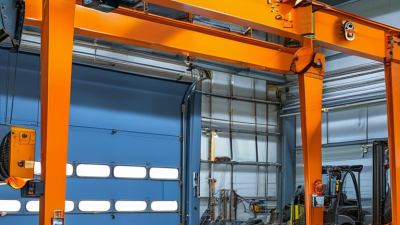
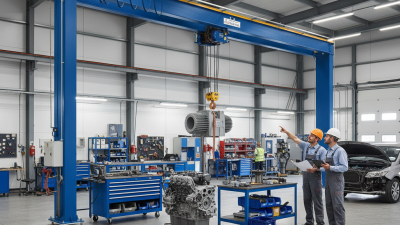
Key elements include the hoist, trolley, and runway. The hoist lifts and lowers loads, while the trolley moves it along the beam. The runway supports the entire system and is often mounted on the walls or ceiling of the garage. Each component plays a crucial role in ensuring efficiency and reliability in lifting operations.
Tips: Choose a hoist that matches the weight requirements of your most common loads. Ensure you select a crane with adjustable trolleys for flexibility in movement. This can save time and reduce wear on your equipment.
Additionally, consider safety features. Load limiters, emergency stops, and motion sensors can prevent accidents. Understanding the dimensions of your workspace is vital.
Cranes can occupy significant space, impacting your garage’s functionality. Measure carefully before purchasing a system.
Tips: Check for clearance to prevent obstructions. Regularly inspect these features to ensure they operate correctly. An overlooked safety feature might lead to costly mistakes down the line.
Identifying Your Load Requirements and Specifications
Choosing the right garage overhead crane starts with understanding your load requirements and specifications. Accurately estimating the weight you need to lift is crucial. According to industry data, nearly 50% of overhead crane accidents arise from improper load calculations. Therefore, you must determine the heaviest items you will handle and their dimensions.
Consider the frequency of usage as well. Frequent lifting requires a crane capable of enduring heavy cycles without deterioration. For occasional use, a lighter model could suffice. Keep in mind that safety ratings matter; cranes should meet relevant standards to prevent mishaps.
Tip: Always conduct a thorough analysis of your workspace and lifting needs before making a decision. Think about clearances, the height of lift, and the type of loads. Reflect on whether your requirements might change over time, as building fluctuations might demand different specifications.
Choosing the right option requires careful consideration of several factors. Capacity isn’t the only thing to weigh. Operational efficiency, maintenance needs, and cost also play pivotal roles. It’s essential to consult with professional experts who can guide you according to your unique situation.
How to Choose the Right Garage Overhead Crane for Your Needs?
| Load Capacity (tons) |
Span Length (feet) |
Lift Height (feet) |
Power Source |
Control Type |
| 1 |
20 |
10 |
Electric |
Remote Control |
| 2 |
30 |
15 |
Hydraulic |
Wired Control |
| 3 |
40 |
20 |
Electric |
Wireless Control |
| 4 |
50 |
25 |
Gas |
Joy Stick Control |
Evaluating Available Space and Installation Considerations
When selecting the right garage overhead crane, evaluating available space is crucial. A careful assessment helps determine the optimal type and capacity of the crane. Measure the height, width, and length of your garage. Take note of any obstructions like beams or lighting fixtures. These details shape your decision-making process.
Installation considerations should also be part of your evaluation. Ensure that your garage ceiling can support the weight of the crane and its load. Some installations require additional reinforcements. Think about the layout for the crane's operation. Will it need to travel from one end to another? Is there enough clearance for movement? These factors affect safety and efficiency.
Reflecting on your choices and planning is essential. Avoid rushing into a decision based solely on cost. The layout needs might evolve over time. Regularly reassessing your space will ensure continued effectiveness. The right overhead crane can significantly improve workflow and productivity in your garage.
Comparing Different Types of Garage Overhead Cranes
When selecting a garage overhead crane, understanding the types available is crucial. Generally, there are two main categories:
single girder and double girder cranes.
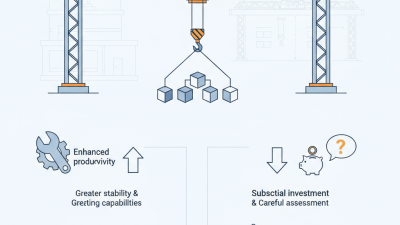
Single girder cranes are lighter and easier to install.
They are ideal for smaller spaces, allowing up to 5 tons of lifting capacity. According to industry reports, around 60% of small garages opt for this type.
Conversely, double girder cranes offer greater lifting capabilities and stability.
They can handle weights of up to 20 tons. This makes them suitable for heavier loads and larger garages.
However, they require more space and are typically more expensive, generating concerns about budget constraints.
Industry data suggests that only about 30% of facilities utilize these cranes due to cost.
Beyond type, it's vital to consider the crane's span, lifting height, and control mechanisms.
These factors can significantly affect your workflow and efficiency.
If the crane doesn't meet your specific needs, it might lead to unnecessary costs and safety risks.
Many users reflect on their choices, realizing afterward that assessments were insufficient.
It’s essential to invest time in evaluating every aspect before making a decision.
Assessing Safety Features and Compliance Standards in Crane Selection
Choosing the right garage overhead crane involves careful consideration of
safety features and compliance standards.
Safety should always be a priority. Look for cranes
with overload protection systems. These systems can prevent accidents caused by excessive loads.
Also, ensure the crane has emergency stop buttons easily accessible
to operators. These features can significantly reduce risks in busy work environments.
Compliance with industry regulations is crucial. The crane must meet national safety standards.
This includes regular inspections and maintenance checks. Operators should be trained on these regulations to guarantee
safety procedures are followed. It may also be beneficial to consult with an expert in crane operations to ensure all standards are met.
Reflect on your specific needs and workspace. Not every crane suits every environment.
For instance, low ceilings may limit crane options. Evaluate your operational needs before making a decision.
It’s essential to continually reassess safety protocols and equipment performance, as these factors can change over time.