How to Choose the Best Garage Overhead Crane for Your Needs?
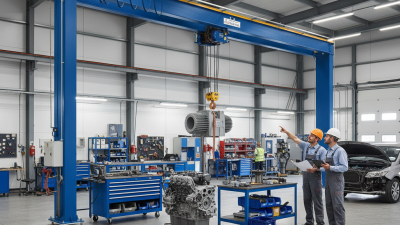
Choosing the best Garage Overhead Crane is a critical decision for any facility. According to a report from the Material Handling Industry of America (MHIA), facilities using overhead cranes can improve productivity by up to 20%. This highlights the importance of selecting the right crane that meets specific operational needs.
Expert John Miller, a leading figure in the crane industry, states, "Understanding your load requirements is vital for choosing the right Garage Overhead Crane." His insight emphasizes the need for careful consideration of factors like load capacity, space, and intended use.
Many users overlook the importance of these details. This can lead to poor performance or safety issues. Data shows that nearly 30% of crane accidents stem from improper selection. Regular maintenance and training are equally important once a crane is selected. Therefore, thoughtfully analyzing your requirements before purchasing a Garage Overhead Crane is essential for safe and effective operations.
Understanding the Different Types of Garage Overhead Cranes
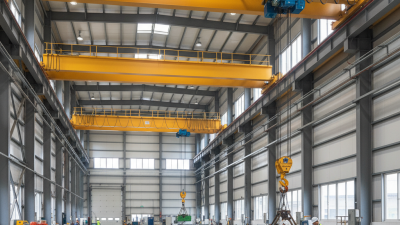
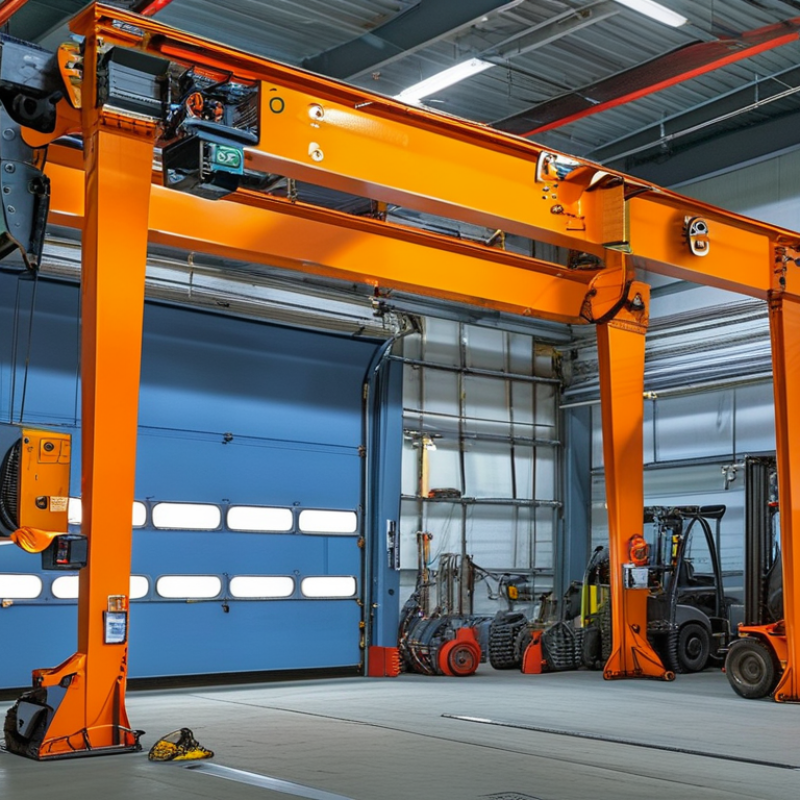
When it comes to selecting a garage overhead crane, understanding the different types is essential. There are several types, including bridge cranes, gantry cranes, and jib cranes, each serving unique functions. Bridge cranes are ideal for large spaces and can cover extensive areas. Gantry cranes are movable and versatile, perfect for outdoor use. Jib cranes offer a compact solution for smaller workshops. Choosing the right type depends on the specifics of your workspace.
Tips: Consider the weight capacity you need. This will affect your crane choice significantly. Ensure the crane can handle your heaviest loads. Additionally, think about the height of your garage. A crane that is too tall may be impractical. Always measure your space before shopping.
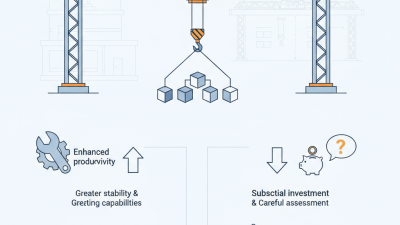
Evaluate the installation process. Some cranes require professional installation, while others are DIY-friendly. Research the assembly requirements carefully. It’s critical to reflect on the long-term maintenance of the crane. A more robust crane might need less frequent repairs. However, it could also incur higher initial costs. Balancing features and budget is key to finding what works best for you.
Comparison of Different Types of Garage Overhead Cranes
Evaluating Load Capacity and Weight Specifications for Your Project
When selecting a garage overhead crane, evaluating load capacity and weight specifications is crucial. Load capacity refers to the maximum weight the crane can safely lift. Misjudging this can lead to accidents or equipment damage. Always consider the heaviest item you plan to lift. It is wise to choose a crane with a higher capacity than you expect. This will provide a safety buffer.
Consider the weight specifications of the items involved in your projects. Knowing the weight distribution is key. If your loads are unevenly distributed, you may need a crane designed for better stability. Factors such as the shape and size of the load can influence the crane's performance. Pay attention to these details as they impact safety and efficiency.
Many users overlook maintenance when evaluating these cranes. Regular checks can reveal underlying issues. Inspecting wear and tear helps ensure the crane operates safely. Emphasizing regular evaluations will ensure longevity and performance. This ongoing attention can minimize costly downtimes. Understanding your specific needs will guide you in selecting the right crane. Aim for a balance between capacity, weight specifications, and reliability.
Assessing Space and Height Requirements for Installation
When selecting a garage overhead crane, analyzing your space and height requirements is crucial. Start by measuring the dimensions of your garage. Knowing the length, width, and height allows for better planning. A crane should be adapted to these specific measurements to ensure seamless operation. Think about how much room you need for maneuvering equipment and vehicles.
The height is particularly significant. Identify the overhead space available for installation. You want enough clearance for the crane to operate efficiently. Take note of any beams or other obstructions in the garage. Sometimes, unexpected challenges arise. For instance, existing structures may limit crane height. This could affect lifting capacity.
Pay attention to the overall design of your garage. An open design allows flexibility. However, cluttered spaces can complicate installation and usage. It's advisable to assess the layout thoroughly. Reflecting on your unique situation helps in making an informed choice. This ensures the crane enhances productivity rather than hinders it.
Comparing Durability and Material Quality in Crane Options
When selecting an overhead crane, material quality matters significantly. Steel is common due to its strength and resilience. However, not all steel is the same. Cheaper options might use lower-grade materials that can wear down quickly. This can lead to costly repairs or replacements. Invest in higher-quality steel to ensure longevity and safety.
Durability can also hinge on design and construction methods. Welds should be robust, and joints need to be properly reinforced. Pay attention to how cranes have been treated against rust and corrosion. Protective coatings can enhance lifespan, especially in humid environments. Avoid cranes lacking these vital features.
Consider the weight capacity and operational frequency, too. Some cranes are built for heavy, daily use. Others may be suited for lighter, less frequent tasks. An improper selection can lead to mechanical failures. Always assess your specific needs and match them with options that reflect quality and durability. Make informed choices to prevent disappointing outcomes.
How to Choose the Best Garage Overhead Crane for Your Needs? - Comparing Durability and Material Quality in Crane Options
| Crane Type |
Material |
Load Capacity (tons) |
Durability Rating (Years) |
Maintenance Frequency (Months) |
| Single Girder Crane |
Steel |
5 |
10 |
12 |
| Double Girder Crane |
Alloy Steel |
10 |
15 |
10 |
| Jib Crane |
Mild Steel |
2 |
8 |
6 |
| Portable Crane |
Aluminum |
1 |
5 |
4 |
| Overhead Monorail Crane |
Steel |
3 |
12 |
8 |
Identifying Safety Features and Compliance Standards to Consider
When selecting a garage overhead crane, safety features and compliance standards are crucial. Industry research indicates that up to 70% of crane-related accidents stem from safety oversight. Features like automatic shut-off systems, overload protection, and emergency stop buttons are essential. They ensure the operation remains safe under all conditions.
Compliance with standards such as OSHA (Occupational Safety and Health Administration) and ASME (American Society of Mechanical Engineers) is non-negotiable. Cranes that meet these standards often have better design protocols and operational safety systems. The National Safety Council reports that workplaces adhering to compliance standards reduce accident rates significantly.
Employing cranes without evaluating their safety features can lead to costly mistakes. It's not just about purchasing equipment; it's about ensuring that the equipment is suitable for your environment. Regular audits of safety features should be conducted to maintain operational reliability. Data shows companies investing in safety training experience a 20% decrease in incidents. Thus, investing time in analysis can lead to improved work conditions.