Why Choose Wall Crane for Your Lifting Needs?
In the evolving landscape of industrial lifting solutions, the choice of equipment is crucial. Wall cranes are increasingly favored due to their versatility and efficiency. According to a recent report by MarketsandMarkets, the global crane market is projected to reach $38.1 billion by 2027, indicating robust demand for efficient lifting solutions.
Wall cranes offer numerous advantages. They can optimize available space and enhance safety by allowing precise load handling. In fact, a study from the National Institute for Occupational Safety and Health reported a 25% reduction in workplace injuries when utilizing specialized lifting equipment like wall cranes.
However, not all wall cranes are created equal. It's essential to evaluate their specifications and suitability for specific tasks. Some models may not support heavy loads or complex maneuvers. Considering these factors ensures that your investment in a wall crane aligns with your operational needs.
The Advantages of Wall Cranes Over Other Lifting Equipment
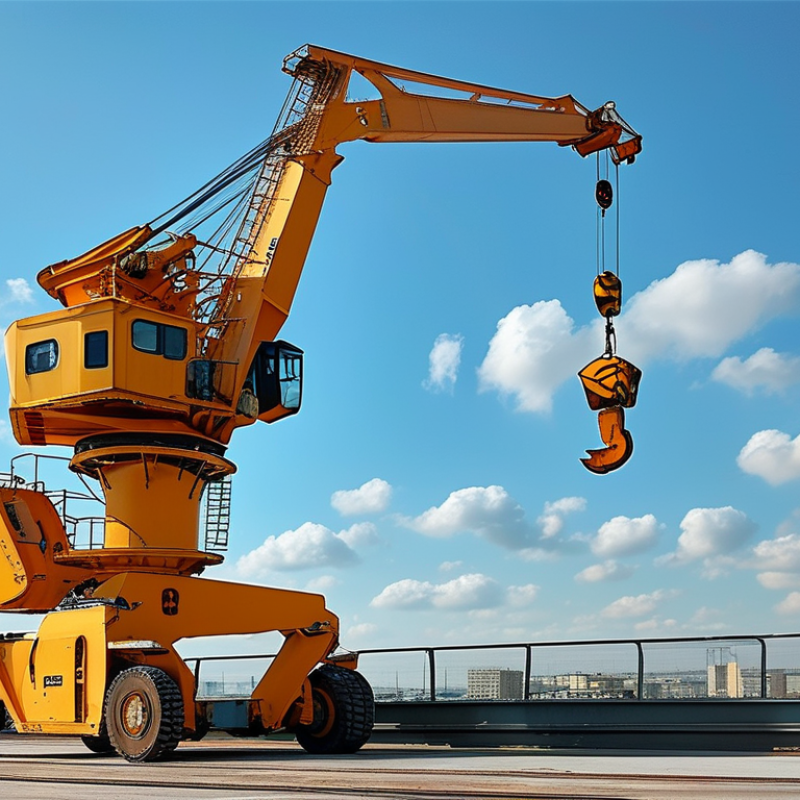
Wall cranes offer unique advantages for various lifting needs. Their design allows for efficient utilization of space. Unlike traditional cranes, wall cranes can be mounted directly on walls, providing flexibility in operational areas. This space-saving feature is crucial for facilities with limited floor space.
According to industry reports, wall cranes can improve operational efficiency by up to 25%. Their installation can lead to reduced downtime during lifting tasks. This boost in efficiency is supported by studies showing that skilled operators can safely lift loads up to 2 tons in tight spaces. The ability to maneuver in restricted areas makes wall cranes particularly valuable in warehouses and manufacturing plants.
Despite these advantages, some users may overlook maintenance needs. Regular inspections are vital to ensure optimal performance. Neglecting this can lead to safety risks or equipment failure. It is essential to train operators effectively. This ensures they understand both the benefits and limitations of wall cranes.
Key Factors Driving the Adoption of Wall Cranes in Various Industries
Wall cranes are becoming increasingly popular across various industries. Companies recognize their efficiency and flexibility in lifting operations. According to a recent market analysis, the wall crane market is projected to grow by 6.5% annually. This statistic highlights their importance in modern workplaces.
One of the key factors driving their adoption is space optimization. Wall cranes can be installed in tight areas, maximizing limited workspace. This is crucial for factories and warehouses facing logistical challenges. Some reports suggest that over 70% of businesses prefer equipment that enhances their operational footprint. The ability to lift heavy loads without occupying floor space is invaluable.
Safety is another critical concern. Wall cranes come equipped with safety features like overload protection and emergency stop buttons. A study showed that workplaces implementing wall cranes saw a 30% decrease in accidents related to lifting materials. However, effective training is necessary. Some employees may struggle with proper usage initially, leading to potential accidents if not addressed. Regular training and updates can help mitigate these challenges.
Industry Statistics: Performance and Efficiency of Wall Cranes
Wall cranes have become essential in various industries due to their unique lifting capabilities and efficient design. Industry statistics showcase that wall cranes can reduce lifting time by 30%, helping companies optimize their workflow. Their compact structure allows them to fit in tighter spaces, making them ideal for warehouses and factories with limited room. This flexibility can lead to an increase in productivity, which is crucial in today’s fast-paced market.
Efficiency is another key factor when evaluating wall cranes. Studies reveal that they consume less energy than traditional hoists, contributing to reduced operational costs. However, it’s important to note that improper usage can lead to accidents or inefficiencies. Workers must undergo training to maximize the crane’s capabilities. Such understanding enhances safety and performance.
While wall cranes offer many benefits, they are not without limitations. The load capacity can vary greatly based on installation and maintenance. Regular inspections are necessary to ensure optimal performance. Industry experts often emphasize the need for vigilance in crane management. Ignoring these factors can lead to operational setbacks. As a result, users must stay informed and proactive to reap the full advantages of wall cranes in their operations.
Safety Considerations and Regulations for Wall Crane Usage
When considering wall cranes, safety is a paramount concern. Wall cranes must adhere to specific regulations and safety standards. These rules are designed to protect both operators and bystanders. Regular inspections play a key role in this process. Cranes should be examined at least annually by a qualified professional. Their condition can significantly impact safety.
Operator training is crucial for effective wall crane use. Workers must understand the equipment's mechanics and limitations. Misunderstandings can lead to accidents. For example, overloading the crane can cause severe injuries or property damage. Each employee should complete a proper training program. Awareness of load capacities and operating procedures is essential.
Emergency procedures should be in place for all crane operations. These protocols help minimize risks in unexpected situations. Operators must know how to respond quickly and effectively. It's important to have a clear communication system in place. This ensures everyone is informed about potential dangers. Safety gear, such as helmets and gloves, should always be used during operations. Observing these safety considerations can address many of the risks associated with wall crane usage.
Why Choose Wall Crane for Your Lifting Needs? - Safety Considerations and Regulations for Wall Crane Usage
| Criteria |
Description |
Regulation/Standard |
Safety Tips |
| Load Capacity |
Maximum weight that can be lifted safely. |
OSHA Standard 1910.178 |
Always test load before full use. |
| Installation |
Proper installation is crucial for safety. |
ASME B30.17 |
Hire qualified professionals for installation. |
| Operator Training |
Trained operators reduce accidents. |
ANSI/ASSP Z490.1 |
Regularly refresh training and evaluations. |
| Inspection |
Regular inspections prevent failures. |
ISO 9926 |
Maintain a checklist for inspections. |
| Environmental Conditions |
Consider surroundings where wall crane is used. |
ANSI/ASME B30.2 |
Ensure stable ground and no overhead hazards. |
Cost-Benefit Analysis: Investing in Wall Cranes for Long-Term Gains
Investing in wall cranes can yield significant long-term benefits. These cranes offer efficient lifting solutions for various industries. Their design allows for optimal space utilization, making them ideal for tight work environments. Many businesses have reported reduced labor costs as a result of increased productivity.
When considering wall cranes, it's crucial to assess your specific lifting needs. Analyze the types of loads you will handle. Evaluate the frequency of use to ensure you choose the right model. This deliberate planning can prevent costly mistakes and inefficiencies later.
Tip: Regular maintenance can extend the life of your wall crane. Inspect it frequently for wear and tear.
Moreover, wall cranes can improve workplace safety. A well-placed crane minimizes the risk of accidents associated with manual lifting. However, training employees on proper usage is essential to maximize safety and efficiency.
Tip: Provide regular training sessions to ensure all operators are up to date with best practices. This investment in knowledge will pay off.