Leave Your Message
Choosing the right Shop Overhead Crane begins with the work, not the catalog.
A 10-ton crane may appear efficient, yet it can become unsafe or wasteful in a narrow workshop. Load weight, lifting frequency, span, headroom, runway length, duty class, and operator visibility all matter. So does the floor. A weak supporting structure can defeat an excellent crane.
MHI’s 2024 Annual Industry Report highlights continuing pressure from labor shortages, productivity demands, and technology investment. These trends make reliable material handling increasingly important. However, automation is not always the answer. Some workshops need simple pendant controls, while others benefit from radio control, variable-frequency drives, or load monitoring. The best decision depends on real movements, not fashionable features.
OSHA 1910.179 and CMAA Specification No. 70 provide essential guidance on rated capacity, inspections, controls, and crane service classification. ISO 9927 also emphasizes systematic inspection practices. These documents create a professional foundation, but they cannot replace a site assessment.
Industrial-safety expert H.W. Heinrich wrote, “An accident is an unplanned and uncontrolled event.” His warning remains relevant when selecting a crane. A poorly matched trolley, blind lifting zone, or overloaded runway can turn routine handling into serious exposure.
That sounds simple. It is not.
This guide examines how to compare capacity, duty cycle, structure, controls, maintenance, and total ownership cost. It also questions a common assumption: the cheapest crane is rarely the cheapest solution. A careful choice should leave clear safety margins, practical access, and room for future production changes. Mistakes happen when specifications look complete but the workshop’s daily reality was never measured.
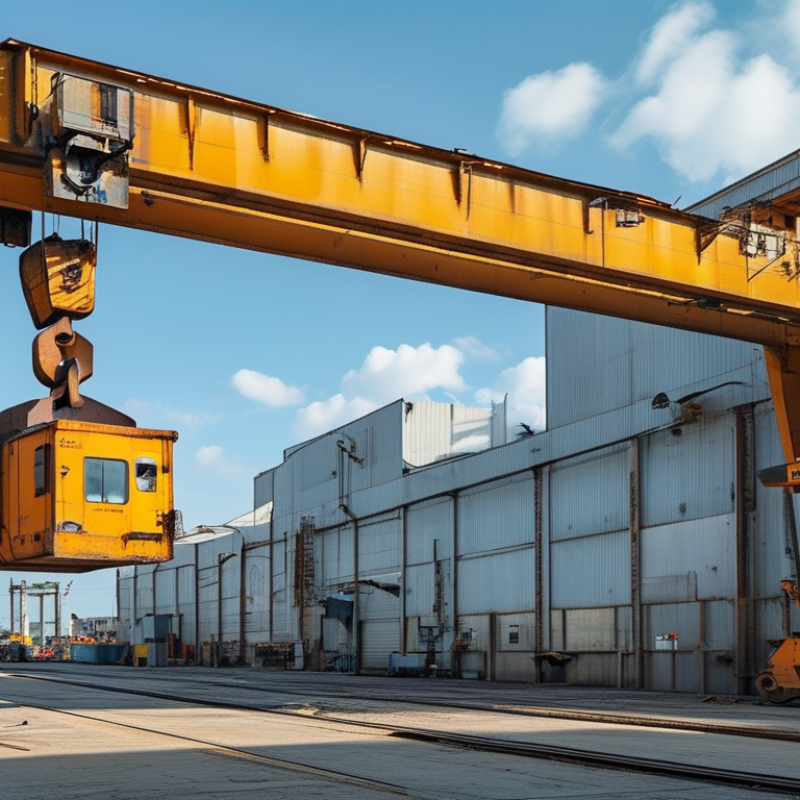
Before choosing an overhead crane, measure what your shop actually lifts. Record the heaviest load, typical load, dimensions, and lifting points. A 2-ton machine may need more capacity when fixtures, slings, and future upgrades are included. Do not guess.
Map each lifting route from storage to the work area. Measure bay width, runway length, ceiling height, and available headroom. Note columns, lighting, sprinklers, doors, and other obstructions. A low ceiling can limit hook height and reduce practical lifting space. Load frequency matters too. Occasional maintenance work needs different duty performance than continuous production.
Consider how operators will control and position each load. Push-button controls, pendant controls, and remote operation offer different levels of visibility and convenience. The surrounding environment also matters. Dust, heat, moisture, and corrosive materials can affect components and maintenance intervals. In shop assessments, I check floor condition and supporting structures with qualified personnel, not from drawings alone. The structure may look adequate. It may not be.
I once estimated capacity from the heaviest part only. That estimate was wrong. The lifting fixture added significant weight, and the available headroom was insufficient. Leave room for unusual jobs, but avoid buying excessive capacity without a clear reason. Oversized equipment can increase cost, structural demands, and operating complexity. Keep records of load weights, lifting frequency, travel distances, and operator feedback before requesting a crane design.