China Top Jib Crane Manufacturers and Suppliers?
Choosing among China’s top Jib Crane manufacturers and suppliers requires more than comparing prices. A dependable supplier should demonstrate engineering experience, verified production capacity, and clear quality procedures. Buyers should examine load charts, duty classifications, rotation angles, mounting methods, and electrical protection. These details affect daily performance, maintenance costs, and operator safety.
As lifting-equipment safety specialist Dr. John W. Chappel observed, “Safety begins before the load leaves the floor.” This principle remains practical when evaluating Chinese manufacturers. A strong supplier should provide design calculations, material certificates, welding controls, factory testing, and installation guidance. It should also explain how the Jib Crane performs under repeated lifting cycles, outdoor exposure, and limited workspace conditions.
Real projects are rarely perfect. Floor strength may be underestimated. A painted specification may hide weak after-sales support. Delivery promises can also change. Therefore, this guide considers both documented capabilities and possible limitations. It reviews manufacturers by product range, customization experience, export service, technical support, and customer feedback. Certifications matter, but they do not replace careful communication.
Ask specific questions.
Request drawings early. Confirm spare-part availability. Check whether engineers understand your site conditions, not merely your requested tonnage. A trustworthy supplier welcomes these questions and records the answers clearly. The best choice may not be the cheapest quotation. It is usually the supplier that combines sound design, consistent manufacturing, responsive service, and honest limitations. No ranking is permanent, so readers should verify current certifications, references, and factory information before signing a contract.
Jib Crane Types and Key Specifications: Capacity, Reach, and Lift Height
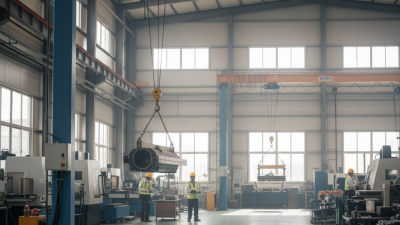
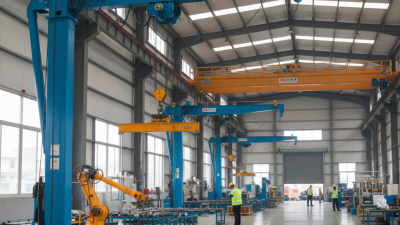
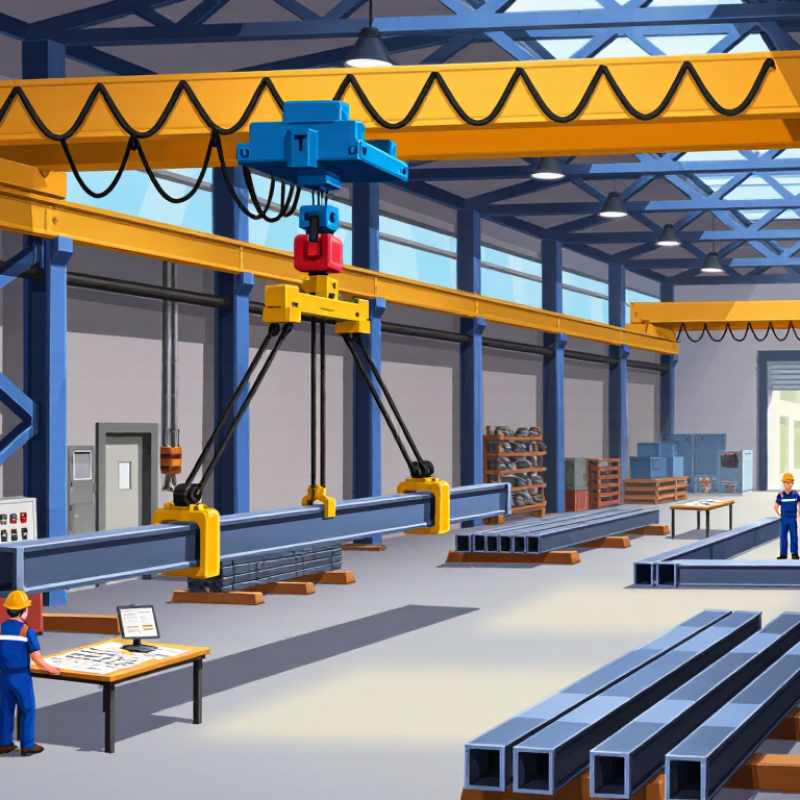
Jib cranes vary by structure and duty. Floor-mounted models suit open workshops. Wall-mounted units save valuable floor space. Travelling jibs serve long production lines. Articulated jibs reach around obstacles, but their joints need careful inspection. Capacity commonly ranges from 125 kilograms to 10 tonnes. Heavy-duty designs can exceed that range. Reach often falls between 2 and 10 metres. Lift height depends on the column, beam, and hook approach.
A 2024 MarketsandMarkets outlook values the global crane market at about USD 33 billion. It forecasts growth toward roughly USD 43 billion by 2029. This expansion increases demand for compact lifting equipment in factories and warehouses. Yet market growth does not make every specification suitable. A 2-tonne rating may apply only near the column. At full reach, allowable load can drop sharply. That detail is often missed.
Lift height should include headroom, hook travel, and the lowest safe hook position.
Engineers should verify column loads, foundation strength, swing clearance, and duty class. ISO 4301-5 supports crane classification by operating cycles and load spectrum. ASME B30.11 also addresses monorail and underhung crane safety practices. In supplier evaluations, request load-test records, material certificates, weld inspection results, and maintenance guidance. A neat catalog figure can still mislead. I have seen projects specify reach first, then discover blocked doors and poor aisle clearance. Site measurements are less exciting, but more reliable.
China’s Jib Crane Market: Standards, Capacities, and Industry Applications
China’s jib crane market serves factories, warehouses, ports, workshops, and maintenance areas. Common models support loads from 0.5 to 10 tonnes, while engineered systems can handle higher capacities. Working radii often range from 2 to 10 metres. Larger outreach reduces usable capacity, however, and this detail is sometimes overlooked.
Chinese manufacturers and suppliers usually design equipment around GB/T 3811 crane principles, with ISO or FEM classifications used for international projects. Buyers should check structural calculations, welding procedures, electrical protection, brake performance, and load testing records. A reliable supplier should provide drawings, inspection documents, installation guidance, and spare-parts information. Certificates alone are not enough.
Floor-mounted jib cranes suit fixed production stations. Wall-mounted units save space along assembly lines. Freestanding designs support wider coverage in open workshops. Slewing angles may be 180, 270, or 360 degrees, depending on the structure and foundation. Variable-speed hoists improve control near fragile components. Simple controls remain valuable in dusty environments.
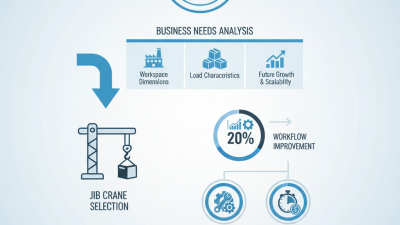
Capacity is not the only purchasing measure. Foundation strength, duty cycle, ambient temperature, corrosion, and operator visibility affect long-term safety. Site conditions are rarely perfect. A supplier may offer an attractive capacity, yet the building column may not tolerate the reaction force. That weakness deserves careful review. Practical buyers should request a site survey before approving final specifications.
China Jib Crane Market: Standards, Capacities, and Industry Applications
The chart shows representative rated-capacity ranges commonly specified for jib crane applications in China. These are engineering reference ranges rather than market-share or company-specific data; the final capacity depends on duty class, outreach, lifting height, foundation design, operating environment, and safety calculations.
China-market jib crane projects are typically designed with reference to applicable requirements such as GB/T 3811 for crane design principles, GB/T 6067.1 for crane safety, and relevant product, electrical, structural, and workplace safety standards.
Top Manufacturer Criteria: Load Tests, ISO 9001, CE, and GB/T Compliance
China Top Jib Crane Manufacturers and Suppliers?
A reliable jib crane manufacturer should prove performance before discussing price. Ask for documented load tests using the crane’s rated capacity, not only photographs or verbal assurances. During a factory inspection, check the test weight, lifting height, deflection readings, brake response, and emergency stop function. The test area should look controlled, with clear records and trained personnel.
Look for a valid ISO 9001 quality management certificate, but read its scope carefully. It should cover crane design, production, inspection, or related activities. CE documentation should match the actual model and supplied components. A declaration without technical files is weak evidence. GB/T compliance also matters for projects using Chinese standards. Request the exact standard numbers, inspection procedures, and material certificates.
Details reveal experience. Weld seams should be visually consistent, with inspection records available for critical joints. Electrical cabinets need labeled terminals, protective devices, and readable wiring diagrams. Ask how overload protection and limit switches are tested. In practice, some suppliers present excellent certificates but provide incomplete after-sales documents. That deserves attention. Certification is useful, not magical. A careful buyer should compare test reports, production controls, spare-parts support, and the supplier’s response to technical questions. The strongest supplier is not always the cheapest. Sometimes, the cheapest quotation hides missing inspections or unclear responsibilities.
Supplier Comparison: Lead Time, Warranty, Customization, and After-Sales Support
When comparing China’s top jib crane manufacturers and suppliers, lead time deserves more than a delivery promise. Ask for a production schedule, drawing approval date, inspection window, and shipping estimate. A credible supplier explains every stage clearly. For a standard two-ton wall-mounted crane, a realistic factory schedule may take three to six weeks. Site measurements can change that plan. Not always reliable.
Warranty terms should identify covered components, labor limits, response times, and exclusions. A two-year warranty sounds attractive, but unclear wording has little practical value. Confirm whether the warranty covers the motor, gearbox, electrical controls, brake, and structural welds. Request previous service records when possible. Ask for evidence. A professional supplier should provide inspection documents, load-test results, and installation guidance without hesitation.
Customization affects both price and delivery. Discuss lifting capacity, arm length, rotation range, mounting method, power supply, pendant controls, and working height. Request engineering drawings before production begins. Small details matter. After-sales support should include spare-parts availability, remote troubleshooting, commissioning help, and technician access. Some quotations appear cheaper because installation and operator training are excluded. I have found this comparison uncomfortable, but it is important. The lowest initial price may create longer downtime later. A dependable supplier gives realistic answers, admits technical limits, and records every agreed specification.