Top 10 Container Gantries You Need to Know About?
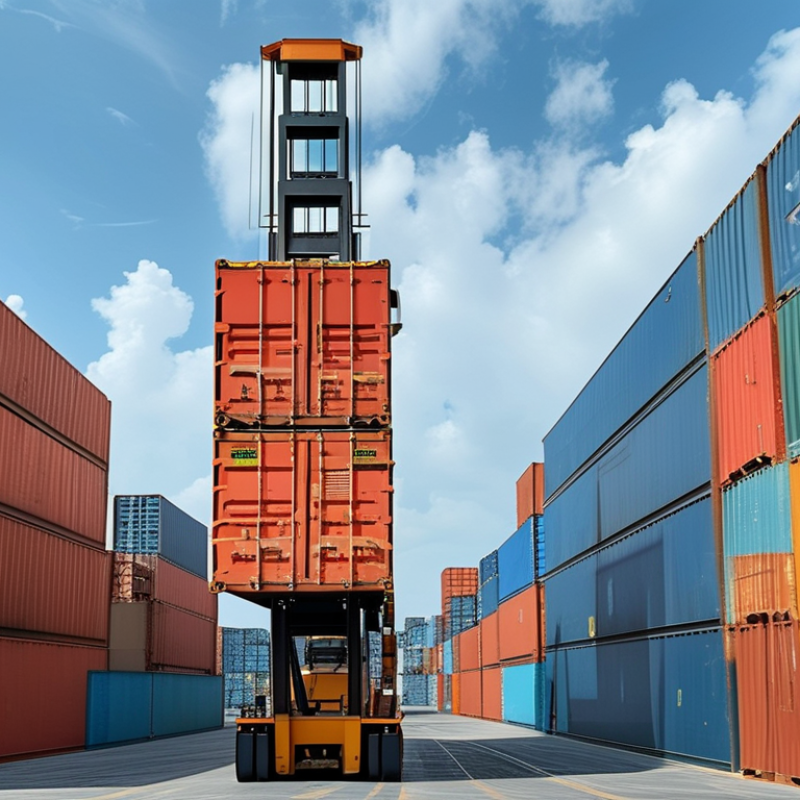
Container gantries play a vital role in the logistics and shipping industries. These structures are essential for efficiently moving shipping containers. They enhance productivity and ensure safety at ports and terminals worldwide. Understanding the different types of container gantries can help professionals make better choices for their operations.
In this article, we explore the top 10 container gantries you need to know about. Each option varies in design, functionality, and capacity. These differences can significantly impact a facility's efficiency. Assessing these factors is important for anyone involved in container handling.
While some gantries may excel in technology, others might lack adaptability. This balance of strengths and weaknesses prompts reflection on your specific needs. Ultimately, selecting the right container gantry can lead to improved operations. Choose wisely, and enhance your container management strategy.
Overview of Container Gantries and Their Importance
Container gantries play a crucial role in modern logistics and supply chains. These structures are designed for loading and unloading shipping containers efficiently at ports. According to a report by the International Maritime Organization, container shipping accounts for about 90% of global trade volume. This statistic underlines the significance of gantries in maintaining the flow of goods worldwide.
The technology behind container gantries has evolved significantly. For instance, an estimated 25% of port operations now utilize automated systems, leading to increased efficiency. However, this also raises concerns about potential job displacement and the need for worker retraining. Furthermore, while automation improves speed, it can also introduce errors and mechanical failures, requiring careful oversight and maintenance. The challenge lies in balancing efficiency with reliability.
Proper maintenance is essential in ensuring the longevity of gantries. Data from the World Ports Sustainability Program reveals that poorly maintained structures can lead to increased operational costs. Additionally, as ports modernize, older gantries may not meet current safety standards, presenting risks. These points highlight areas where advancements can be made, ensuring that container gantries remain effective and safe in this ever-evolving industry.
Key Features of Modern Container Gantry Cranes
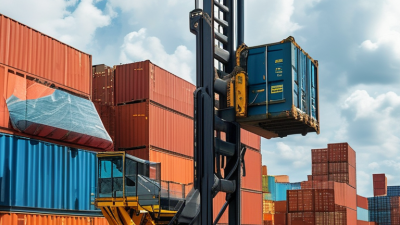
Container gantry cranes are crucial for efficient port operations. These cranes are designed to handle shipping containers with precision and speed. They typically feature a sturdy steel frame, which ensures stability during operation. The adjustable spreader bar helps in gripping containers securely. This versatility makes them suitable for various container sizes.
Modern gantries incorporate advanced technologies. Automated systems enhance precision and reduce human errors. Sensors and cameras help in monitoring the load and positioning, ensuring safety. The user interface is often touchscreen-based, making operation easier. However, the reliance on technology also raises concerns about cybersecurity risks.
While these cranes operate effectively, maintenance is key. Regular inspections are necessary to prevent equipment failure. Additionally, operators must be well-trained to handle emergencies. This attention to detail is vital to ensure smooth operations, but companies sometimes overlook training programs. They must balance innovation with practical training needs to achieve optimal performance in their operations.
Top 10 Noteworthy Container Gantries Around the World
Container gantries play a crucial role in modern logistics. They are vital for loading and unloading containers at ports. The efficiency of these gantries directly impacts port operations.
Globally, ports move over 700 million twenty-foot equivalent units (TEUs) annually. This demand emphasizes the importance of reliable and advanced gantry systems. Techniques such as automated scheduling have improved turnaround times. However, some terminals still struggle with outdated machinery. This creates bottlenecks and affects global trade flow.
Noteworthy gantries can be found in major ports. One such example is in Singapore, known for its high throughput. Meanwhile, ports in Rotterdam utilize cutting-edge technology for faster processing. However, safety failures and maintenance issues remain challenges in many locations. Reliability is paramount, and adopting newer designs can prevent accidents. This evolving landscape highlights the need for innovation in gantry systems.
Top 10 Noteworthy Container Gantries Around the World
| Rank |
Location |
Height (m) |
Max Load (tons) |
Year Built |
| 1 |
Shanghai, China |
40 |
65 |
2002 |
| 2 |
Singapore |
46 |
70 |
2010 |
| 3 |
Hong Kong |
42 |
68 |
2005 |
| 4 |
Rotterdam, Netherlands |
38 |
60 |
2000 |
| 5 |
Hamburg, Germany |
44 |
67 |
2008 |
| 6 |
Los Angeles, USA |
39 |
64 |
2012 |
| 7 |
Busan, South Korea |
45 |
72 |
2007 |
| 8 |
Valencia, Spain |
37 |
62 |
2003 |
| 9 |
Antwerp, Belgium |
43 |
66 |
2004 |
| 10 |
Dubai, UAE |
48 |
74 |
2015 |
Innovations and Technological Advancements in Gantry Design
Innovations in gantry design are reshaping container handling. Advancements in materials and engineering have led to lighter yet more robust gantries. This evolution allows for increased load capacities, enhancing operational efficiency. Moreover, the integration of smart technology offers real-time monitoring capabilities. These features provide critical data to operators, ensuring safer and more efficient operations.
Sustainability is a key concern. Many new designs focus on energy efficiency and reducing the carbon footprint. Electric gantries are gaining traction, minimizing pollution at ports. However, challenges remain in balancing cost and innovation. Companies must evaluate the long-term benefits against initial investments.
Safety advancements are also noteworthy. Improved visibility systems and automated controls are being implemented. These systems reduce the risk of accidents. Yet, reliance on technology can create vulnerabilities. Operators need training to manage these systems effectively. Continuous updates and feedback loops are essential for improvement.
Safety Standards and Regulations for Container Gantries
Container gantries play a critical role in port operations, but safety is paramount. Striking a balance between efficiency and safety is essential. According to the International Labor Organization, over 1,000 accidents related to container handling occur annually. This underscores the need for robust safety standards.
Adhering to safety regulations such as ISO 3874 can mitigate risks. These standards dictate safe practices for loading and moving containers. Operators must be trained not only on machinery but also on safety protocols. Real-world incidents highlight how lapses in training can lead to accidents. Additionally, maintaining equipment is crucial. Regular inspections prevent mechanical failures, which may result in costly accidents and downtime.
Stakeholders should invest in safety audits and training programs. Implementing a culture of safety is vital. A study from the World Maritime University indicates that ports with rigorous safety training see a 30% reduction in incidents. Continuous improvement in these areas can foster a safer environment, promoting overall efficiency. However, there’s always room for progress. Each incident provides lessons and opportunities for refinement.