Leave Your Message
A Motorised Jib Crane can turn a crowded workstation into a more controlled lifting area. Its rotating arm brings loads close to benches, machines, and loading points, reducing repeated manual repositioning. But the right choice is rarely just a question of lifting capacity. Reach, rotation, mounting method, duty cycle, and available floor space all matter. Small differences become obvious when a steel component swings past a machine enclosure or a hoist must stop precisely above a pallet. Details matter.
Industry reports offer useful context, though they do not rank individual jib crane models. MHI’s 2024 Annual Industry Report highlights continued investment in automation and supply-chain technology. That trend puts practical lifting equipment under closer scrutiny: buyers want dependable movement, predictable workflows, and equipment that fits existing operations. Grand View Research’s global crane market coverage also tracks demand across industrial and construction applications, underscoring the breadth of crane use. Neither report replaces a site assessment. A market forecast cannot tell you whether a particular column can support a crane, or whether the arm’s working radius clears nearby equipment.
This guide compares seven motorised jib cranes for buyers in 2026, focusing on specifications that affect everyday use. We look at load ratings, rotation, installation needs, controls, and maintenance considerations. Some advertised features sound impressive but may add little in a compact workshop. That is worth questioning. Treat each model as a candidate, not a recommendation, and verify manufacturer data against your actual loads, operating pattern, and installation conditions.
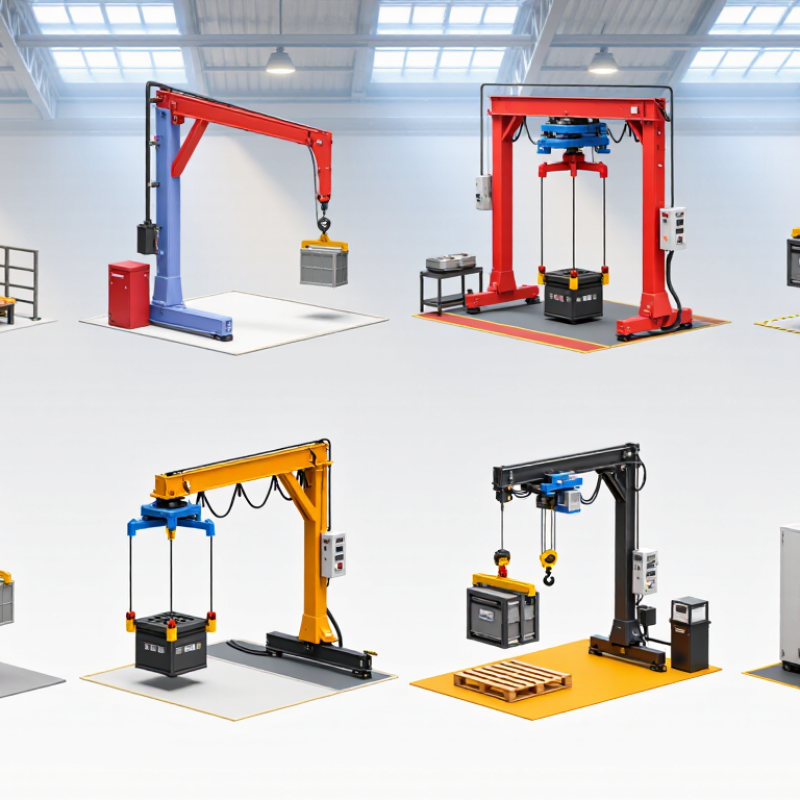
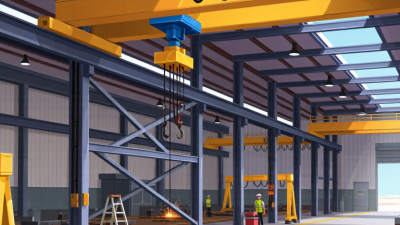
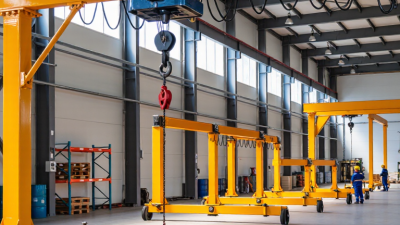
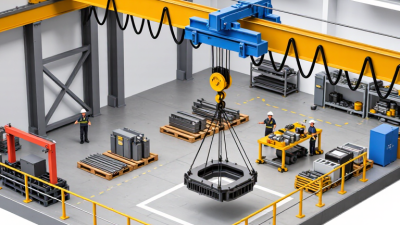
A motorised jib crane is a lifting system with a horizontal arm, or jib, mounted on a column or wall bracket. A hoist raises and lowers the load, while a trolley may move it along the arm. Electric motors can power the jib’s rotation, trolley travel, or both. The exact movement depends on the crane’s design. Some models rotate through a limited arc; others cover a wider work area. It is not a magic shortcut.
During operation, an operator uses a pendant or remote control to position the hook, lift the load, and rotate the arm. Smooth movement helps reduce swinging, but loads can still sway, especially during sudden starts or stops. Capacity, reach, mounting structure, and duty cycle all affect suitability. Check the manufacturer’s load chart and installation requirements before choosing a crane. A strong-looking column alone does not confirm that a floor can support it.
Tips: Match the crane’s reach to the actual work zone, not just the widest possible span. Keep loads within the rated capacity, and avoid side-pulling unless the equipment is designed for it. Inspect the hook, controls, cables, and travel path regularly. A small snag can become a serious problem. Also consider operator visibility; a technically suitable layout may still feel awkward in daily use.