Best Luffing Jib Crane for Sale in 2026
Best Luffing Jib Crane for Sale in 2026 is not simply the model with the greatest lifting capacity. Buyers must match working radius, load, site footprint, erection method, wind conditions, and service support to the project. On a dense urban site, a jib that luffs steeply may help manage limited airspace. But that advantage depends on the crane configuration and operating plan. Details matter.
Reliable market context helps frame the decision. UN DESA’s World Urbanization Prospects: The 2018 Revision projects that 68% of the global population will live in urban areas by 2050, increasing pressure for compact construction in many regions. RLB’s Crane Index tracks tower-crane numbers across selected cities, offering a useful construction-market indicator, not a forecast for every jobsite. CTBUH’s Skyscraper Center documents tall-building development, where lifting strategy and site logistics can affect schedules. These sources do not prove that one crane type suits every project. They do show why buyers should assess operating constraints, not just headline capacity.
For a 2026 purchase, compare load charts at working radius, hook height, counterweight requirements, climbing options, controls, inspection records, parts availability, and commissioning support. Ask suppliers to demonstrate the proposed configuration against the project’s heaviest lifts and tightest working radius. A low purchase price can become costly when components or technical support are missing. There is no universal winner. The best Luffing Jib Crane is the one whose documented performance fits the site and whose supplier can support it through operation. One detail is easily missed. It deserves a second look.
Luffing Jib Cranes Explained: Slewing, Luffing, and Load-Moment Ratings
Best Luffing Jib Crane for Sale in 2026
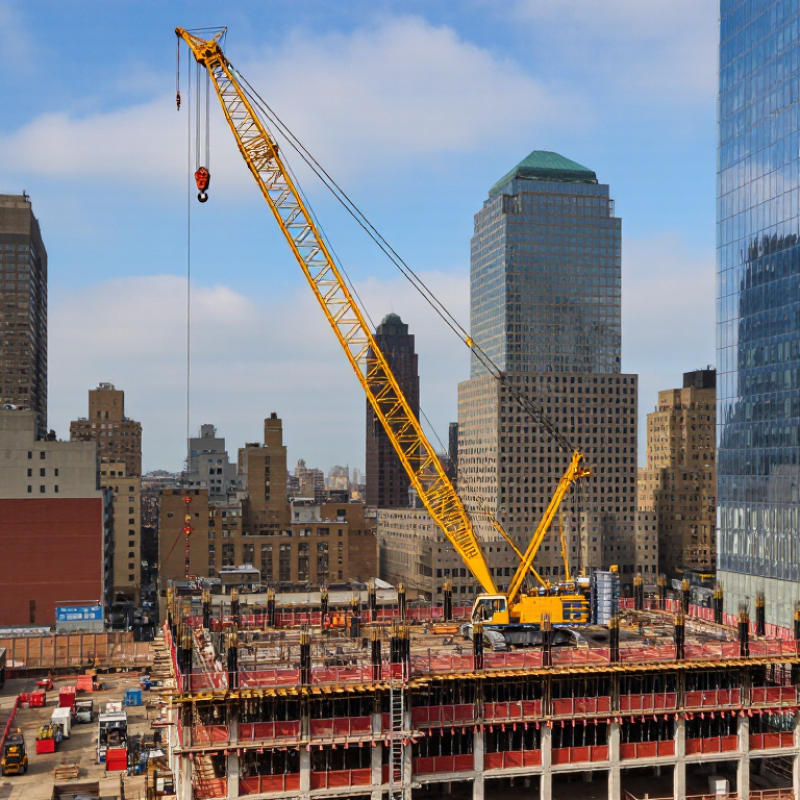
A luffing jib crane rotates around its mast and raises or lowers its jib. Slewing moves the jib horizontally around the tower. Luffing changes its angle, allowing the working radius to shrink when the jib rises. This combination can help on crowded sites, where nearby buildings or cranes limit clearance. It is not just about reaching higher.
Load-moment ratings describe the relationship between a lifted load and its distance from the mast. A heavier load at a shorter radius may fit the crane’s chart, while a lighter load farther out may not. Check the manufacturer’s load chart for the exact jib angle, radius, and configuration. Ratings can change with reeving, counterweight, and operating conditions. A chart looks precise, but real sites rarely feel tidy. Wind and restricted visibility deserve attention, too.
Tips: Compare the planned working radius with the load chart before selecting a crane. Confirm site clearances, lifting height, and setup requirements with a qualified crane professional. Don’t rely on maximum capacity alone.
Compare 2026 Models by Rated Capacity, Jib Radius, and Tip Load
For a 2026 luffing-jib crane, compare the full load chart, not just the headline rated capacity. A crane rated for 12 tonnes near the mast may lift far less at a 50-metre radius. Tip load is the permitted load at the jib’s outer working radius, and it can decide whether a lift is practical. Check the exact radius, counterweight configuration, and reeving shown for each offered model. Small details matter.
RLB’s 2024 Crane Index tracks tower-crane deployment in surveyed cities, but does not provide model-by-model capacity or tip-load figures. Use it for market context, not equipment selection. For technical comparison, request current load charts and verify that their ratings match the crane configuration and site conditions. EN 14439 sets safety requirements for tower cranes, but it does not replace those charts. I would compare three figures side by side: maximum rated capacity, usable jib radius, and tip load at that radius. Then test them against a real lift plan, such as a 4-tonne panel at 45 metres. Published ratings can look reassuring; the site setup may change the answer.
Best Luffing Jib Crane for Sale in 2026: Model Comparison
Compare representative crane classes by rated capacity, maximum jib radius, and indicative tip load.
These class-level figures are illustrative planning values, not verified specifications for specific 2026 models. Actual tip loads vary with configuration and jib length; confirm all capacities using the selected crane’s manufacturer load chart.
Assess Mast Height, Tie-In Spacing, and Climbing Systems for Site Fit
Best Luffing Jib Crane for Sale in 2026
A luffing jib crane must fit the site, not just the lifting schedule. Check the required hook height against the mast configuration and the building’s final elevation. Then map each tie-in level to the structure’s approved connection points. Small gaps matter. Tie-ins set too far apart can affect stability and may require a revised climbing plan. Have a qualified crane engineer review the load data, support locations, and installation sequence before selecting a configuration.
Tips: Measure the clear distance between the crane base and nearby façades. Mark overhead obstructions, delivery routes, and planned floor openings on the same site drawing. Compare those details with the crane’s climbing-system requirements. A climbing frame needs working clearance and a suitable support condition at each stage. Measure twice. Site drawings can lag behind construction changes, so verify critical dimensions in the field.
Ask the supplier for mast-height limits, tie-in spacing requirements, and climbing-system details for the proposed setup. Check how the crane will be supported while it climbs, not only when it reaches full height. Also confirm whether the building can accept each stated tie-in reaction. A neat layout on paper can still miss a beam, opening, or temporary works constraint. That deserves another look before purchase.
Check Wind Limits and Safety Compliance Under EN 14439 and ISO 4301-1
A luffing jib crane’s wind limit is not one number for every site. It depends on the crane configuration, jib position, load, and whether the machine is operating or parked. Ask for separate in-service and out-of-service limits, stated in metres per second, and confirm how gusts are treated. A calm reading at ground level may not represent conditions at the jib tip.
EN 14439 provides safety requirements for tower cranes, including relevant design and protective measures. Request the supplier’s compliance documentation and check that the proposed configuration matches the crane installed on site. ISO 4301-1 classifies cranes and mechanisms by duty; it does not set a universal operating wind speed. Keep those roles distinct. Easy to miss. Compare the classification with your lifting cycle, load spectrum, and expected service life.
Before purchase, review the operating manual, wind alarm settings, anemometer location, and procedures for stopping work and securing the crane. Check the free-standing and out-of-service arrangements against the site plan, especially near buildings that can channel or disturb wind. I have seen paperwork look complete while the actual tie-in plan remained unclear. That is worth questioning. Have a qualified lifting professional verify the documents and site-specific limits before commissioning.
Compare Hoist Speeds, Power Needs, Transport Costs, and Service Support
Choosing the best luffing jib crane for sale in 2026 means comparing more than maximum capacity. Check hoist speeds at the loads you expect to lift, not just the fastest figure in a brochure. A speed of 30 metres per minute may suit light materials, while heavier loads often require slower, controlled movement. Ask for performance data across the working load range. Small differences matter.
Power needs can affect site preparation and running costs. Confirm the crane’s voltage, phase, peak demand, and compatibility with the available supply. If the site uses a generator, ask how starting loads and simultaneous operations affect its sizing. Measure the route, too. Transport estimates should include dismantling, permits where applicable, escorts, and the final lift into position. Tight streets or limited laydown space can change the budget quickly.
Service support deserves the same attention as price. Request realistic response times, parts availability, inspection schedules, and operator training details. Clarify what is included and what costs extra. A tidy quote can still leave gaps. Compare written specifications, then discuss the actual site layout with a qualified crane professional; a plan that looks workable on paper may need adjustment once access and lifting cycles are reviewed.