Leave Your Message

What Is an Overhead Crane and What Are Its Types?

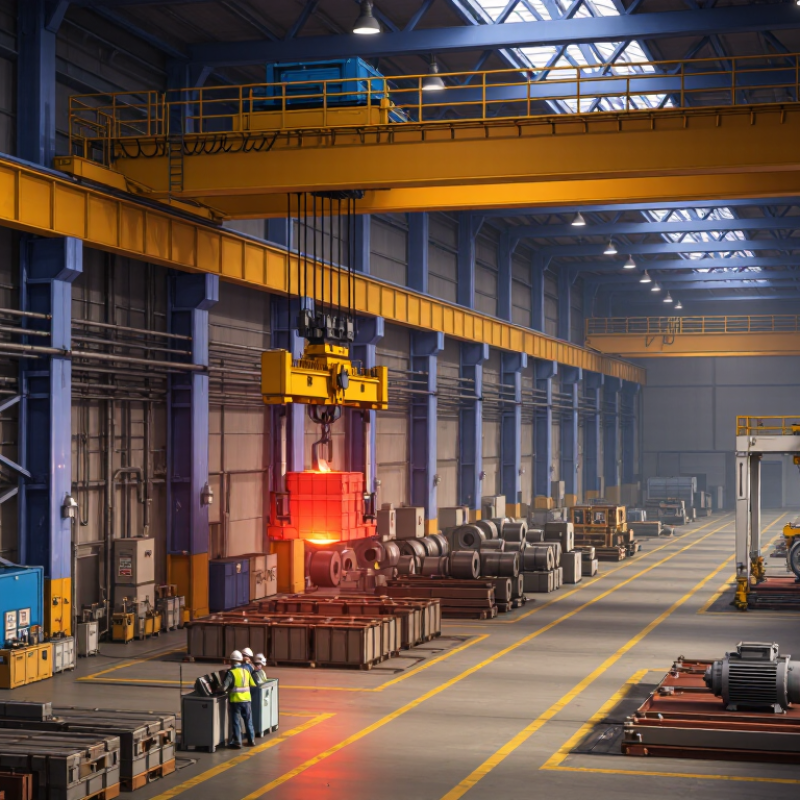
What Is an Overhead Crane and What Are Its Types? The answer begins with movement above the work floor. Overhead Cranes lift, travel, and position heavy loads using elevated runways, bridges, hoists, and end trucks. In a steel plant, a bridge crane may carry a glowing billet across the bay. In a warehouse, a lighter system can place a motor precisely on a service bench.

Market estimates show why this equipment matters. Grand View Research valued the global overhead cranes market at about USD 4.1 billion in 2023. Its report projects continued growth through 2030, supported by manufacturing, construction, ports, and maintenance operations. Fortune Business Insights also forecasts expansion, although its figures differ because researchers define the market differently. That difference deserves attention. Market numbers are useful, but they do not measure every near miss, maintenance delay, or operator decision.

Crane safety specialist Mark Bridger offers a practical warning: “A crane is only as safe as its weakest link.” The statement reflects daily experience. A worn rope, overloaded hook, poor inspection, or unclear signal can compromise an otherwise powerful machine. This guide examines bridge, gantry, monorail, jib, and workstation cranes. It also explains their main components, applications, and operating limits. Standards such as ASME B30.2 and OSHA requirements provide essential reference points. However, paperwork alone cannot replace competent training and site-specific risk assessment. The best choice is not always the largest crane. It is the system that matches the load, span, duty cycle, environment, and people using it.
What Is an Overhead Crane and What Are Its Types?

Definition and Purpose of an Overhead Crane

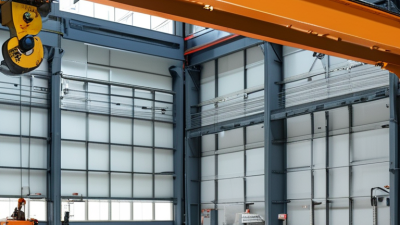
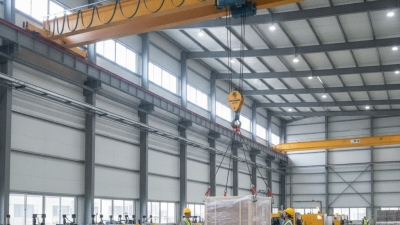
An overhead crane is a lifting system that moves a suspended load across a work area using a bridge, trolley, and hoist. The bridge travels along elevated runway beams, while the trolley positions the hook above the load. This arrangement keeps heavy materials off the floor and helps crews move steel coils, machine parts, or boxed goods through busy buildings.

Its purpose is controlled, repeatable lifting—not simply moving the heaviest possible load. In a fabrication shop, for example, an operator can lift a plate from a storage bay and place it beside a cutting line without using floor space for a mobile machine. Grand View Research’s 2024 market analysis estimated the global overhead crane market at about US$4.7 billion in 2023, reflecting broad industrial demand. Market size does not prove that a crane suits every site, though. Building structure, load shape, travel distance, and operator visibility all affect the choice.

Tips: Check the marked capacity and inspect the hook, sling, and travel path before lifting. Keep the load low enough to limit swinging. A small blind spot can matter more than expected. Plan the route before the load leaves the floor.
Main Components and How They Work

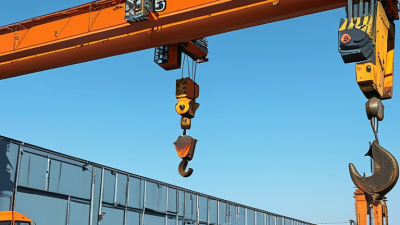
An overhead crane moves loads across a factory bay on a bridge that travels along elevated runway rails. End trucks carry the bridge, while a trolley moves across it. The hoist raises or lowers the load using wire rope or chain; the hook and sling connect it securely. Simple layout. Yet every lift depends on coordinated motors, brakes, and controls.

The operator positions the bridge and trolley, raises the hook, then moves the suspended load along its planned route. Limit switches can stop motion at set travel points, but they do not replace attentive operation. A detail that is easy to overlook is the load’s center of gravity; a slightly uneven lift can make a heavy object swing. The U.S. Bureau of Labor Statistics recorded 5,283 fatal work injuries across all workplaces in 2023. This figure is not crane-specific, but its Census of Fatal Occupational Injuries is a useful reminder that lifting hazards deserve careful control. ASME B30.2 provides technical requirements for covered overhead and gantry cranes.

Tips: Check the capacity marking before lifting, keep the hook centered over the load, and test controls and brakes before use. Watch the sling angle and nearby obstructions. I still find the path planning easy to underestimate; a clear route matters as much as the lift itself.

What Is an Overhead Crane and What Are Its Types? - Main Components and How They Work

Common Overhead Crane Types

Crane Type Supporting Structure Main Components How It Moves and Lifts Typical Applications
Top-Running Bridge Crane A bridge travels on runway rails supported by building columns or a separate runway structure. Bridge girders, end trucks, runway rails, trolley, hoist, and controls. The bridge travels along the runway; the trolley moves across the bridge; the hoist raises or lowers the load. Manufacturing plants, warehouses, and heavy-duty material handling areas.
Under-Running Bridge Crane The bridge runs on the lower flange of runway beams suspended from the building structure. Bridge, end trucks, suspended runway beams, trolley, hoist, and controls. The bridge travels beneath its runway beams, while the trolley crosses the bridge and the hoist lifts or lowers the load. Facilities where the building structure can support a suspended runway and headroom or floor space is limited.
Single-Girder Bridge Crane One main bridge girder spans between two end trucks on the runway. Single girder, end trucks, trolley-mounted hoist, runway, and controls. The bridge moves along the runway, and the hoist trolley travels across the single girder. Light- to medium-duty lifting in workshops and production areas, subject to the system's rated capacity and design.
Double-Girder Bridge Crane Two main bridge girders span between end trucks. Two girders, end trucks, trolley or top-running trolley, hoist, runway, and controls. The bridge travels along the runway; the trolley runs on or between the girders to position the hoist over the load. Heavier-duty lifting or applications requiring greater lift height or a wider span, as determined by the design.
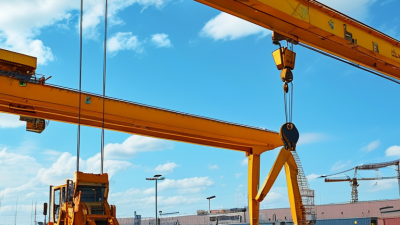
Gantry Crane A bridge is supported by legs that travel on rails or wheels at floor level, rather than by a building runway. Bridge, legs, end trucks or wheel assemblies, trolley, hoist, and controls. The gantry travels along the ground-level path; the trolley crosses the bridge and the hoist raises or lowers the load. Outdoor yards, construction areas, and locations without a suitable overhead building runway.
Monorail Crane A trolley travels along a single fixed beam or track, which may be suspended from the building. Monorail beam or track, trolley, hoist, supports, and controls. The trolley and hoist travel along one fixed path; the hoist raises or lowers the load. Repetitive lifting along a defined route, such as an assembly line or a sequence of workstations.

Terminology note: “Overhead crane” commonly describes cranes that move loads above the floor. Gantry cranes are a related bridge-crane configuration, but their bridge is supported by legs that travel at floor level.

Main Components and Their Functions

Component What It Does How It Works in the Crane System
Bridge or Main Girder Spans the working area and supports the trolley or hoist. Moves along the runway to carry a suspended load to different positions across the crane's coverage area.
Runway and Rails Provide the travel path and supporting surface for a bridge crane. Rails guide the crane's end trucks along the runway. Gantry cranes instead travel on their ground-level rails or wheel paths.
End Trucks Connect to the ends of the bridge and carry its travel wheels. Wheels roll along the runway rails as the bridge travels lengthwise through the work area.
Trolley Carries the hoist across the bridge or along a monorail. Moves sideways relative to the bridge, positioning the hoist over the load.
Hoist Raises and lowers the load. A motor drives a lifting mechanism that winds or pays out wire rope or chain. The rope or chain supports a hook or other lifting attachment.
Hook or Load Attachment Connects the load to the hoist. The hook or suitable attachment engages the load so it can be lifted and moved. The attachment must be appropriate for the load and lifting method.
Drive Motors and Brakes Provide powered travel and help control or stop motion. Drive motors move the bridge, trolley, or hoist. Brakes help hold or stop the relevant motion when the drive is not moving it.
Controls Allow an operator to command crane movements. Depending on the crane, controls may be pendant-operated, radio-operated, or located in an operator cabin. They command hoisting and travel functions.

How Overhead Cranes Move and Lift Loads

An overhead crane moves a load across a work area using a bridge that travels along elevated runway rails. A trolley rolls across the bridge, positioning the hoist above the load. The hoist raises or lowers it with a chain or wire rope. These coordinated movements allow materials to travel horizontally and vertically without occupying floor space.

Movement looks simple from below. It is not. The operator must check the load’s weight, balance, and attachment points before lifting. Slings should sit securely, with no twists or sharp edges pressing against them. A slow test lift can reveal a shifting load before it travels farther. Sudden starts and stops may cause dangerous swinging, so smooth control matters.

Different crane designs suit different spaces. Bridge cranes run on fixed rails inside buildings; gantry cranes use legs and may travel on floor-level tracks. Jib cranes rotate around a mounted arm for more localized lifting. Each type relies on properly rated components, functioning brakes, and regular inspection. Even a familiar setup deserves attention: worn rope or an uneven lift can be easy to miss from the operator’s position.

What Is an Overhead Crane and What Are Its Types?

Overhead cranes move loads through a workspace using a hoist and one or more travel mechanisms. This chart compares the typical number of distinct movement axes for common crane types.

How to read it: A typical bridge or gantry crane can lift, move its trolley across the bridge, and travel along the runway. Jib and monorail cranes commonly provide two movement axes, though configurations vary.

Common Types of Overhead Cranes

Overhead cranes move loads across a work area using elevated runways. Common types differ in bridge design, lifting capacity, and travel path. A single-girder crane has one main bridge beam and often suits lighter or moderate lifting needs. A double-girder crane uses two beams and can provide greater capacity or lifting height. More steel does not automatically mean a better fit.

Top-running cranes travel on rails mounted above runway beams, while under-running cranes hang from the runway structure. The building must support the loads in either arrangement. A monorail crane follows one fixed route, such as a line between assembly stations, rather than covering a broad rectangular area. Gantry cranes use legs that travel on floor-level rails or wheels, making them useful where a building runway is unavailable. Categories can blur in equipment descriptions, so check the actual travel path.

For a small maintenance bay, a compact workstation crane may move a motor between benches without covering the whole shop. Selection depends on load weight, span, lift height, duty cycle, and available headroom. Measure the real workspace, not just the floor plan. The right choice is not always obvious. A site assessment can reveal beam limits or obstructions that drawings miss.

Choosing an Overhead Crane for the Job

Choosing an Overhead Crane for the Job

Choosing an overhead crane starts with the load, not the building. Record the maximum weight, load shape, lifting frequency, and required speed. A crane rated for 10 tons may not suit a 10-ton load with sudden impact. Allowance matters. Measure the building span, runway length, hook height, and available headroom. Low-clearance spaces may require a top-running or under-running design.

A single-girder crane often suits moderate loads and lighter production cycles. A double-girder crane provides greater capacity, lifting height, and rigidity for demanding work. Monorail cranes can follow a fixed route, while workstation cranes offer controlled handling around individual stations. Outdoor applications may need a gantry arrangement, weather protection, and stronger corrosion controls. The right type depends on movement patterns, not just lifting capacity.

Duty classification deserves careful attention. Frequent starts, hot materials, dust, moisture, or corrosive vapors can change the specification. Check the power supply, control method, emergency access, and maintenance clearance before ordering. A qualified lifting engineer should verify structural loads and installation conditions. Site measurements are often imperfect. Recheck them.

Do not ignore operator visibility. A slower crane with clear controls may be safer and more productive than a faster model. Ask how the crane will be inspected, lubricated, and repaired after installation. Spare components and trained technicians can affect long-term reliability. A low purchase price may become expensive when downtime begins.