Top Double Girder Overhead Crane Types for Global Buyers
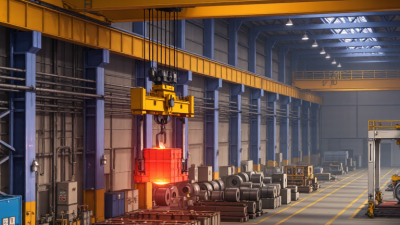
Choosing the right Double Girder Overhead Crane can shape an entire material-handling operation. In a busy steel mill, the crane may lift hot billets, move coils, and serve several bays each hour. In a warehouse, it may handle machinery with slower, more precise movements. These different demands explain why one crane type rarely suits every buyer.
This guide examines leading crane types for global purchasing teams. It considers top-running and underslung designs, standard and European-style configurations, and cranes customized for heavy-duty production. Each option has practical strengths. Top-running cranes often provide excellent lifting capacity and long travel distances. Underslung models can save building space when roof structures permit their use. Control systems, hoist speed, span, duty class, and maintenance access also deserve close attention.
Small details matter.
A reliable evaluation should begin with the actual load, lifting frequency, runway condition, and available headroom. Buyers should compare technical drawings, motor specifications, braking systems, and service support before requesting final prices. Local engineering requirements may also affect design approval, installation, inspection, and operator training. Experienced manufacturers can provide load calculations and reference projects, but their claims still need verification.
No selection guide is flawless. Site conditions are often measured too late, and projected workloads may change after installation. That weakness deserves honest discussion. The most suitable crane balances capacity, safety, lifecycle cost, and future flexibility. With careful technical review, global buyers can avoid oversized equipment, reduce downtime, and choose a Double Girder Overhead Crane that performs reliably for years.

Double Girder Overhead Crane Fundamentals and Main Components
Double Girder Overhead Crane Fundamentals and Main Components
Double girder overhead cranes use two parallel bridge girders to support a trolley and hoist. This layout increases lifting height and improves load stability. The bridge travels along runway rails, while end trucks transfer wheel loads to the building structure. A 2024 analysis by Grand View Research identifies industrial manufacturing, warehouses, and power facilities as major overhead crane applications worldwide. Demand is closely linked to heavier production lines and stricter material-handling requirements.
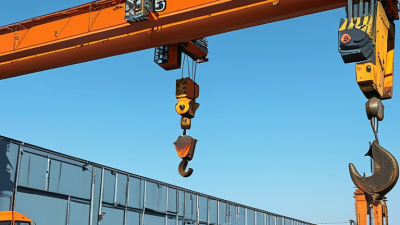
The main components are the bridge girders, end trucks, wheels, trolley, hoist, runway, electrical controls, and safety devices. The hoist contains the motor, gearbox, drum, wire rope, and hook block. Limit switches stop overtravel, but they cannot replace operator judgment. It is a small detail with serious consequences.
ISO 4301-1 classifies cranes by utilization and load spectrum, helping engineers select suitable duty ratings. A crane lifting 20 tonnes occasionally needs different planning from one handling 20 tonnes every few minutes.
The World Steel Association reported global crude steel production at about 1.89 billion tonnes in 2023, showing the scale of industries that depend on heavy lifting equipment.
In practical inspections, unusual wheel noise, rope flattening, and uneven braking often reveal problems early. The U.S. Bureau of Labor Statistics also continues to record transportation and material-moving occupations among high-risk work groups.
Engineers should verify runway alignment, foundation capacity, duty class, and local electrical requirements before purchasing. Some specifications look impressive on paper. They may still fail the actual workflow.
Top-Riding and Under-Slung Double Girder Crane Configurations
Top Double Girder Overhead Crane Types for Global Buyers
Top-Riding and Under-Slung Double Girder Crane Configurations
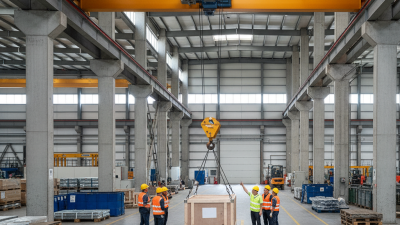
Top-riding double girder cranes travel on rails installed above the runway beams. They suit factories needing high lifting capacity, long spans, and substantial hook height. Their structure supports heavy loads, such as steel coils, molds, and machinery. In practical installations, buyers should check runway alignment, building columns, wheel loads, and available headroom. A poorly measured building can make an excellent crane difficult to use.
Under-slung double girder cranes run beneath the runway beams. This configuration can preserve valuable floor space and work well in buildings with limited supporting columns. It may also improve coverage between adjacent bays. However, the existing roof structure must safely carry dynamic loads. Load charts, deflection limits, duty class, and emergency stopping distances deserve careful review. The lowest hook position matters more than many buyers expect.
Tips: Compare both layouts using a real facility drawing, not a basic floor plan. Confirm voltage, control method, lifting speed, ambient temperature, and maintenance access. Ask for test certificates and inspection records that match applicable local standards. Experienced engineers should review the runway and supporting structure before ordering. Some early assumptions may prove wrong.
During operation, trained staff should observe unusual vibration, brake noise, rope wear, and uneven travel. Regular inspections reduce avoidable downtime. Still, no configuration is universally best; the right choice depends on load behavior, building geometry, production rhythm, and future expansion plans.
Heavy-Duty Double Girder Crane Types for Different Industries
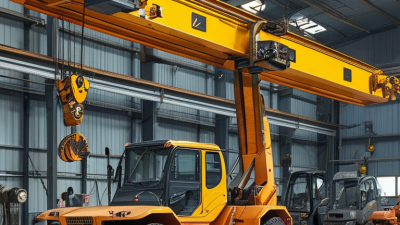
Heavy-duty double girder overhead cranes serve demanding workplaces where loads, travel distances, and operating hours exceed light-duty equipment. Top-running box girder cranes suit steel mills, machinery plants, and large warehouses. Their parallel girders support high capacities and longer spans. They also provide stable hook movement across busy production areas.
For container yards and fabrication halls, double girder gantry-style cranes can extend coverage beyond fixed building columns. Foundries often require heat-resistant components, enclosed controls, and carefully selected lifting speeds. Power facilities may need low-sparking accessories and precise positioning. In dusty cement plants, sealed electrical enclosures and protected festoon systems reduce maintenance exposure. A site survey should record load weight, span, lift height, temperature, dust, and daily cycles.
Capacity alone does not define the right crane. A 50-ton crane may be unsuitable if its duty rating ignores frequent starts, uneven loads, or long travel paths. I have seen projects focus on maximum weight while overlooking headroom and runway alignment. That mistake can reduce usable lifting height. Engineers should compare top-running and underslung arrangements, review structural calculations, and confirm compliance with applicable local safety standards. Emergency stops, overload protection, limit switches, and documented inspections remain essential. Small details matter. A poor pendant position can slow operators and create avoidable blind spots. Regular brake checks and wheel inspections also reveal problems before production stops.
Top Double Girder Overhead Crane Types for Global Buyers - Heavy-Duty Double Girder Crane Types for Different Industries
| Crane Type |
Typical Capacity |
Typical Span |
Typical Lift Height |
Recommended Duty Class |
Common Industries |
Main Advantages |
| Standard Top-Running Double Girder Crane |
10–100 t |
10–35 m |
6–30 m |
M4–M7 / CMAA Class C–F |
Manufacturing, steel processing, machinery plants, warehouses |
High load capacity, stable operation, good suitability for demanding production environments |
| Heavy-Duty Foundry Double Girder Crane |
20–320 t |
15–40 m |
8–35 m |
M6–M8 / CMAA Class E–F |
Steel mills, foundries, metal casting, forging plants |
Designed for high temperatures, frequent lifting cycles and severe working conditions |
| Double Girder Grab Crane |
5–50 t |
10–30 m |
6–25 m |
M5–M7 / CMAA Class D–F |
Waste-to-energy plants, bulk material yards, ports, mining |
Efficient handling of coal, scrap, aggregates, waste and other loose materials |
| Double Girder Magnet Crane |
5–50 t |
10–35 m |
6–25 m |
M5–M7 / CMAA Class D–F |
Steel stockyards, metal recycling, fabrication workshops |
Fast loading and unloading of ferrous materials using electromagnetic lifting equipment |
| Double Girder Container Handling Crane |
30–50 t |
20–35 m |
8–18 m |
M5–M7 / CMAA Class D–F |
Container terminals, intermodal yards, logistics centers |
Suitable for spreader beams, precise positioning and repetitive container movement |
| Double Girder Explosion-Protected Crane |
5–50 t |
10–30 m |
6–20 m |
M3–M6 / CMAA Class C–E |
Chemical plants, oil and gas facilities, paint and flammable-material areas |
Configured with protected electrical components for designated hazardous environments |
| Double Girder Low-Headroom Crane |
5–80 t |
10–30 m |
4–25 m |
M4–M6 / CMAA Class C–E |
Existing factories, low-clearance workshops, equipment assembly |
Maximizes usable lifting height where building headroom is limited |
| Double Girder Outdoor Gantry-Style Crane |
10–200 t |
15–40 m |
6–20 m |
M4–M7 / CMAA Class C–F |
Shipyards, precast concrete yards, construction sites, outdoor storage |
Provides heavy lifting coverage where an indoor runway structure is unavailable |
Note: Capacity, span, lift height and duty class are typical engineering ranges. Final crane specifications should be selected according to load characteristics, operating cycles, runway conditions, ambient environment and applicable local safety standards.
Key Selection Criteria for Global Buyers
Top Double Girder Overhead Crane Types for Global Buyers
Key Selection Criteria for Global Buyers
Double girder overhead cranes suit demanding lifting tasks, long spans, and higher capacities. Standard models work well in factories with predictable production cycles. Low-headroom designs help when roof clearance is limited. Heavy-duty configurations support frequent lifting in steel, machinery, and logistics facilities. The correct type depends on actual site conditions, not catalog appearance.
Start with load capacity, lifting height, span, and duty cycle. A crane rated for 20 tons may not suit repeated loads near its limit. Measure runway beams, aisle width, hook approach, and available headroom. Check local voltage and frequency before approving the electrical system. Outdoor installations need weather protection, corrosion control, and reliable limit devices. Indoor cranes still require careful attention to dust, heat, and humidity.
Ask for verified load charts, inspection records, material certificates, and clear maintenance instructions. Independent testing can confirm brake performance, deflection, emergency stops, and travel accuracy. Safety compliance should match the installation country and operating environment. Spare parts availability matters more than many buyers expect. A delayed wheel or brake component can stop production for days. Price deserves scrutiny. A cheaper crane may carry higher costs through downtime, difficult servicing, or poor documentation. I have seen selection decisions focus too heavily on capacity alone. That approach seems efficient, but it often overlooks the building and the people using the equipment. Safety training, operator visibility, and practical access for maintenance deserve equal attention.
Top Double Girder Overhead Crane Types for Global Buyers
Key selection criteria include rated capacity, runway configuration, operating duty, lifting environment, available headroom, and compliance with the destination market’s safety standards.
The chart shows indicative rated-capacity ranges commonly specified for different double-girder overhead crane configurations. Actual capacity depends on span, lift height, load spectrum, duty classification, building structure, temperature, hazardous-area requirements, and local regulations. These figures are engineering reference ranges rather than market-share data.
Safety Standards, Customization, Installation, and Maintenance Considerations
Top double girder overhead cranes usually include top-running, underslung, and process-duty designs. Top-running cranes suit factories with strong runway beams and wide spans. Underslung models work beneath existing structures where headroom is limited. Process-duty cranes handle frequent lifting, hot environments, or precise positioning. The correct choice depends on load cycles, span, lifting height, and site conditions.
Safety must guide every specification. Buyers should verify compliance with applicable national standards, electrical rules, and workplace requirements. Essential features include overload protection, emergency stops, upper limit switches, brakes, and visible load markings. A catalogue rating is not enough. Engineers should review wind, seismic activity, temperature, dust, and power quality. Independent load testing and documented commissioning improve reliability. Small documentation gaps can create large risks.
Customization may involve grab attachments, variable-speed drives, radio controls, corrosion protection, or special hook heights. Installation requires accurate runway alignment, certified lifting equipment, and qualified technicians. The first test should use controlled loads, not production pressure. Maintenance teams should inspect wire ropes, hooks, wheels, brakes, rails, and limit switches at defined intervals. Lubrication records matter. So do unusual noises. A monthly checklist helps, but it cannot replace a skilled inspection. In practice, some buyers underestimate access for future repairs, making routine maintenance unnecessarily dangerous.